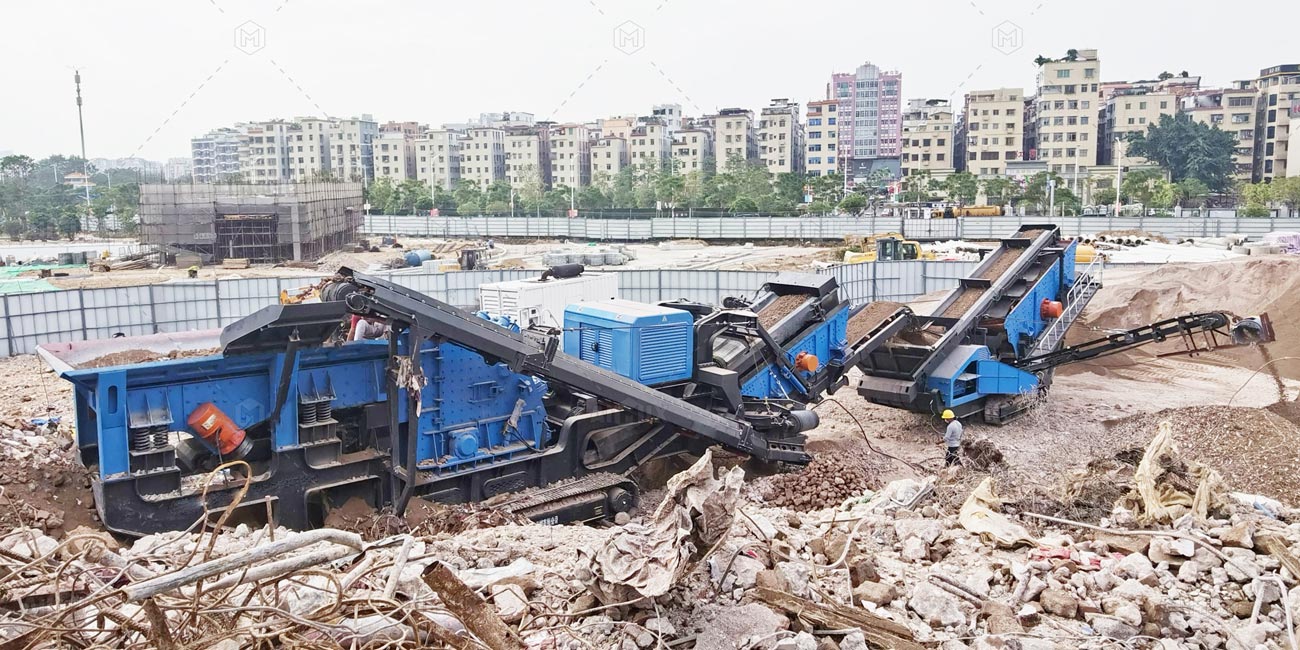
Concrete crusher machines are essential equipment in construction, demolition, and recycling projects. They break down large concrete debris into smaller, manageable pieces, enabling reuse or easier disposal. However, like any heavy machinery, concrete crushers can experience operational problems that impact productivity and safety. Timely troubleshooting and maintenance are key to minimizing downtime and repair costs.
This article covers the most common issues encountered with concrete crusher machine and provides practical solutions to help operators and maintenance teams keep their equipment running efficiently.
1. Crusher Won’t Start
Possible Causes:
-
Electrical power supply issues (no power or unstable voltage)
-
Faulty start switches or control panel problems
-
Blown fuses or tripped circuit breakers
-
Safety interlocks or emergency stops activated
Troubleshooting Steps:
-
Verify power supply and ensure the machine is properly connected.
-
Inspect electrical components including switches, fuses, and circuit breakers. Replace or reset as necessary.
-
Check that all safety devices are disengaged and emergency stops are reset.
-
Consult the machine’s manual for control panel error codes and follow recommended actions.
2. Jaw Crusher Not Crushing Properly
Possible Causes:
-
Worn or damaged jaw plates
-
Incorrect jaw gap or setting
-
Overfeeding or underfeeding material
-
Foreign objects like metal or oversized debris causing jams
Troubleshooting Steps:
-
Inspect jaw plates regularly and replace if excessively worn or cracked.
-
Adjust the jaw gap according to manufacturer specifications to ensure optimal crushing size.
-
Control feed rate and size to match crusher capacity; avoid overloading.
-
Use metal detectors or manual inspection to prevent uncrushable objects from entering the crusher.
3. Excessive Vibration and Noise
Possible Causes:
-
Loose bolts or structural components
-
Imbalanced or worn flywheels and eccentric shafts
-
Faulty bearings or lubrication failure
-
Foreign objects stuck inside the crushing chamber
Troubleshooting Steps:
-
Tighten all bolts and check for structural damage or cracks.
-
Inspect flywheels, shafts, and bearings; replace worn parts promptly.
-
Maintain proper lubrication schedules and use recommended lubricants.
-
Clear the crushing chamber of any debris or foreign material.
4. Hydraulic System Failures
Possible Causes:
-
Low hydraulic fluid levels or contamination
-
Leaking hoses, fittings, or cylinders
-
Malfunctioning hydraulic pumps or valves
-
Blocked filters
Troubleshooting Steps:
-
Check hydraulic fluid levels and top up if necessary. Replace fluid if contaminated.
-
Inspect hoses and fittings for leaks or damage; replace faulty parts.
-
Test hydraulic pumps and valves for correct operation.
-
Clean or replace hydraulic filters as part of routine maintenance.
5. Crusher Overheating
Possible Causes:
-
Overloading the crusher beyond its rated capacity
-
Insufficient lubrication of moving parts
-
Cooling system failure or blockage
-
High ambient temperatures without adequate ventilation
Troubleshooting Steps:
-
Avoid overfeeding and ensure crushing loads are within manufacturer guidelines.
-
Regularly check and maintain lubrication of bearings, shafts, and other moving parts.
-
Inspect cooling fans, radiators, and airflow pathways for blockages or damage.
-
Provide additional ventilation or cooling if operating in hot environments.
6. Material Blockages and Jams
Possible Causes:
-
Feeding oversized or wet sticky materials
-
Irregular feed rate causing uneven material flow
-
Damaged or worn crushing chamber liners
Troubleshooting Steps:
-
Screen material before feeding to remove oversized debris.
-
Maintain consistent feed rates and avoid sudden surges.
-
Replace worn liners to ensure smooth material flow and prevent clogging.
-
If blockage occurs, stop the machine and clear jams safely before restarting.
7. Poor Output Quality
Possible Causes:
-
Incorrect crusher setting or jaw plate alignment
-
Uneven material feeding or poor feed distribution
-
Worn crushing components reducing crushing efficiency
Troubleshooting Steps:
-
Adjust crusher settings to achieve desired output size and shape.
-
Ensure even material distribution in the feed hopper or conveyor.
-
Regularly inspect and replace worn parts such as jaw plates, cheek plates, and liners.
8. Electrical and Control System Errors
Possible Causes:
-
Faulty wiring or connections
-
Sensor failures or communication errors in automated systems
-
Software glitches or outdated firmware
Troubleshooting Steps:
-
Inspect all wiring for signs of wear, corrosion, or disconnections.
-
Test sensors and replace malfunctioning units.
-
Update software or firmware as recommended by the manufacturer.
-
Consult technical support for complex control system diagnostics.
Preventive Measures to Minimize Issues
Regular maintenance and operational best practices significantly reduce the frequency of problems in concrete crusher equipment:
-
Scheduled Maintenance: Follow manufacturer-recommended maintenance intervals for lubrication, inspections, and part replacements.
-
Operator Training: Ensure operators understand correct feeding procedures, machine controls, and emergency protocols.
-
Routine Inspections: Conduct daily visual checks for leaks, wear, unusual noises, or vibrations.
-
Proper Feeding: Avoid overloading and feed materials within specified size and moisture ranges.
-
Use Genuine Parts: Replace worn or damaged components with manufacturer-approved parts to maintain machine integrity.

Conclusion
Troubleshooting common issues in concrete crusher machines requires a systematic approach to identify root causes and implement effective solutions. Understanding potential problems—ranging from electrical faults and hydraulic failures to material jams and wear—empowers operators and maintenance teams to maintain productivity and ensure safety.
By combining timely repairs, preventive maintenance, and skilled operation, businesses can extend the lifespan of their concrete crusher machines, reduce downtime, and optimize crushing performance. Staying proactive and addressing issues early is key to successful, cost-effective crushing operations.