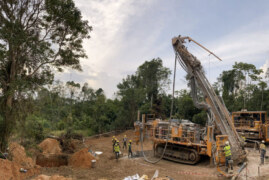
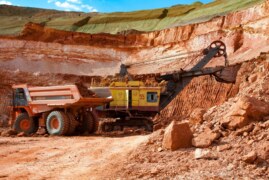
In the mining and aggregates industry, equipment compatibility is a crucial topic—especially when it comes to wear parts. Crusher wear parts, including jaw plates, liners, hammers, and cones, play a central role in the performance and productivity of any stone crusher plant. But as operators look to optimize costs and reduce downtime, one question arises frequently: Are universal crusher wear parts compatible with different crusher brands?
The idea of using interchangeable parts across multiple machines sounds appealing in terms of flexibility, inventory management, and cost-effectiveness. However, the real-world application of universal wear parts is far more nuanced. This article explores the possibilities, limitations, and considerations when it comes to cross-brand compatibility of crusher wear components.
Understanding What “Universal” Means in Wear Parts
The term “universal” can be misleading. In most cases, so-called universal wear parts are designed to fit a broader range of models or machines from similar manufacturers—but not necessarily every brand. Universal wear parts are typically produced by third-party manufacturers rather than original equipment manufacturers (OEMs). They aim to replicate the dimensions, material composition, and performance characteristics of branded parts at a lower price point.
For example, a jaw plate labeled as “universal” may fit several jaw crushers that follow a common design pattern. However, even slight differences in dimensions, hole placement, or alloy hardness can affect installation, wear behavior, and performance.
So while some parts may be advertised as universal, true compatibility must be assessed on a case-by-case basis.

Brand-Specific Designs and Engineering Standards
Proprietary Designs Limit Interchangeability
Many crusher brands use proprietary designs for their machines, meaning the internal geometry, mounting configurations, and part tolerances are unique. This ensures optimal fit and performance, but it also restricts the ability to use third-party or universal wear parts. Even small variations in part size or shape can lead to improper installation or accelerated wear.
In a stone crusher plant where productivity and uptime are essential, using incompatible parts—even if they appear to fit—can result in uneven wear patterns, reduced throughput, and potential damage to the machine.
Engineering Tolerances Matter
Wear parts must operate under extreme pressure and high-impact conditions. Even if a universal wear part fits into the machine, it might not be engineered to handle the specific operating forces or stresses required by that brand’s crusher design. This is particularly true in cone crushers and impact crushers, where wear parts are subject to constant movement and friction.
OEM parts are tested for durability and performance in specific machines. Universal parts may not go through the same rigorous compatibility testing, which could compromise the reliability of your equipment.
Advantages and Risks of Using Universal Wear Parts
Potential Benefits
There are certain advantages to using third-party or universal wear parts if compatibility is assured:
-
Cost Savings: Aftermarket parts can be significantly cheaper than OEM components.
-
Faster Availability: Local or regional suppliers may stock universal wear parts, reducing lead time.
-
Inventory Simplification: Operators running a mixed fleet of crushers may benefit from having fewer unique parts to stock.
In some cases, especially for older machines where OEM parts are no longer available, universal wear parts offer a practical solution to keep the equipment running.
Potential Drawbacks
However, the risks of using incompatible parts cannot be ignored:
-
Poor Fit and Seal: Ill-fitting parts can cause material leakage, inefficiency, and mechanical stress.
-
Reduced Wear Life: Even minor deviations in material composition or hardness can cause parts to wear out faster.
-
Warranty Issues: Using non-OEM parts may void equipment warranties or service agreements.
-
Operational Risks: Premature wear or failure can lead to costly downtime and repairs.
In high-capacity stone crusher plant operations, these risks can quickly outweigh the upfront cost savings.

Best Practices for Ensuring Compatibility
Work With Trusted Suppliers
If you are considering using universal wear parts, choose a supplier with a solid reputation in the aggregates and mining industry. Reliable aftermarket manufacturers often reverse-engineer OEM components and use high-grade materials to ensure compatibility and durability.
Confirm Specifications and Fitment
Before installing any non-OEM part, verify its dimensions, tolerances, and material properties against the manufacturer’s original specifications. Some reputable suppliers offer compatibility charts that indicate which brands and models their parts are designed to fit.
Perform Trial Runs
If you’re introducing a universal part to your system, consider running a limited test to evaluate wear patterns, fit, and performance. This approach allows you to identify potential issues early without putting your entire operation at risk.
Maintain OEM Standards Where Critical
For high-wear or high-impact applications—such as primary crushing or extreme environments—it’s often safer to stick with OEM wear parts to ensure optimal performance and longevity.
Conclusion
While universal crusher wear parts may offer cost and convenience advantages, their compatibility with different brands is not guaranteed. Many factors—such as proprietary design, material quality, and engineering tolerances—impact the success of cross-brand part usage. For operators managing a stone crusher plant(planta de trituracion de piedra), careful evaluation of wear part compatibility is essential to avoid costly downtime, equipment damage, or reduced efficiency.
In summary, universal wear parts can work across brands in certain scenarios, but they should be chosen carefully, validated thoroughly, and applied strategically. When in doubt, consulting with experienced suppliers or equipment engineers can help you make the right choice for long-term productivity and machine health.