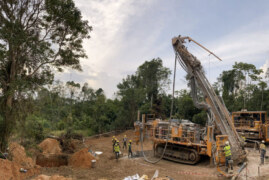
Every construction site, warehouse, or manufacturing floor tells two stories.
One is about progress structures rising, deadlines met, goals achieved.
The other, quieter story, is about risk machines that don’t forgive mistakes, heights that tempt fate, and the human instinct to cut corners when time runs thin.
The difference between the two stories lies in one simple thing: how seriously a workplace treats safety.
Worksite safety isn’t just a legal checkbox. It’s a reflection of how much a company values its people, its reputation, and its future. The best-run projects today are the ones where safety isn’t imposed from above it’s practiced naturally, as a reflex.
The Human Factor: Why Safety Begins with Behaviour
Most workplace incidents are not the result of random chance or faulty equipment they’re the result of predictable human behaviour.
Fatigue, distraction, pressure to meet deadlines, or even overconfidence can turn a normal day into an emergency.
The goal isn’t to blame, but to understand.
Organizations that build psychological safety where workers feel comfortable reporting near misses or hazards tend to have far fewer serious incidents. It’s not because the work is easier, but because the culture allows honesty without fear.
Simple behavioral shifts like pre-task pauses (“What can go wrong here?”) or team check-ins can drastically reduce risks.
Because in reality, it’s never just about safety rules; it’s about mindset.
From Paper to Practice: The Problem with Safety Manuals
Many sites boast thick safety manuals that sit untouched on office shelves.
They exist to “tick compliance boxes,” not to actually guide work.
But paper doesn’t protect people systems do.
A living safety system evolves with the site. It updates as new machinery arrives, as new subcontractors join, as the scope changes. Real safety programs are built around adaptability.
Instead of relying on binders, progressive organizations now use digital tools to record hazards, monitor compliance, and share safety observations in real time.
This not only streamlines reporting but also empowers teams to act faster before a small risk turns into a major event.
Even consulting and technology firms across Australia such as Impress Solutions, known for integrating digital insights into workplace safety systems have been exploring how analytics can help businesses detect weak spots early and strengthen their safety culture from within.
Common Safety Gaps That Go Unnoticed
Even with training and procedures in place, many sites overlook silent risks that hide in plain sight.
-
Complacency after long periods without incidents
-
The absence of accidents can create a false sense of security. Routine work feels “safe,” and vigilance drops.
-
Safety leaders should reinforce the idea that “nothing happening” doesn’t mean “nothing can happen.”
-
-
Unclear lines of accountability
-
When everyone assumes “someone else” is responsible for safety checks, those checks rarely happen.
-
Every role from laborer to supervisor must know what safety looks like in their specific tasks.
-
-
Subcontractor disconnect
-
Subcontractors often follow their own safety habits, which may not align with site protocols.
-
Clear onboarding, verification, and supervision prevent inconsistency.
-
-
Failure to adapt to change
-
Worksites evolve daily: weather shifts, equipment breaks, plans change.
-
A control that worked yesterday may fail today. Constant reassessment is the only solution.
-
-
Neglecting the emotional toll of unsafe environments
-
High-stress, unsafe conditions drain morale. Workers stop reporting issues because “it doesn’t matter.”
-
A culture that listens can reverse that spiral.
-
Technology’s Growing Role in Safety Management
Modern safety programs increasingly rely on digital intelligence software platforms that map risks, schedule inspections, or analyze trends from past incidents.
These tools can flag early warning signs that humans might miss:
-
repeated minor slips in the same location,
-
temperature or vibration data from machines,
-
inconsistencies between planned and actual site activities.
By layering analytics over safety observations, organizations get a clearer view of why incidents happen, not just where.
While no tool replaces human judgment, the right technology bridges the gap between scattered data and actionable insight. That’s why more Australian businesses have been integrating software-driven safety reviews, following models championed by consulting experts like Impress Solutions who emphasize that digital transformation must always serve the human element of safety, not replace it.
Leadership and Accountability: The Real Safety Benchmark
Safety culture starts with leadership but not the kind that hides behind checklists. True leadership is visible, engaged, and humble enough to listen.
When a site manager joins a prestart meeting, inspects PPE, or personally follows the permit system, it sends a powerful message: safety isn’t optional.
Equally important is accountability. Every supervisor should own their part of the safety system not just to enforce it, but to improve it.
One simple but powerful tool: “Safety ownership boards” where every team publicly lists what safety improvements they’ve made that week. It turns responsibility into a shared badge of pride.
Even consulting and technology firms across Australia such as ImpressSolutions, known for integrating digital insights into workplace safety systems have been exploring how analytics can help businesses detect weak spots early and strengthen their safety culture from within.
Learning from Incidents Without Assigning Blame
Every incident is a data point, but too often it becomes a punishment.
A “blame and forget” culture kills learning.
Instead, organizations should adopt root cause analysis frameworks like the “5 Whys” or “fishbone diagrams” to look beyond individual errors.
Was the worker fatigued? Was the training insufficient? Was there pressure to skip a step?
Turning incidents into insights is what separates reactive companies from proactive ones.
The goal isn’t perfection it’s progress.
Safety and Productivity: The False Trade-Off
There’s a long-standing myth in some industries: “If we focus too much on safety, productivity will suffer.”
In reality, the opposite is true.
A safe site runs more efficiently because:
-
workers trust their environment and stay focused,
-
equipment downtime from accidents decreases,
-
and rework caused by damaged materials or halted projects is minimized.
Safety is not the enemy of speed; it’s the foundation for sustainable pace.
Cutting corners might save an hour today but it can cost months tomorrow.
Building a Culture That Lasts
Lasting safety cultures share three key traits:
-
Consistency Safety habits are repeated until they become muscle memory.
-
Transparency Every worker knows where they stand and feels safe to speak up.
-
Learning Lessons are recorded, shared, and turned into better systems.
Some organizations hold monthly “Safety Story Sessions,” where teams share real incidents or close calls in an open, blame-free discussion. Hearing colleagues describe how a near miss affected them personally creates a deeper emotional connection than any rulebook ever could.
Because ultimately, safety isn’t about avoiding penalties it’s about ensuring everyone goes home in one piece.
Conclusion: Safety Is Everyone’s Daily Decision
Worksite safety isn’t a department or a document it’s a series of micro-decisions made by hundreds of people every day.
From wearing a harness properly to stopping a job when something feels wrong, every action counts.
Leaders can set policies, but only workers bring them to life.
By embracing behavioral awareness, technology, open communication, and continuous improvement, organizations can turn safety from a mandate into a natural instinct.
And as seen through the evolving practices of firms like Impress Solutions where technology meets human insight the next chapter of safety will be built on smarter systems, empowered people, and a culture where caring for one another isn’t policy it’s practice.