In Indonesia, river stone remains one of the most practical raw materials for concrete, asphalt, and infrastructure projects. From toll roads and ports to industrial parks and housing developments, contractors rely on stable aggregates every single day. However, as project scales grow, many contractors begin to ask the same question: what kind of 300 TPH stone crusher plant can handle river stone, produce high-quality sand, and deliver a consistent 0–5 mm output?
This question is not only about capacity. More importantly, it is about reliability, sand shape, operating cost, and long-term project continuity. Therefore, let’s look at this topic from the customer’s perspective and from the realities of the Indonesian construction industry.
Why River Stone Is Widely Used in Indonesia
Before discussing plant configuration, it helps to understand why river stone plays such a central role in Indonesia.
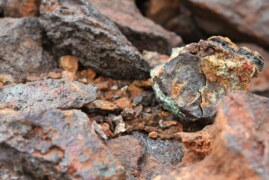
River stone is abundant in many regions such as Java, Sumatra, Kalimantan, and Sulawesi. Moreover, it has high hardness, good abrasion resistance, and stable chemical properties. These characteristics make it suitable for concrete aggregates and manufactured sand.
At the same time, river stone has a smooth surface. Because of this, crushing and shaping become critical steps. If the process is not well designed, the final sand may lack angularity or show poor gradation.
For this reason, contractors increasingly prefer crusher plants with VSI sand making machines. This naturally leads us to the core configuration of a 300 TPH solution.
Understanding the 300 TPH Production Requirement
When a customer asks for a 300 TPH stone crusher machine plant, the goal usually goes beyond peak output.
In most Indonesian projects, 300 TPH represents a balance. On one hand, it supports large-scale concrete batching plants and asphalt mixing plants. On the other hand, it keeps energy consumption and labor costs under control.
Therefore, a realistic design often targets stable production of around 250–300 TPH, rather than chasing a theoretical maximum. This approach ensures continuous operation even during rainy seasons or raw material fluctuations.
With this in mind, the plant design must focus on both capacity and flexibility.
Recommended Process Flow for River Stone Crushing
To achieve consistent 0–5 mm sand output, a well-structured process flow becomes essential.
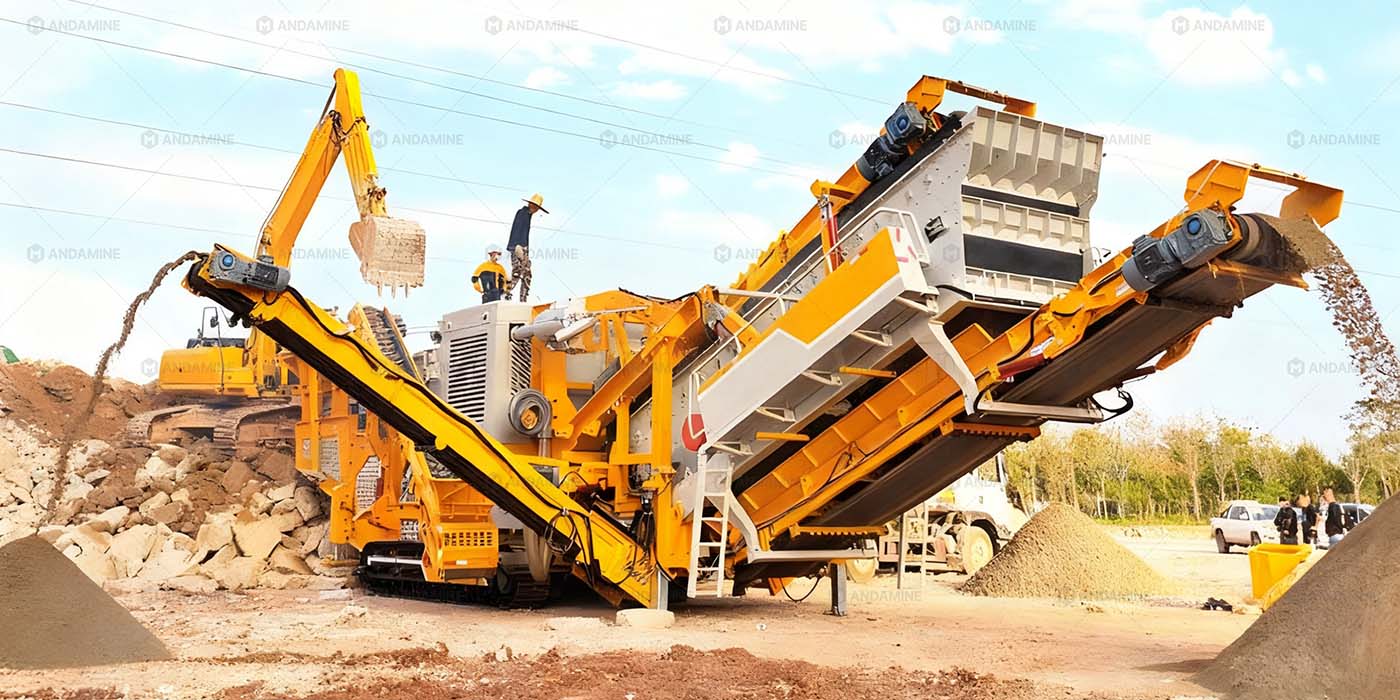
Primary Crushing: Jaw Crusher
The process usually starts with a jaw crusher. River stones often come in sizes up to 600–800 mm. A heavy-duty jaw crusher machine reduces them to a manageable range, typically below 200 mm.
This stage sets the foundation. A stable primary crusher reduces downstream pressure and improves overall efficiency.
Secondary Crushing: Cone Crusher
After primary crushing, the material moves to a cone crusher. At this stage, the goal is further size reduction and better particle shape.
Compared with impact crushers, cone crushers handle hard river stone more efficiently. They also deliver lower wear costs over long-term operation.
As a result, many Indonesian contractors prefer cone crushers for secondary crushing in 300 TPH plants.
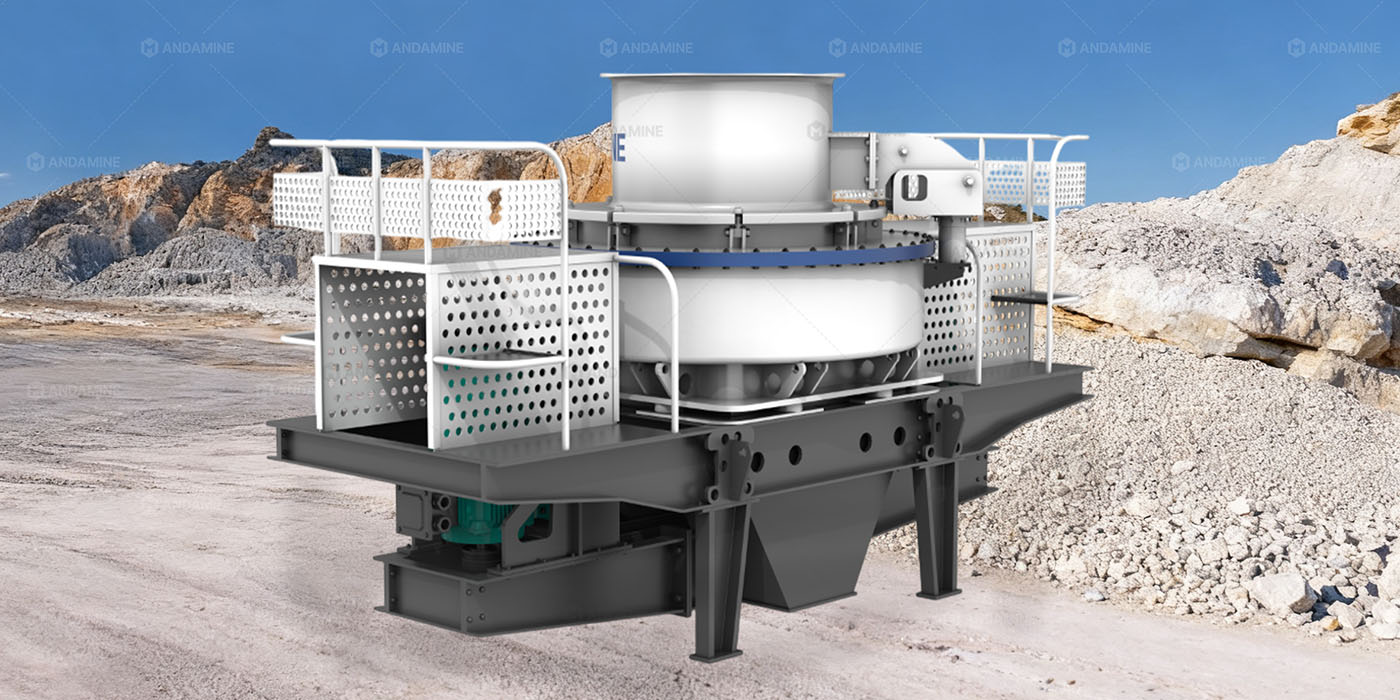
Sand Making: VSI Crusher
Next comes the most critical part: sand production.
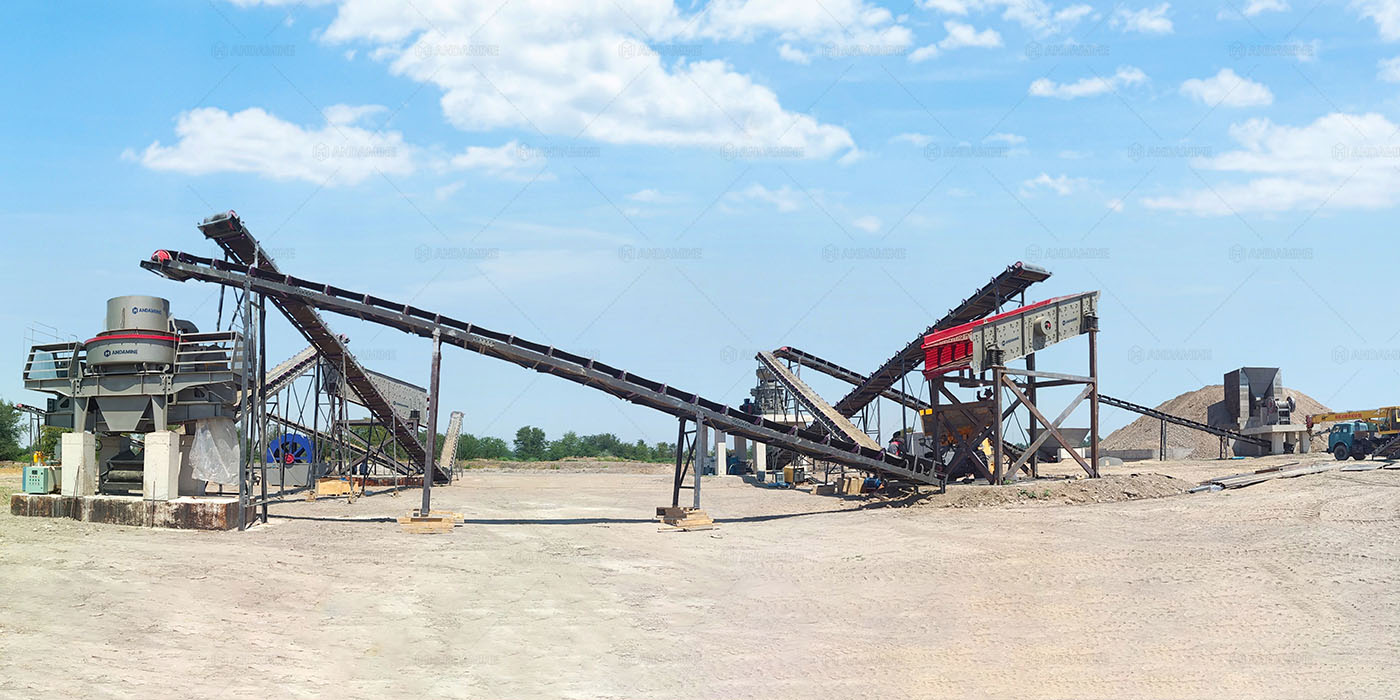
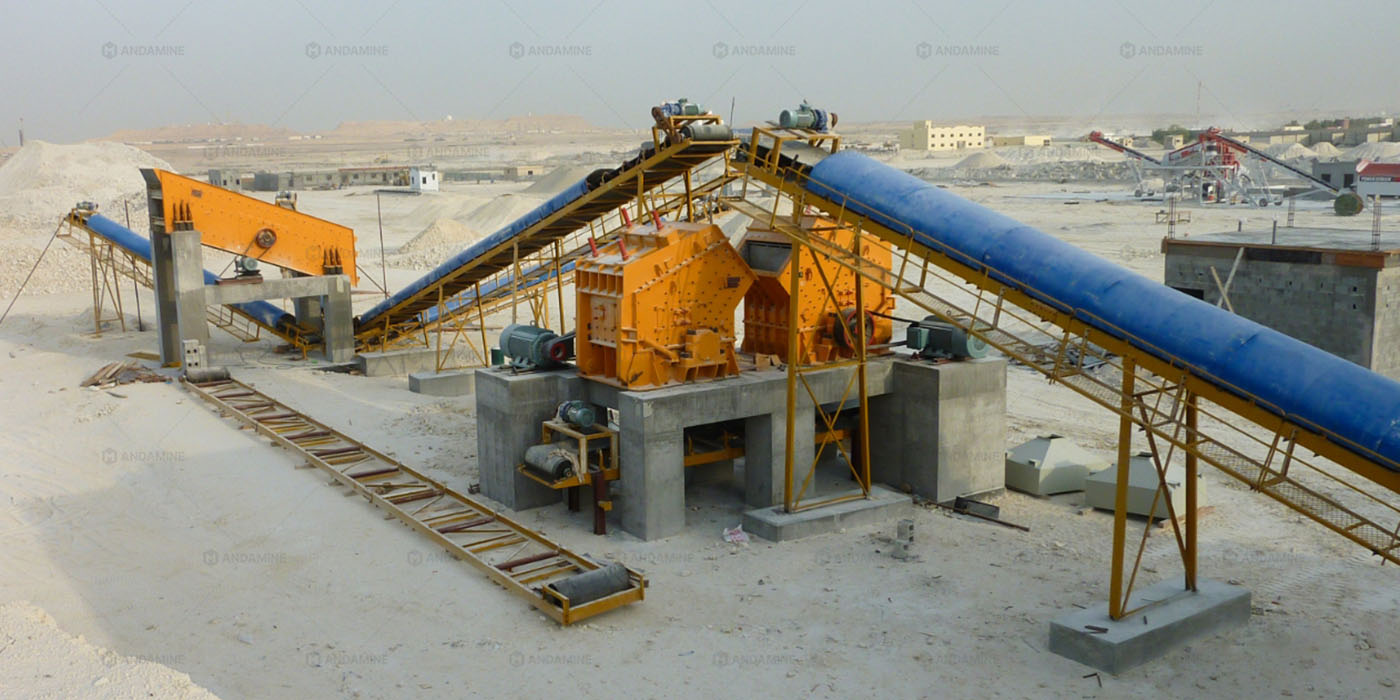
A VSI sand making machine uses high-speed rotor impact to shape aggregates. This process improves cubic shape and increases the proportion of fine particles.
More importantly, VSI crushers allow precise control of 0–5 mm output. This directly affects concrete workability and strength.
Because of these advantages, VSI sand maker crushers are almost mandatory for high-quality manufactured sand projects.
Screening and Sand Control for 0–5 mm Output
Crushing alone is not enough. Screening plays an equally important role.
After VSI crushing, multi-deck vibrating screens separate sand and coarse aggregates. Oversized material returns to the crusher, while qualified sand moves forward.
This closed-loop system improves yield and reduces waste. At the same time, it ensures stable gradation for concrete and asphalt applications.
In Indonesia, where project specifications often vary, adjustable screens provide valuable flexibility.
Key Equipment Configuration for a 300 TPH Plant
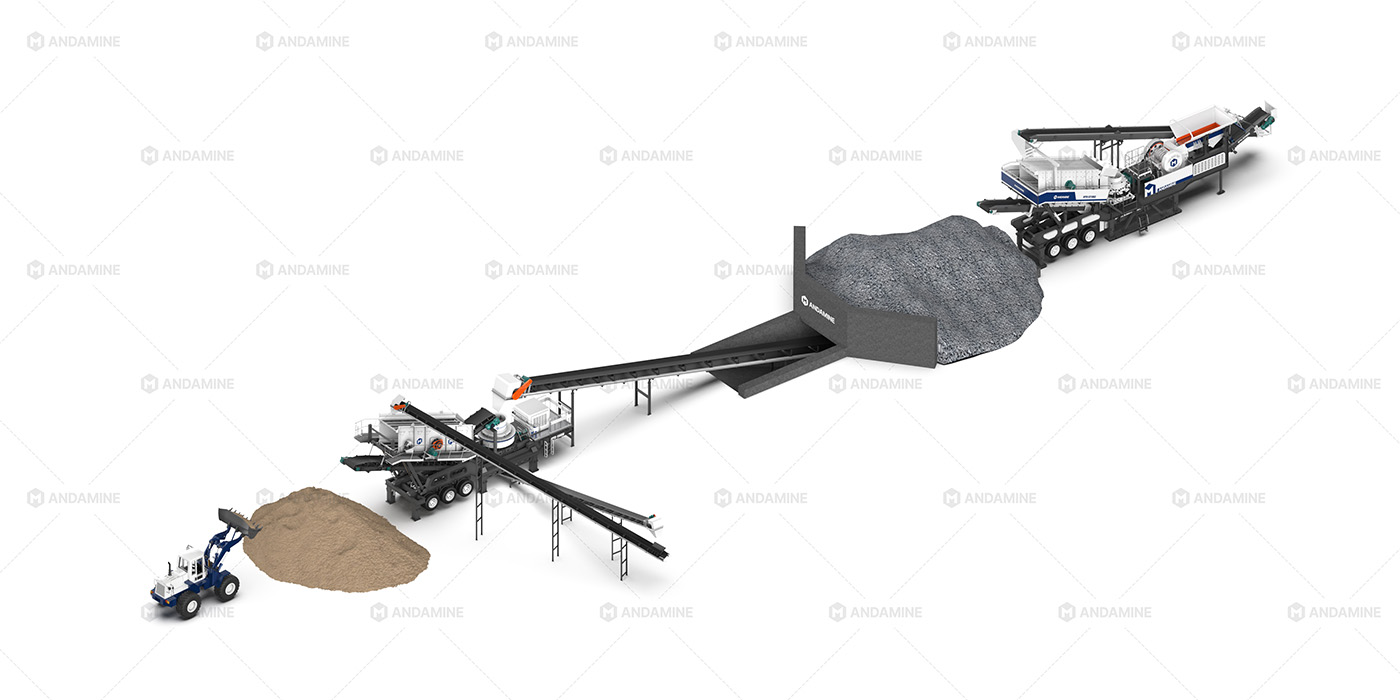
Based on practical project experience, a typical configuration includes:
– Vibrating feeder for stable material supply
– Jaw crusher for primary crushing
– Cone crusher for secondary crushing
– VSI sand making machine for shaping and fine crushing
– Vibrating screens for classification
– Belt conveyors for material transfer
This configuration balances performance and investment. More importantly, it suits river stone characteristics.
Why VSI Sand Matters for Indonesian Construction
Many contractors underestimate the value of good sand.
In reality, sand quality directly affects concrete strength, cement consumption, and finishing quality. Poor sand increases cement usage and leads to cracking risks.
VSI-produced sand offers better angularity and controlled fines. As a result, concrete mixes become more stable and predictable.
For large infrastructure projects, this consistency translates into lower long-term costs.
Operational Considerations in Indonesia
Indonesia presents unique operational challenges.
High humidity, heavy rainfall, and remote project locations all affect plant performance. Therefore, equipment selection should focus on durability and easy maintenance.
For example, centralized lubrication systems reduce downtime. Wear-resistant materials extend service life. Modular layouts simplify transport and installation.
These details may seem small. However, over years of operation, they significantly impact profitability.
Investment Perspective: More Than Just Price
From a contractor’s point of view, a 300 TPH crusher plant is a strategic investment.
While initial price matters, operating cost matters more. Energy efficiency, spare part availability, and after-sales support all influence total cost of ownership.
Therefore, choosing a reliable supplier with local service capability becomes crucial.