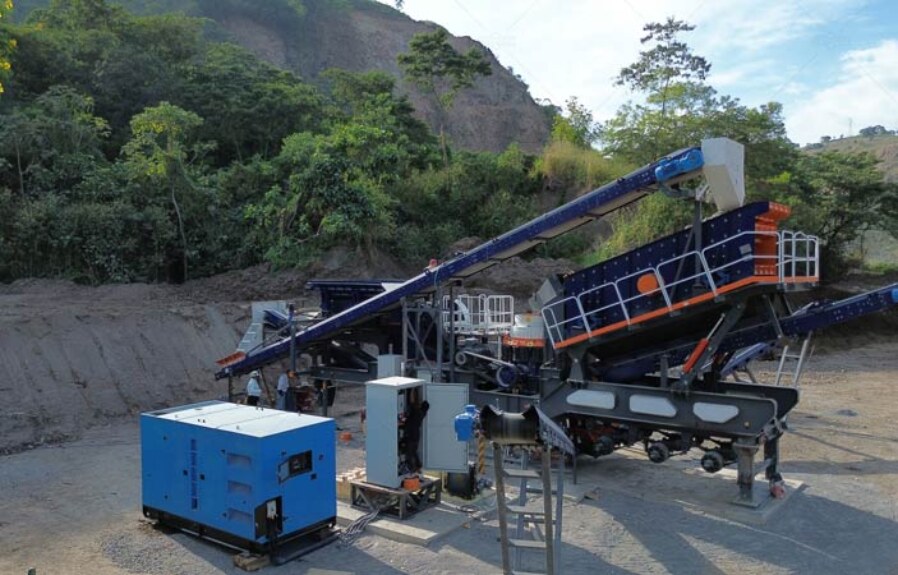
The dynamic nature of construction and infrastructure projects across Latin America has made the mobile stone crusher plant an indispensable asset for on-site aggregate production. Its ability to relocate and process materials directly where they are needed offers tremendous logistical and economic advantages. However, this very mobility and the inherent complexity of crushing operations introduce unique safety challenges that demand rigorous, context-specific management. Effective safety protocols for a stone crusher plant on a bustling construction site must go beyond standard equipment manuals; they must integrate comprehensive risk assessment, continuous training, and adaptive strategies tailored to local operational realities. This analysis outlines the critical safety management points that site managers and contractors must prioritize to protect personnel, ensure compliance, and maintain uninterrupted project progress.
Establishing a Foundation: Pre-Operational Risk Assessment and Planning
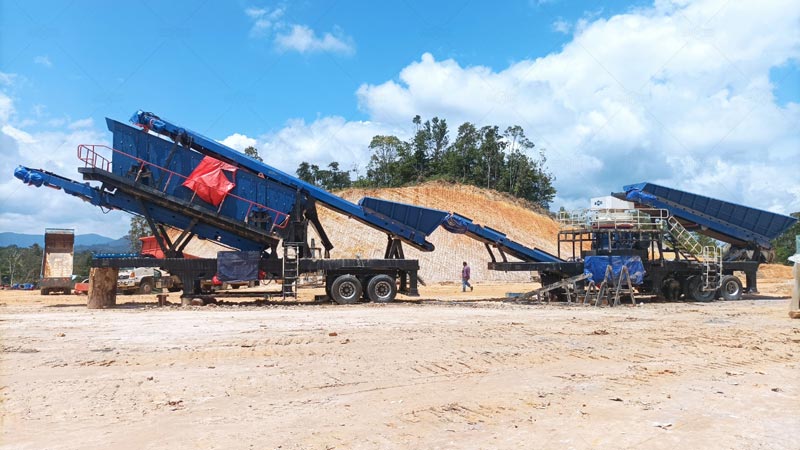
Safety management begins long before the mobile stone crusher plant(planta de trituracion movil) is started on-site. A thorough pre-operational planning phase is crucial to identify and mitigate potential hazards inherent to both the equipment and the specific work environment.
Site-Specific Hazard Identification and Zoning
Every construction site presents unique risks. Before deployment, a detailed site survey must be conducted. Key considerations include ground conditions (stability, slope, bearing capacity), proximity to site traffic, overhead power lines, and the presence of other subcontractors. Based on this survey, clear safety zones should be established around the stone crusher plant. These zones include:
- The Exclusion Zone: A strictly enforced area immediately around the plant where only essential, authorized personnel wearing high-visibility PPE are permitted during operation.
- The Operational Zone: A wider perimeter for feeder loaders and material handling.
- Visitor and Observation Areas: Designated safe spots for inspections and oversight.
Marking these zones with barriers, fencing, and clear signage in both Spanish and Portuguese (as applicable) is a fundamental first step.
Machine Integrity and Pre-Start Checks
A mobile crusher is a complex system of mechanical, electrical, and hydraulic components. A rigorous daily inspection routine, documented with checklists, is non-negotiable. This must include:
- Structural Integrity: Checking for cracks or wear on the chassis, hopper, and conveyor frames.
- Safety Guards: Ensuring all rotating parts, drives, and pinch points are fully guarded according to the original manufacturer’s specifications.
- Emergency Stops and Functionality: Testing all emergency stop cables and buttons at strategic points around the mobile stone crusher plant.
- Fire Prevention: Inspecting for hydraulic leaks, cleaning accumulated dust and grease, and ensuring fire extinguishers are present and charged.
Critical Operational Safety Protocols During Crushing
When the plant is running, safety management focuses on controlling energy, managing traffic, and mitigating ever-present physical and environmental hazards.
Lockout/Tagout (LOTO) for Maintenance and Clearing Jams
The most dangerous moments for crusher personnel occur during maintenance, repair, or when clearing a blockage. A strictly enforced Lockout/Tagout procedure is the single most important protocol to prevent accidental energization. This involves:
- Shutting down the plant completely from the main control panel.
- Isolating all energy sources (electrical, hydraulic, potential energy from raised components).
- Applying personal lockout devices so that each technician working on the equipment has physical control over its power source.
- Verifying zero energy before any work begins.
All personnel, including local hires, must be thoroughly trained in this lifesaving procedure, with training materials available in their primary language.
Managing Traffic and Material Handling Risks
A mobile stone crusher plant is a hub of activity. Unsafe interactions between heavy machinery are a major risk.
- Loader/Crusher Interface: Establishing clear communication signals (preferably radio) between the loader operator and the crusher operator is essential. The feeder area must be kept clear of personnel, and operators should never attempt to dislodge material from the feeder while it is running or from the operator’s cabin.
- Pedestrian and Vehicle Separation: Creating designated, clearly marked travel paths for site vehicles that do not cross the crusher’s operational zones is critical. The use of spotters when vehicles must operate near the plant can prevent collisions.
Dust, Noise, and Vibration Control
Long-term exposure hazards require proactive management.
- Respirable Crystalline Silica (RCS): Crushing operations generate hazardous silica dust. Mandating the use of NIOSH-approved respirators (N95 or greater) for personnel in dusty areas is essential. Integrating water spray suppression systems at transfer points and using dust shrouds on conveyors are engineering controls that must be employed.
- Hearing Protection: Consistent exposure to noise from engines, crushers, and conveyors can cause permanent hearing loss. Enforcing the use of earplugs or earmuffs within designated high-noise zones around the stone crusher plant(planta de trituracion de piedra) is mandatory.
- Vibration Awareness: Prolonged operation of handheld tools or machinery in the vicinity requires awareness of hand-arm and whole-body vibration risks.
Building a Proactive Safety Culture: Training and Compliance
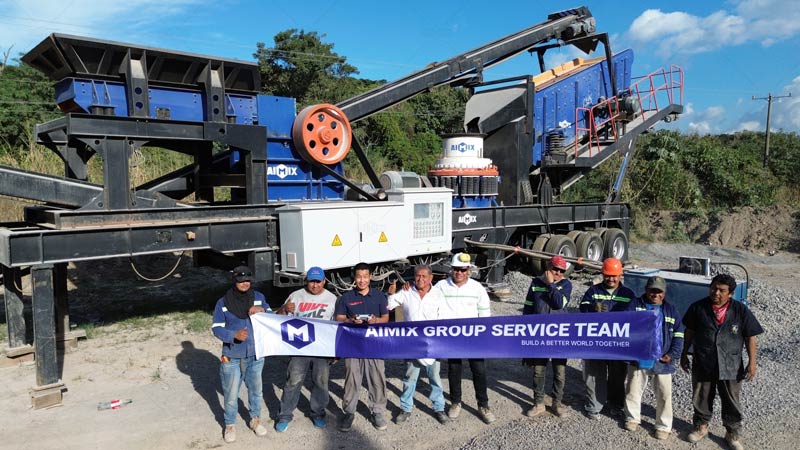
Technical protocols are ineffective without a workforce that understands and believes in them. In Latin America’s diverse labor market, this requires targeted effort.
Competency-Based Training and Communication
Training must be participatory and ongoing, not a one-time event. It should cover:
- Equipment-specific operational training.
- Emergency response drills (fire, entrapment, medical).
- Daily toolbox talks focusing on the specific tasks and hazards of the day.
Instruction should be provided in the crew’s native language, using visual aids and practical demonstrations to overcome literacy barriers. Certifying operators for the specific model of mobile stone crusher plant on site ensures competency.
Adhering to Local and International Standards
Safety management must align with both local regulations (which can vary significantly between countries like Mexico, Brazil, Chile, and Colombia) and international best practices, such as those outlined by ISO 45001 or MSHA. This includes maintaining comprehensive records of inspections, training, incidents, and risk assessments. Engaging with local safety authorities to understand compliance requirements is a key responsibility of site management.
Sustaining Safety as a Core Operational Value
Ultimately, managing safety for a mobile stone crusher plant on a Latin American construction site is an active, daily commitment that blends engineering controls, strict procedural adherence, and human-focused engagement. It requires leadership that visibly prioritizes safety over shortcuts and production pressure. By institutionalizing rigorous pre-start checks, enforcing non-negotiable protocols like LOTO during maintenance, controlling site traffic, and mitigating environmental hazards, managers can create a protective framework around high-risk crushing activities. However, the most critical component is fostering a culture where every team member, from the plant operator to the loader driver, feels empowered and responsible for identifying hazards and upholding safe practices. This holistic approach transforms the stone crusher plant from a potential hazard into a model of efficient and secure on-site production, safeguarding the well-being of the workforce and the successful trajectory of the project itself.