The mining industry is increasingly relying on modern equipment to boost efficiency, reduce costs, and improve safety. Among the most transformative innovations is the mobile crushing and screening plant. Particularly in remote mining locations, these portable plants offer significant operational advantages compared to traditional stationary crushing facilities. Understanding these benefits is crucial for mining operators looking to optimize resource extraction, improve logistics, and maintain profitability in challenging environments.
Flexibility and Portability
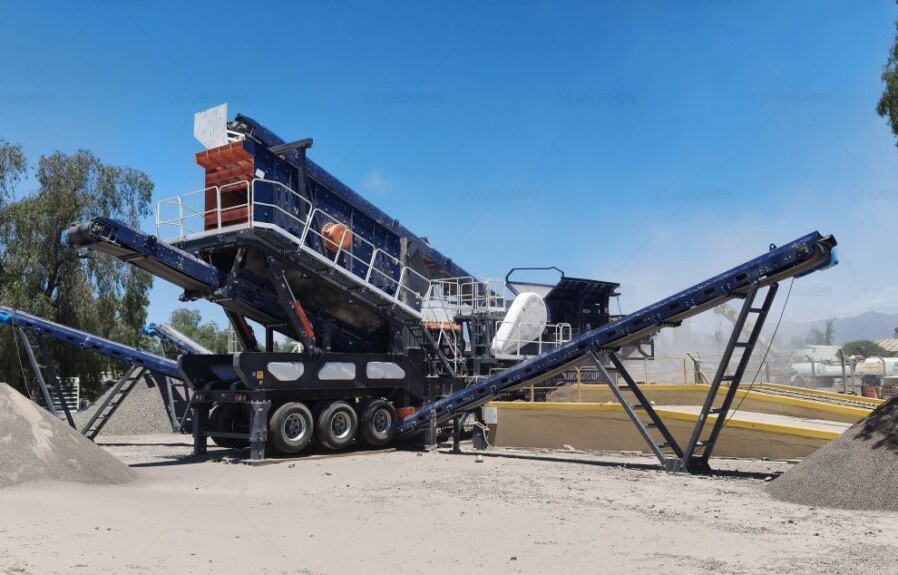
One of the most prominent advantages of a mobile crushing and screening plant is its flexibility. Unlike stationary crusher plants, which require extensive civil work and permanent foundations, mobile plants can be relocated quickly to follow mining operations. This adaptability is especially valuable in remote locations where mining sites may change frequently due to resource distribution.
Portable plants reduce downtime associated with transporting raw materials to stationary facilities. Instead, the crushing and screening equipment can move closer to the extraction site, enabling faster processing of materials and reducing fuel costs associated with hauling raw ore over long distances. Mining operators in remote regions benefit from this mobility, which allows them to adapt to the changing location of resources without costly plant reconstruction or prolonged interruptions.
Furthermore, mobile plants are often modular, allowing operators to combine or separate components as needed. This modularity enhances flexibility, providing the ability to configure the plant according to specific material types or production requirements. As a result, operators can optimize the flow of material, minimize bottlenecks, and achieve higher efficiency in challenging terrains.
Reduced Infrastructure Requirements
Remote mining locations often lack access to comprehensive infrastructure, such as paved roads, electricity, or water supply. A mobile crushing and screening plant addresses these limitations by being self-contained and easy to install. Many mobile plants are equipped with onboard power generation systems or can operate using portable generators, eliminating the need for permanent utility connections.
By reducing reliance on infrastructure, mining operators can lower initial setup costs and accelerate production timelines. Traditional stationary plants often require months of construction before operations can begin, including foundations, material handling conveyors, and structural support. In contrast, mobile plants can be deployed and operational within days or weeks, allowing mining projects to respond quickly to market demand or sudden shifts in resource availability.
Additionally, mobile plants reduce the environmental footprint in remote locations. Since they require minimal site preparation and no permanent foundations, the land disturbance is limited. This feature not only benefits operational efficiency but also helps mining companies comply with environmental regulations and sustainability standards.
Operational Efficiency and Cost Savings
Efficiency gains are another critical advantage of mobile crushing and screening plants in remote mining operations. Processing materials on-site eliminates long-distance transportation, which reduces both fuel consumption and labor costs. By minimizing the movement of raw ore or aggregate, operators can improve turnaround times and maintain consistent production levels.
Mobile plants are also equipped with advanced automation and control systems that optimize material handling, crushing, and screening processes. Automated batching, conveyor controls, and monitoring sensors ensure precise operation with minimal human intervention. This technology reduces the risk of errors, material wastage, and equipment downtime—factors that can significantly impact operational costs in remote mining projects.
Moreover, the modular nature of mobile plants allows operators to scale production up or down depending on the mining phase. For example, during peak extraction periods, additional modules can be added to increase throughput, while smaller configurations can be used during maintenance or off-peak periods. This scalability ensures that the plant operates efficiently under varying workloads, maximizing return on investment.
Enhanced Safety and Reduced Environmental Impact
Safety is a top concern in remote mining locations where access to medical facilities and emergency services may be limited. Mobile crushing and screening plants enhance safety by reducing the need for manual handling and transport of heavy materials. Operators can process materials directly at the site, minimizing exposure to traffic, equipment, and environmental hazards.
In addition, modern mobile plants often incorporate dust suppression systems, noise-reduction features, and efficient material flow design. These features help mitigate environmental impact, reduce workplace hazards, and ensure compliance with regulatory standards. Minimizing dust and noise is particularly important in remote areas where sensitive ecosystems or nearby communities may be affected.
Versatility for Various Material Types
Remote mining locations may involve processing different types of ore, rocks, and aggregates, often requiring adjustments to the crushing and screening configuration. Mobile plants are designed with versatility in mind, allowing operators to handle a wide range of material sizes and types. From coarse boulders to fine aggregates, mobile plants can adjust crushers, screens, and conveyors to achieve the desired output efficiently.
This versatility reduces the need for multiple processing facilities on-site, lowering capital expenditure and simplifying logistics. Mining operators benefit from a single, adaptable plant capable of meeting diverse production requirements while maintaining consistent product quality.
Conclusion
Mobile crushing and screening plants offer substantial operational advantages for mining operations in remote locations. Their portability, flexibility, and modular design allow operators to move equipment as needed, reducing downtime and transportation costs. Minimal infrastructure requirements accelerate deployment and lower setup expenses, while advanced automation enhances efficiency and reduces labor costs.
Additionally, mobile plants improve safety, reduce environmental impact, and provide versatility for handling various materials. For mining operators seeking to optimize operations in remote sites, investing in a mobile crushing and screening plant is a strategic choice that combines efficiency, cost savings, and compliance with regulatory and sustainability standards. By incorporating these plants into their operations, mining companies can maintain high productivity and profitability, even in the most challenging environments.