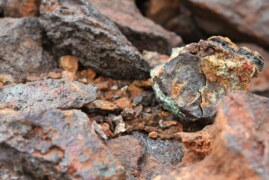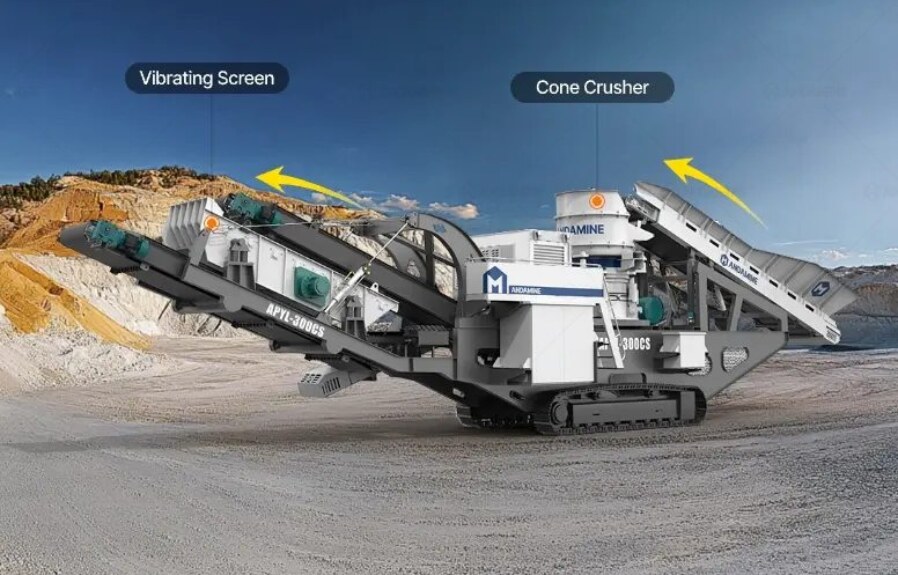
In the rapidly evolving mining industry, ore crushing plants play a pivotal role in enabling efficient material processing and downstream operations. With global demand for metals and minerals increasing, mining companies are constantly seeking advanced technologies that optimize productivity, reduce operational costs, and minimize environmental impact. Modern ore crushing plants have moved far beyond simple mechanical operations, incorporating innovations that enhance throughput, improve material quality, and support integrated processes like ore beneficiation.
Advancements in Ore Crushing Equipment
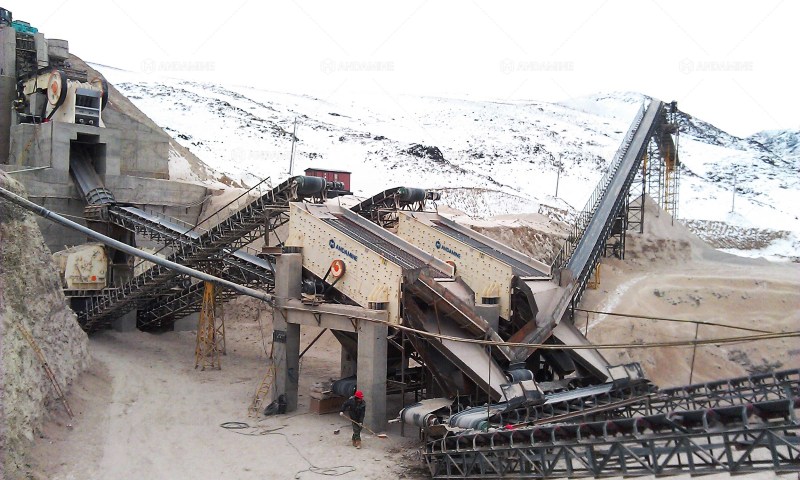
One of the most noticeable changes in modern ore crushing plants is the adoption of advanced crushing equipment. Traditional jaw crushers and cone crushers, while reliable, are increasingly supplemented or replaced by high-efficiency crushers designed to handle higher capacities and harder ore types. For instance, impact crushers with wear-resistant liners and hydraulic adjustment systems allow for precise control over output size, reducing the need for secondary crushing stages.
Moreover, modern plants often integrate multi-stage crushing circuits, where coarse, medium, and fine crushing occur in a coordinated sequence. This approach improves material flow and ensures uniform particle size, which is critical for subsequent ore beneficiation processes such as gravity separation, flotation, or magnetic separation. By ensuring consistency in particle size, the plant enhances recovery rates and overall efficiency.
Automation and Smart Control Systems
A significant innovation in contemporary ore crushing plants is the integration of automation and smart control systems. Sensors, programmable logic controllers (PLCs), and real-time monitoring enable operators to optimize crusher settings, adjust feed rates, and monitor material characteristics continuously. This not only improves plant efficiency but also minimizes downtime caused by blockages, wear, or other operational disruptions.
Automation also contributes to energy efficiency. Modern ore crushing plants consume significant power, and smart systems can optimize energy use by adjusting the crusher speed and load according to the hardness and moisture content of the ore. Energy-efficient operation reduces costs and aligns with sustainable mining practices, an increasingly critical consideration for global mining companies.
Integration with Ore Beneficiation
Modern ore crushing plants are no longer standalone units; they are often designed as part of a larger mineral processing workflow. After crushing, ore is frequently directed to ore beneficiation facilities to extract valuable metals and remove impurities. A well-designed crushing plant ensures that material size and distribution are optimal for beneficiation methods such as flotation, magnetic separation, or gravity concentration.
For example, iron ore crushing plants designed for ore beneficiation often focus on producing uniform fine particles suitable for pelletizing or sintering. Similarly, copper or gold processing plants aim for a particle size distribution that maximizes the recovery of precious metals during flotation. The synergy between crushing and beneficiation reduces material loss, improves recovery rates, and ensures that downstream processes operate efficiently.
Environmental and Sustainability Considerations
Modern ore crushing plants are increasingly developed with environmental sustainability in mind. Dust suppression systems, such as water sprays and enclosures, are standard in most facilities, reducing airborne particulate matter. Noise reduction technologies, including soundproofing and vibration dampening, contribute to safer working conditions and community compliance.
Additionally, the move towards energy-efficient crushers and conveyors reduces greenhouse gas emissions, a growing concern in the mining sector. By integrating ore beneficiation within the workflow, plants minimize the need for repeated crushing and grinding, further conserving energy and lowering the overall environmental footprint.
Trends in Mobile and Modular Ore Crushing Plants
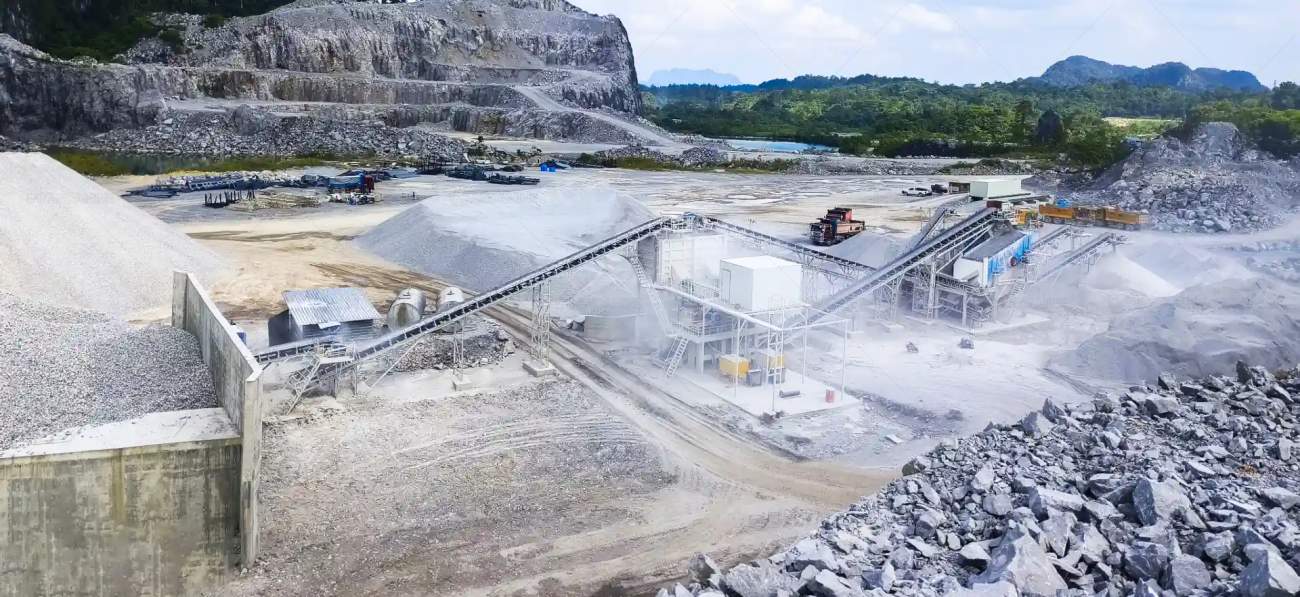
Another notable trend is the rise of mobile and modular ore crushing plants. These systems allow mining operations to quickly relocate or adjust plant capacity according to site requirements. Mobile plants often combine crushing, screening, and initial beneficiation in a compact, transportable unit, providing flexibility for short-term or remote mining projects.
Mobile ore crushing plants are particularly beneficial for operations that process multiple ore types with varying hardness and composition. By enabling on-site ore beneficiation, these plants reduce transportation costs and improve the efficiency of resource extraction.
Conclusion
The evolution of modern ore crushing plant technology represents a convergence of mechanical innovation, digital control, and integrated mineral processing. Advanced crushers, automated systems, and the seamless connection to ore beneficiation processes have transformed how mining companies approach material processing. By prioritizing efficiency, consistency, and environmental sustainability, modern plants ensure that mining operations remain competitive and aligned with global industry standards.
As global demand for metals continues to rise, ongoing innovation in ore crushing and beneficiation will be critical for maximizing resource recovery, reducing costs, and supporting sustainable mining practices worldwide.