Setting up a stone crusher plant for mining operations is a major investment, and the cost of the plant depends on multiple factors beyond the machinery itself. One of the most significant determinants is the characteristics of the mining site. From terrain and raw material type to accessibility, climate, and local regulations, each site feature influences design choices, operational efficiency, and ultimately the stone crusher plant cost. Understanding these site-specific factors is critical for investors, mining contractors, and equipment suppliers who aim to balance investment with long-term productivity.
1. Terrain and Topography
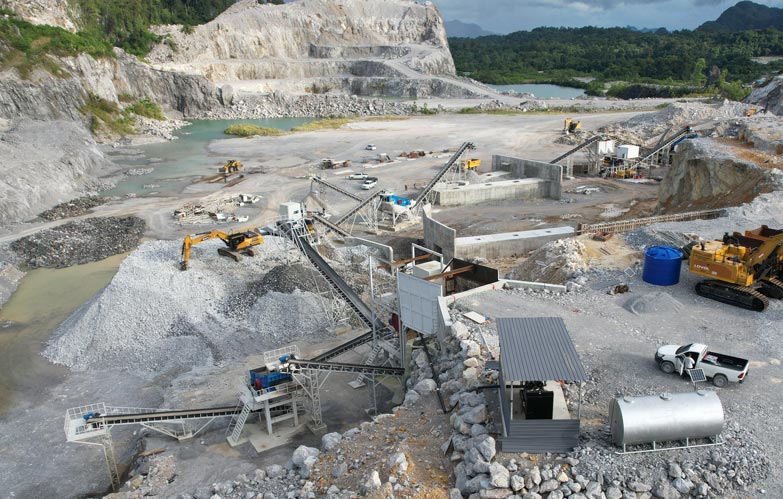
The topography of a mining site is one of the first considerations in determining stone crusher plant cost. A flat, accessible site simplifies construction, material movement, and plant setup, reducing civil works and labor costs. Conversely, hilly, uneven, or rocky terrains require extensive site preparation:
- Excavation and leveling: Uneven sites may require grading, retaining walls, or slope stabilization to ensure safe installation of crushers, conveyors, and storage silos.
- Foundation design: Heavy machinery, such as jaw or cone crushers, needs stable foundations. In areas with soft soil or unstable rock formations, foundations must be reinforced, increasing costs.
- Material handling layout: Steeper slopes or irregular terrain may necessitate longer conveyors, transfer points, or specialized lifting equipment to move raw materials efficiently, impacting both initial setup and ongoing maintenance costs.
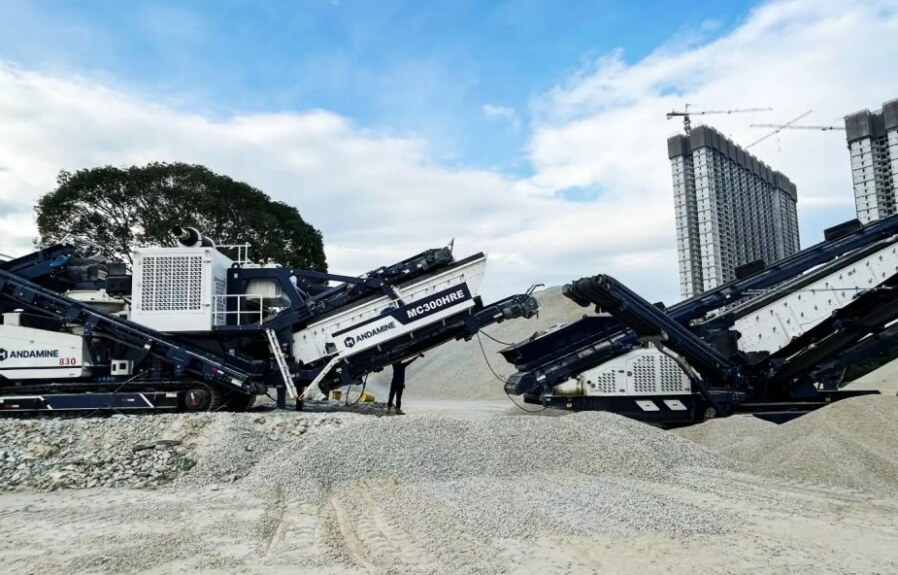
Mining sites with complex terrain also influence the choice of equipment. Mobile stone crusher plants may be preferred for rugged or remote locations because they offer flexibility, whereas stationary plants are ideal for accessible, level sites with consistent material flow.
2. Raw Material Type and Hardness
The type of rock or ore being processed directly affects stone crusher plant cost. Different materials require different crushing technologies, energy inputs, and wear-resistant components:
- Hardness and abrasiveness: Harder rocks like granite or basalt require robust jaw or cone crushers with high-strength wear parts, increasing equipment cost. Softer materials like limestone or sandstone allow for less heavy-duty machinery.
- Moisture content: Wet or clay-rich materials may require additional screening, washing systems, or conveyors to prevent clogging, which adds to installation costs.
- Feed size and variability: Large or uneven raw material sizes may necessitate primary and secondary crushers, increasing plant complexity and total cost.
Selecting the right crusher and auxiliary equipment from reliable suppliers ensures durability and reduces operational downtime, which is crucial for controlling long-term costs.
3. Accessibility and Logistics
Mining site accessibility significantly influences plant setup and operational costs:
- Transport of machinery: Remote or difficult-to-access sites may require specialized transport for heavy machinery, adding logistics costs to the total stone crusher plant cost.
- Availability of raw materials: Sites far from quarries or aggregate sources may require additional transport infrastructure or conveyors, impacting both setup and operational expenses.
- Proximity to utilities: Access to electricity, water, and fuel is essential. Sites lacking reliable infrastructure may need onsite generation or water storage, which increases setup costs.
For mining operations, a well-connected site reduces downtime, lowers transportation costs, and allows the plant to operate efficiently at optimal capacity.
4. Climate and Environmental Conditions
Environmental and climatic conditions play a critical role in determining stone crusher plant cost and equipment selection:
- Temperature extremes: Very hot or cold climates may require specialized machinery lubrication, cooling systems, or weatherproof housings to maintain reliability.
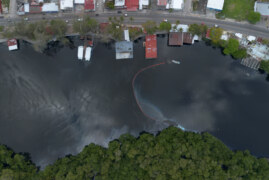
- Rainfall and flooding: High rainfall areas may need elevated platforms, drainage systems, or covered conveyors to protect machinery from water damage.
- Dust and air quality: Dust suppression systems, such as water sprays or bag filters, are often mandatory in mining areas, especially in urban-adjacent or regulated zones.
These environmental considerations add to both initial investment and ongoing operational costs, but they are necessary to maintain safety, compliance, and uninterrupted production.
5. Regulatory and Permitting Factors
Mining site regulations can significantly influence stone crusher plant cost:
- Environmental permits: Many jurisdictions require environmental impact assessments, dust and noise mitigation, and wastewater treatment systems before plant setup.
- Safety compliance: Worker safety standards necessitate guardrails, emergency stops, PPE, and automated sensors, which can increase initial costs.
- Zoning restrictions: Urban or environmentally sensitive areas may limit plant size or require specialized modular or mobile units to minimize land use and disturbance.
Non-compliance can lead to fines, shutdowns, or costly retrofitting, making regulatory considerations a critical factor in cost planning.
6. Site Infrastructure and Expansion Potential
The existing infrastructure and future expansion potential also impact stone crusher plant cost:
- Utilities and storage: Sites with ready access to power, water, and storage areas reduce setup complexity and cost.
- Future scalability: Sites that allow plant expansion or addition of secondary crushers, conveyors, or screening systems provide long-term value and reduce the need for costly relocation.
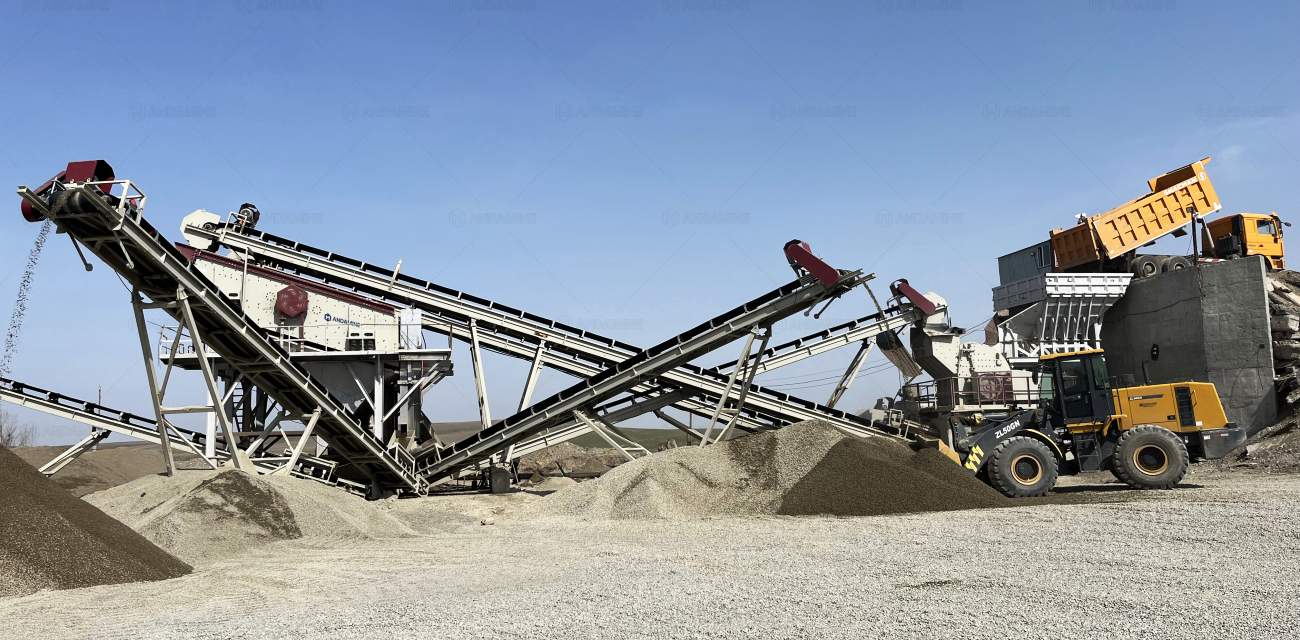
- Modular vs permanent setup: Mobile plants offer flexibility for temporary or expanding operations, while stationary plants are more suitable for high-volume, permanent mining projects.
A site with good infrastructure reduces both initial investment and operational cost, making the plant more efficient and profitable over time.
Conclusion
The characteristics of a mining site—terrain, raw material type, accessibility, climate, regulatory environment, and infrastructure—play a pivotal role in determining stone crusher plant cost. Investors and mining operators must evaluate these factors carefully before committing capital. By selecting appropriate equipment, designing efficient workflows, and ensuring compliance with local regulations, a well-planned stone crusher plant can achieve both operational efficiency and long-term profitability. Understanding site-specific requirements is therefore critical to optimizing investment, minimizing unexpected costs, and ensuring the success of mining projects.