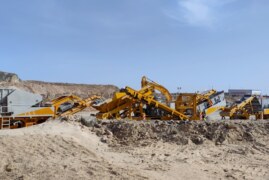
Operating a stone crusher plant business can be a highly profitable venture when managed with technical expertise and strategic foresight. However, consistent profitability depends not only on sales volume but also on how well the plant is maintained and how promptly equipment issues are diagnosed and resolved. A breakdown in a critical component can halt operations, result in delivery delays, and lead to increased operational costs. Therefore, understanding the common faults and maintenance guides of stone crusher plant is essential for any plant owner or operator aiming to maximize uptime and ensure smooth workflow. This article explores the most frequently encountered issues in stone crushing plants, followed by practical maintenance tips and pro advice on enhancing long-term performance.

Common Faults in Stone Crusher Plant
Running a stone crusher plant means dealing with multiple types of machinery, including jaw crushers, impact crushers, cone crushers, vibrating screens, and conveyors. Each piece of equipment has its own set of common faults, and these issues can severely affect productivity if left unaddressed.
One of the most common problems in a stone crusher plant business is equipment overheating. Crushers, especially jaw and cone types, generate a lot of friction during operation. Without proper lubrication or if oil levels drop, components such as bearings, shafts, and motors can overheat and fail. Overheating not only shortens the lifespan of the machinery but also poses safety risks to workers.
Another typical issue is vibration-related damage. Excessive vibration can occur due to unbalanced rotor parts, misalignment of components, or worn-out bearings. This often leads to structural damage to the plant framework, cracked foundation bolts, and decreased crushing efficiency.
Blockages and material jamming are also frequent, particularly in feeders and discharge chutes. This can happen when oversized rocks enter the system or when moist, sticky materials build up and clog the flow. Such blockages can damage conveyor belts or even cause crusher rotors to seize.
A less obvious yet impactful fault is sensor and control system failure. Modern stone crusher plants often rely on automated control systems for temperature, load, and vibration monitoring. When these sensors malfunction or relay incorrect data, operators may make poor decisions, leading to equipment stress or operational errors.
Lastly, belt slippage and wear in conveyor systems often go unnoticed until materials start spilling or production slows. Belts can misalign due to roller issues or get damaged from sharp debris, significantly hampering workflow.
Maintenance Guides of Stone Crusher Plant
Preventing these faults through regular maintenance is key to ensuring the longevity and profitability of your stone crusher plant business. A comprehensive maintenance strategy involves both routine checks and predictive care based on the working conditions and equipment usage rate.
The first line of defense is a daily inspection routine. Operators should check oil levels, look for signs of wear on belts and screens, monitor for unusual noises or vibrations, and clear out accumulated debris from around the machines. This might sound basic, but catching early signs of wear can save thousands in repair costs.
Lubrication schedules must be strictly followed. Different parts of the crusher system require specific lubricants at different intervals. Automated lubrication systems are worth investing in to reduce human error and ensure all moving components remain in good working order.
Another crucial maintenance step is alignment checks for shafts, belts, and rotors. Misalignments can lead to serious vibration issues and premature wear. Using laser alignment tools ensures higher accuracy during setup and regular realignment.
Spare parts inventory management is also a smart practice. Keep essential wear parts like jaw plates, blow bars, screens, and belts in stock. Downtime waiting for a replacement part can be disastrous for delivery schedules and client satisfaction.
Additionally, consider training plant operators in basic troubleshooting and repair techniques. When staff are equipped to spot faults early and perform minor fixes, overall plant uptime increases significantly.
One of the most overlooked maintenance areas is electrical and control systems. Ensure all sensors, circuit boards, and automated systems are checked regularly. Dust and moisture can easily damage electrical components, so enclosure sealing and regular cleaning are vital.
Lastly, use data and technology to your advantage. Many modern crushing plants can be connected to central monitoring systems that provide real-time feedback on load levels, temperature, vibration, and operational hours. Use this data to predict when maintenance will be required and avoid unexpected breakdowns.
Pro Tip for Running a Profitable Stone Crusher Plant Business
Beyond fault prevention and maintenance, the secret to a truly successful stone crusher plant business lies in strategic planning and operational efficiency. A pro tip that many seasoned operators follow is to align production volume with market demand while minimizing unproductive downtime. This means not just selling more crushed stone, but also reducing costs through effective maintenance and efficient resource management.
Integrating predictive maintenance technologies such as vibration analysis tools, thermal imaging cameras, and IoT sensors can give early warnings about potential failures, allowing plant managers to act before damage escalates. This not only saves money but also keeps clients happy through consistent product delivery.
Another key tip is to optimize the plant layout. Ensure that equipment is arranged to minimize the distance materials travel between crushers, screens, and conveyors. This reduces energy usage and increases production speed. Small adjustments in layout can result in big gains over time.
Choosing the right stone crusher equipment for your specific material type also matters. For instance, granite and basalt require high-capacity cone crushers, while softer limestone may perform better with an impact crusher. Matching your machine to the stone type ensures maximum efficiency and less wear.
Don’t overlook the importance of customer relationships and quality control. Delivering consistent product sizes and meeting project deadlines builds your brand reputation, which in turn attracts repeat business. Remember that technical performance must align with customer satisfaction for a truly profitable operation.
Final Thoughts
In conclusion, understanding the common faults and maintenance guides of stone crusher plant is essential for anyone operating in the stone crushing industry. Regular maintenance not only prolongs equipment life but also supports stable output and business growth. When combined with smart operational planning and proactive investment in technology, these practices can significantly boost the profitability of your stone crusher plant business. By staying vigilant and forward-thinking, you can avoid costly breakdowns, improve productivity, and build a resilient business that thrives in a competitive market.