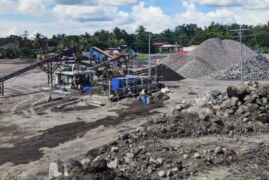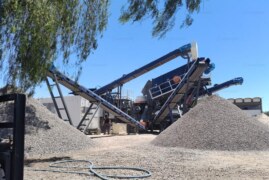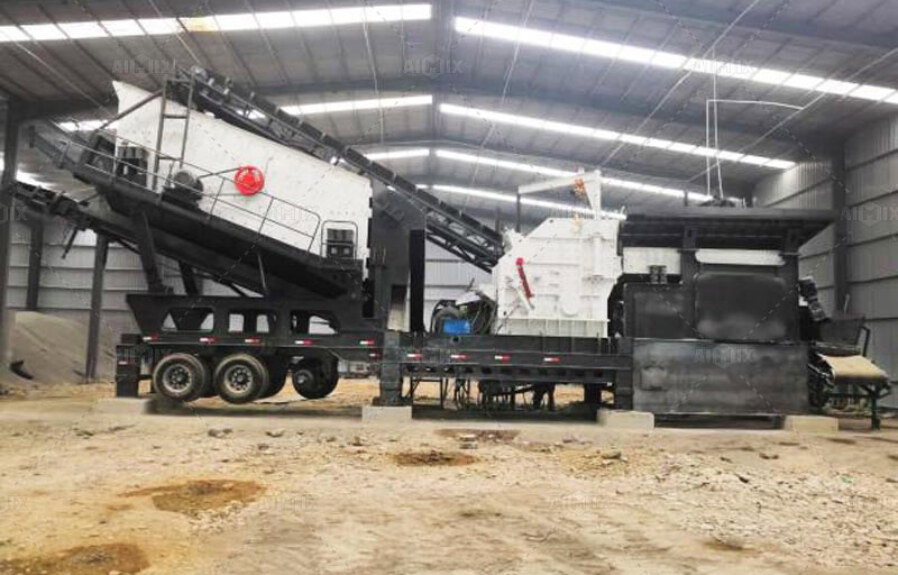
Latin America’s aggregate sector is at an inflection point. Growing infrastructure demand, tighter environmental standards, and rising operating costs are pushing quarry operators and contractors to adopt smarter ways of working. Intelligent remote monitoring systems convert machine signals into actionable insights, helping operators squeeze more uptime from equipment, cut energy use, and make maintenance predictable. For an aggregate crusher plant operating across remote quarries, these capabilities translate directly into lower costs, faster response times, and higher margins.
Why Remote Monitoring Is Becoming Essential
Quarries and mobile operations in Mexico, Brazil, Peru, Chile, and Colombia face widely varying site conditions: long haul distances, inconsistent grid quality, dusty environments, and often limited on-site technical expertise. Traditional, person-intensive inspection routines are expensive and slow. Remote monitoring fills that gap by streaming real-time data from PLCs, VFDs, sensors, and edge devices to dashboards that managers and technicians can access anywhere. Instead of reacting to breakdowns, teams spot deviations early, prioritize work, and deploy crews only when and where they are truly needed.
The Core Capabilities Of Modern Systems
Modern monitoring platforms collect data on vibration, temperature, motor current, oil condition, belt tension, and throughput. They combine this telemetry with alerts, historical trending, and simple analytics. For an aggregate crusher plant, these systems can flag increasing current draw on a crusher motor, rising bearing temperatures on a screen, or repeated conveyor start-stop cycles that indicate a material flow issue. When integrated with maintenance workflows, the platform automatically issues work orders, reducing administrative lag and ensuring the right parts and people arrive prepped.
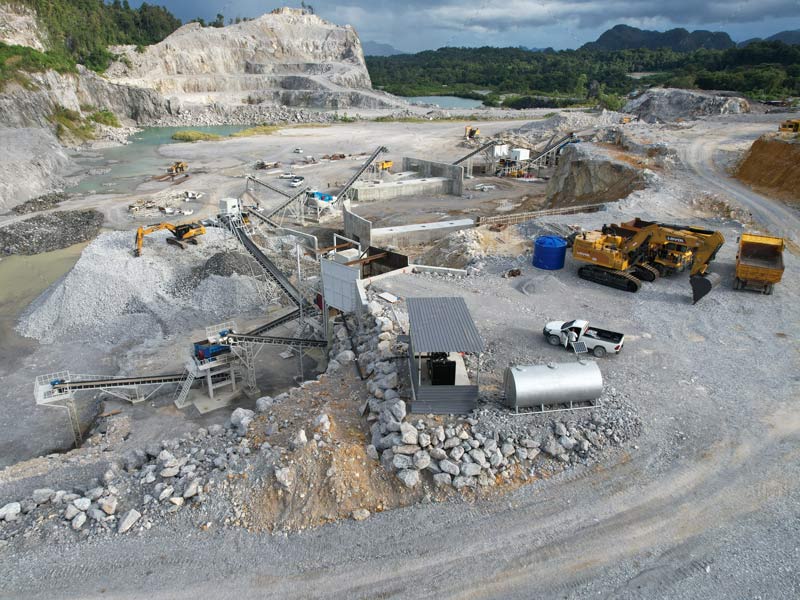
Operational Benefits That Add Up
Increased Availability And Uptime
One of the clearest benefits is fewer unplanned stops. Remote monitoring turns cryptic symptoms—slight vibration growth or a slow current rise—into early warnings. Addressing these issues in scheduled windows prevents catastrophic failures and long repair times. For mobile fleets that move between projects, maintaining availability is crucial to meet tight contracts and maximize asset utilization.
Smarter Maintenance And Lower Costs
Replacing calendar-based servicing with condition-based interventions reduces unnecessary part changes and labor. Predictive alerts let operators swap a bearing at a planned break rather than after it fails and damages a shaft. Over a year, reduced emergency repairs, lower spare parts inventory, and fewer lost production hours compound into meaningful OPEX savings.
Energy Efficiency And Production Consistency
Monitoring energy consumption at the drive level reveals inefficiencies such as incorrect crusher settings, worn liners, or conveyor misalignment. By tuning VFDs and balancing load across stages, plants lower kWh per ton and stabilize product gradation. Consistent product quality reduces rework and strengthens customer trust.
Practical Deployment Strategies For Latin America
Start With High-Value Assets
Operators should instrument assets that cause the longest downtime: primary crushers, main screens, and the longest conveyors. A phased rollout—starting with a pilot on one line—builds confidence and proves ROI before scaling across the fleet or multiple quarries.
Design For Connectivity Realities
Many Latin American sites experience intermittent cellular coverage. Effective systems use hybrid connectivity: cellular where available, local Wi-Fi for yard networks, and edge analytics that store and pre-process data offline, syncing when a connection is restored. This approach ensures local operators still receive immediate alarms even when remote supervisors cannot view live dashboards.
Integrate With Maintenance Systems
Remote insights must translate to execution. Linking monitoring platforms to a CMMS (Computerized Maintenance Management System) automates work order generation, parts reservation, and scheduling. This reduces human error and ensures that predictive alerts become actual repairs, not just warnings on a screen.
Organizational Changes To Maximize Value
Train Operators And Technicians
Technology succeeds only when people use it. Training crews to read dashboards, understand key indicators, and perform simple verification checks turns junior staff into first-line diagnosticians. Operators at the crusher or screen can capture contextual notes—feed changes, blast variability, or weather—that make analytics far more accurate.
Define Clear KPIs
Measure MTBF (Mean Time Between Failures), MTTR (Mean Time To Repair), energy per ton, and percentage of condition-based maintenance versus reactive work. Regularly reviewing these KPIs demonstrates progress and helps prioritize further investments.
Create Cross-Functional Response Protocols
When an alert fires, who responds? Establish a tiered protocol: operator checks and confirms, local mechanic performs first-line action, remote specialist advises, and parts are dispatched if needed. Clear roles minimize confusion and prevent unnecessary site visits.
Use Cases That Resonate In The Region
Mobile Crushing Lines On Road Projects
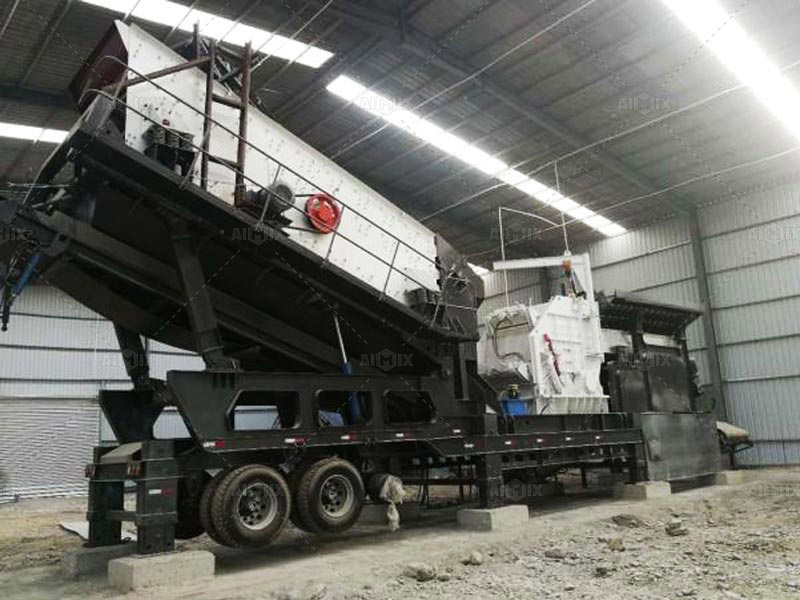
Mobile units that serve road rehabilitation programs often shift quickly between sites. Remote monitoring ensures that teams spot emerging issues during relocation and address them before the next mobilization, reducing costly downtime when the machine is needed most.
Urban Recycling Yards
In cities where recycled concrete and asphalt processing must meet noise and emission limits, monitoring helps maintain dust suppression systems, control plant start/stop sequences, and prove compliance to regulators.
Remote Quarry Operations
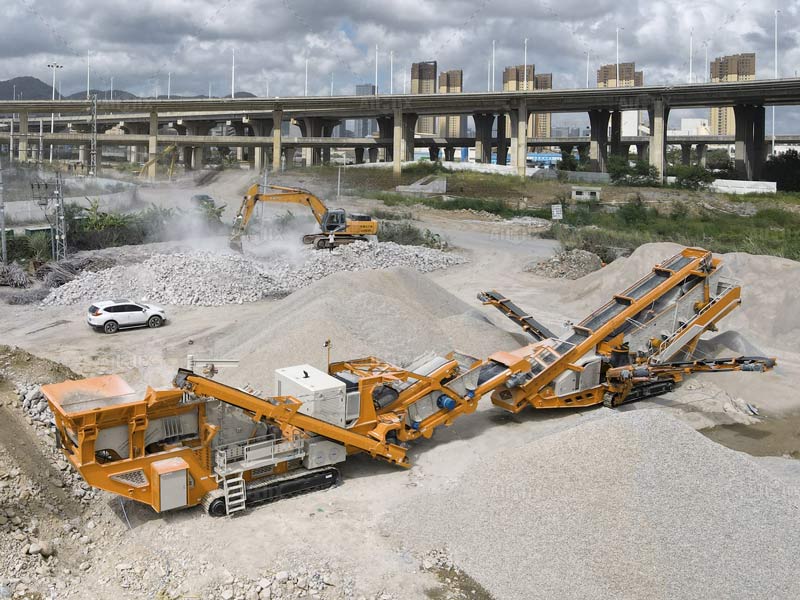
For quarries in mountainous or rainforest zones, quick detection of belt misalignment, bearing heat, or hydraulic leaks prevents long, expensive shutdowns that are painful to recover from due to access difficulties.
The Future: AI And Closed-Loop Optimization
The next step beyond remote monitoring is closed-loop optimization. Machine learning models will correlate sensor signals with product quality and energy draw, automatically recommending setpoint changes or even adjusting VFDs to maintain target gradation while minimizing energy. In a few years, cloud-assisted AI may suggest liner change schedules based on feed rock type and measured wear rates—transforming maintenance from calendar-driven chores to intelligence-led lifecycle management.
Conclusion
Intelligent remote monitoring is not an optional upgrade for Latin America’s aggregate industry—it is a competitive necessity. For an aggregate crusher plant(planta trituradora de agregados), the move from manual inspections to continuous, connected oversight reduces downtime, lowers operating costs, and stabilizes product quality. By starting smart—piloting critical assets, designing for connectivity realities, integrating with maintenance workflows, and training teams—operators in Latin America can turn data into dependable performance gains. The result is a leaner, more resilient supply chain that supports regional infrastructure growth while protecting asset value and improving profitability.