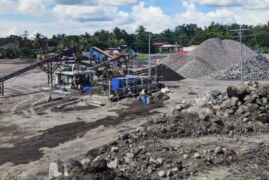
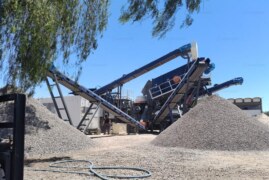
Latin America’s mining and construction sectors face unique environmental challenges that can significantly affect equipment performance. From high-altitude mining regions in Peru and Bolivia to humid coastal zones in Colombia and Brazil, a stone crusher plant must be designed and maintained to withstand diverse conditions. Understanding how these environments impact machinery is critical for maximizing efficiency, reducing maintenance costs, and extending equipment lifespan.

Environmental Challenges for Crushing Plants
Different regions present specific challenges that operators must consider when deploying a stone crusher plant.
High-Altitude Locations
Mining operations in mountainous areas encounter thinner air, which can influence engine performance and cooling efficiency. The lower oxygen levels can cause diesel engines to operate less efficiently, while hydraulic systems may experience minor pressure variations. Equipment must be calibrated to maintain consistent output despite these altitude-related effects.
High-Humidity and Rainy Regions
Coastal areas and tropical zones often experience high humidity, heavy rainfall, and saline air. These conditions accelerate corrosion of metal components, electrical failures, and wear on moving parts. A stone crusher plant operating in such regions requires additional anti-rust measures, sealed electrical components, and routine preventive maintenance to maintain reliability.
Dust and Abrasive Conditions
Many quarries generate high levels of dust and abrasive particles, which can lead to premature wear on crusher jaws, bearings, and conveyor belts. High-quality seals, dust covers, and filtration systems are essential to reduce the impact of these conditions on plant longevity.
Design Adaptations for Harsh Environments
Modern stone crusher plants(planta de trituracion) incorporate several design features to address environmental challenges in Latin America.
Reinforced Structural Components
Steel frames, crusher bodies, and support structures are treated with corrosion-resistant coatings. These reinforcements help machinery withstand humid or salty air, heavy vibrations, and uneven terrain without structural damage.
Optimized Cooling and Hydraulic Systems
High-altitude operation demands adjustments in cooling and hydraulic systems to maintain proper performance. Engineers may use higher-capacity radiators, upgraded pumps, or specialized hydraulic fluids to compensate for thinner air and lower ambient temperatures.
Dust Protection and Filtration
Dust-proof enclosures for motors and electrical panels, along with robust air filtration for engines and hydraulic systems, extend the service life of critical components. This is especially important in Latin American quarries where fine silica dust is prevalent.
Operational Strategies for Latin American Projects
Beyond equipment design, proper operational practices are essential for adapting to environmental challenges.
Site Assessment and Preparation
Before installing a stone crusher plant, site assessment is crucial. Ensuring proper drainage in humid areas, stabilizing ground in high-altitude regions, and providing dust control measures in dry zones all improve operational reliability.
Regular Preventive Maintenance
Routine inspection and maintenance are key to combating environmental impacts. This includes cleaning filters, lubricating moving parts, tightening bolts, and checking hydraulic pressures. Preventive maintenance schedules should be adjusted to account for climate-specific factors like humidity, rainfall, and temperature fluctuations.
Operator Training
Operators must be trained to recognize environmental effects on equipment performance. For example, high-altitude conditions may require adjusting engine throttle or hydraulic pressure, while coastal operations might require daily inspection of corrosion-prone components. Skilled operators ensure that a stone crusher plant runs efficiently despite challenging conditions.
Case Studies from Latin America
Many mining companies in Peru, Colombia, and Brazil have successfully deployed stone crusher plants in complex environments by combining robust design with adaptive operational practices.
-
Peru: High-altitude copper mines use reinforced cooling systems and altitude-adjusted engine settings to maintain consistent crushing output.
-
Colombia: Coastal aggregate projects implement daily anti-corrosion routines and protective covers to prevent saltwater damage.
-
Brazil: Tropical rainforest regions require continuous dust suppression and humidity-resistant seals to prolong equipment life.

The Role of Mobile Crushing Solutions
In some cases, a mobile stone crusher plant provides additional flexibility for challenging environments. Mobile units can be repositioned to optimize terrain conditions, reduce exposure to high humidity, and adapt to changing project sites. These plants are particularly useful for quarries in remote areas with limited infrastructure.
Conclusion
Operating a stone crusher plant in Latin America requires careful consideration of environmental factors such as altitude, humidity, and dust. By selecting equipment with appropriate design adaptations, implementing rigorous preventive maintenance, and training operators to handle local challenges, contractors can achieve reliable performance and maximize ROI.
Understanding these factors ensures that crushing plants not only survive but thrive in the diverse and demanding environments across Latin America. Proper planning and adaptive strategies make all the difference in long-term productivity, safety, and equipment longevity.