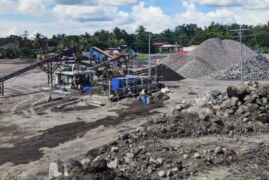
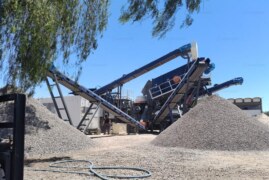
Compact concrete crushers have become essential equipment in modern construction and demolition projects. They allow contractors and recycling companies to efficiently reduce concrete waste into reusable aggregates, saving costs and promoting environmental sustainability. However, like any mechanical system, compact concrete crushers are susceptible to operational issues that can affect performance. Proper troubleshooting and performance optimization are critical to maintaining productivity, extending equipment life, and ensuring safety. This article explores common problems, their causes, and best practices for optimizing the performance of compact concrete crushers.
Common Issues in Compact Concrete Crushers
Understanding the typical challenges faced by compact concrete crushers is the first step toward effective troubleshooting. Some of the most common problems include:
-
Poor Crushing Efficiency
Reduced output or inconsistent particle sizes often indicate issues in feed, wear parts, or settings. If the crusher is underperforming, the primary causes could be uneven feeding, worn jaws or hammers, or incorrect gap settings between crushing surfaces. -
Material Blockages
Blockages or jams are frequent in compact concrete crushers, especially when handling reinforced concrete or mixed debris. Blockages not only reduce output but can also damage internal components if not addressed promptly. -
Excessive Vibration or Noise
Unusual vibration or noise often signals mechanical problems such as loose bolts, unbalanced rotors, or worn bearings. Persistent vibrations can lead to structural damage and pose safety risks. -
Motor or Hydraulic Failures
Many compact crushers rely on electric or hydraulic power for operation. Overheating motors, hydraulic leaks, or pressure loss can cause the crusher to stop unexpectedly or operate inefficiently. -
Dust and Debris Accumulation
Dust buildup can affect both the crusher and surrounding equipment, potentially reducing performance and increasing maintenance requirements. This is particularly problematic in urban or enclosed construction sites.
Troubleshooting Techniques
Efficient troubleshooting involves systematic inspection and maintenance. Here are key strategies:
-
Check Feed and Material Quality
Ensure that the input material is suitable for the crusher. Large chunks, foreign objects, or excessive steel reinforcement can cause blockages and wear. Consider pre-breaking oversized concrete or using magnets to remove metal fragments. -
Inspect Wear Parts Regularly
Jaws, hammers, and impact plates are subject to constant wear. Regular inspection and timely replacement are crucial. Uneven wear can lead to inefficient crushing and higher energy consumption. -
Examine Crusher Settings
Adjust the crusher settings according to the desired aggregate size. For jaw crushers, check the jaw gap; for impact crushers, verify the rotor speed and impact plate angles. Incorrect settings can reduce efficiency and produce inconsistent material sizes. -
Monitor Motors and Hydraulic Systems
Inspect motors, belts, and hydraulic components for leaks, overheating, or unusual noises. Ensure proper fluid levels, clean filters, and follow manufacturer recommendations for routine checks. -
Address Blockages Promptly
If a blockage occurs, always shut down the machine before attempting removal. Use appropriate tools to clear debris and check for damaged components before resuming operation. -
Control Dust and Debris
Implement dust control measures such as water sprays, dust collectors, or enclosed conveyor systems. Regular cleaning prevents abrasive buildup and prolongs the life of moving parts.
Performance Optimization Strategies
Beyond troubleshooting, proactive optimization can enhance the crusher’s efficiency, reliability, and safety.
-
Consistent Material Feed
Feeding the crusher uniformly ensures smooth operation. Avoid overloading or underfeeding, as inconsistent feed rates can reduce throughput and accelerate wear. -
Use High-Quality Wear Parts
Invest in durable wear parts that match the crusher’s specifications. High-quality components improve crushing efficiency, reduce downtime, and extend the machine’s lifespan. -
Regular Preventive Maintenance
Create a preventive maintenance schedule that includes inspections, lubrication, part replacement, and system checks. Scheduled maintenance prevents major breakdowns and keeps the crusher running at peak performance. -
Monitor Performance Metrics
Track key performance indicators such as output volume, energy consumption, and particle size distribution. Monitoring helps detect early signs of inefficiency and enables timely adjustments. -
Operator Training
Skilled operators can significantly impact crusher performance. Training staff on proper feeding techniques, safety protocols, and troubleshooting procedures reduces errors and enhances productivity. -
Upgrade Technology Where Applicable
Modern compact crushers may include automation, remote monitoring, and advanced control systems. Upgrading or integrating these technologies can optimize crushing cycles, reduce downtime, and improve overall efficiency.
Safety Considerations
Safety should always be a top priority when troubleshooting or optimizing compact concrete crushers. Operators must wear protective equipment, follow lockout/tagout procedures during maintenance, and ensure that the area around the crusher is clear of personnel and obstacles. Safe operation not only protects workers but also prevents accidental damage to the equipment.
Conclusion
Compact concrete crushers are invaluable for efficient concrete recycling and site management. However, without proper troubleshooting and performance optimization, their productivity and lifespan can be compromised. By understanding common issues, conducting systematic inspections, maintaining wear parts, and implementing optimization strategies, operators can ensure their crushers deliver maximum efficiency and reliability. Additionally, embracing preventive maintenance, operator training, and technological upgrades creates a sustainable and cost-effective approach to concrete crushing. Properly managed, compact concrete crushers not only reduce waste but also enhance project efficiency, safety, and environmental responsibility.