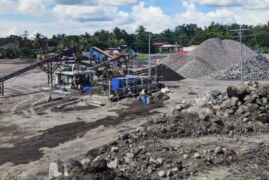
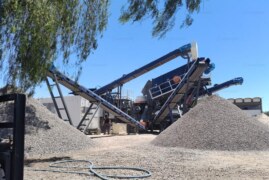
The global construction and mining industries rely heavily on crushers for material processing, making the cost of crusher machine a critical factor for investors, contractors, and equipment suppliers. Over the past few years, fluctuations in raw material prices, technological advancements, and evolving market demands have significantly impacted pricing trends. Among the various types of crushers, the jaw crusher remains one of the most commonly used, and understanding the factors influencing jaw crusher cost is essential for making informed investment decisions.
Growing Demand in Construction and Mining
One of the primary drivers behind changes in crusher machine prices is the surge in construction and mining activities globally. Rapid urbanization, large-scale infrastructure projects, and industrial expansion in regions such as Asia-Pacific, Africa, and Latin America have increased the demand for crushers. As the demand for concrete, aggregates, and processed minerals grows, suppliers face pressure to expand production capacity, which often translates to higher equipment costs.
The jaw crusher cost is particularly sensitive to demand because it is a core piece of equipment for primary crushing. Projects that require high throughput and durable machines often prefer jaw crushers, making them a high-demand commodity in regions experiencing construction booms.
Raw Material Prices and Production Costs
Fluctuations in raw material prices are another significant factor affecting the cost of crusher machines. Steel, cast iron, and other metals are primary components in manufacturing crushers, and price volatility directly impacts production expenses. Rising steel prices, for instance, increase the jaw crusher cost, especially for heavy-duty models designed for large-scale mining or quarrying operations.
Additionally, energy and labor costs contribute to the final price of crusher machines. Modern manufacturing processes may use automated systems to improve efficiency, but the overall production cost is still influenced by local labor rates and energy consumption, which varies by country and region.
Technological Advancements
Technology has transformed the design and functionality of crusher machines, contributing to both cost increases and long-term value for operators. Modern crushers often incorporate automation, digital monitoring, energy-efficient motors, and wear-resistant materials, enhancing performance, reliability, and lifespan.
For jaw crushers, technological improvements such as hydraulic adjustment systems, advanced jaw plate materials, and automated feeding systems have increased upfront costs but also reduced operational downtime and maintenance expenses. Buyers evaluating jaw crusher cost should consider total lifecycle value rather than just the purchase price, as modern innovations can result in lower long-term costs and higher productivity.
Market Competition and Supply Chain Dynamics
The global crusher market is highly competitive, with manufacturers from China, Europe, and North America offering a range of products. Market competition affects pricing in two ways: it can push prices down due to rivalry among manufacturers or increase prices when high-demand models face limited supply.
Supply chain factors also play a role. Disruptions in shipping, logistics, and component availability — as seen during global crises or geopolitical tensions — can cause delays and increase the cost of delivering crusher machines to customers. These fluctuations impact both jaw crusher cost and the broader category of crusher machines for sale.
Environmental and Regulatory Considerations
Increasing environmental awareness and stricter regulations are influencing crusher machine costs globally. Dust control systems, noise reduction technologies, and emission-compliant engines are becoming standard features in many modern crushers. While these upgrades increase the initial purchase price, they ensure compliance with regulations and reduce potential fines, making them a necessary investment for companies operating in regulated markets.
For jaw crushers, environmental compliance can include systems to manage dust emissions during crushing operations and low-energy drive mechanisms. Buyers must factor these additional features into the overall cost when assessing investment feasibility.
Regional Market Variations
Crusher machine costs, including jaw crusher cost, vary significantly by region due to differences in labor, materials, and local market demand. For example, Chinese manufacturers often offer more affordable units with competitive features, while European or North American machines may carry a premium due to stricter quality standards, certification, and after-sales support.
Emerging markets, where infrastructure development is accelerating, often see higher demand for durable and high-capacity machines. In such regions, suppliers may increase prices for proven, reliable equipment, influencing global pricing trends.
Investment and Operational Considerations
Investors and contractors evaluating a crusher machine for sale should look beyond the purchase price. Factors such as maintenance requirements, spare parts availability, energy consumption, and expected service life all influence the total cost of ownership.
When it comes to jaw crusher cost, high-quality materials and advanced technology can reduce downtime, improve throughput, and lower labor and operational costs over time. Contractors need to weigh initial investment against potential savings and operational efficiency to make strategic decisions.
Conclusion
The cost of crusher machine is continually evolving due to a combination of market demand, raw material prices, technological advancements, supply chain dynamics, environmental regulations, and regional factors. Among these, jaw crushers represent a critical segment, where price variations reflect not only manufacturing costs but also innovation, efficiency, and long-term value.
For contractors, developers, and investors, understanding the factors influencing jaw crusher cost is essential for making informed purchasing decisions. By considering both upfront investment and total lifecycle value, businesses can ensure optimal performance, compliance with regulations, and a strong return on investment in a competitive and rapidly changing global construction and mining market.