Safety has always been a major concern in high-risk industries such as construction and mining. Workers in these environments often face hazards including heavy machinery, unstable structures, falling materials, dust exposure, and difficult working conditions. Over the past decade, companies have begun adopting advanced safety technologies to protect workers and reduce workplace accidents. Today, new innovations are transforming how risks are identified, monitored, and prevented. From smart protective equipment to predictive monitoring systems, these solutions are reshaping the future of workplace safety.
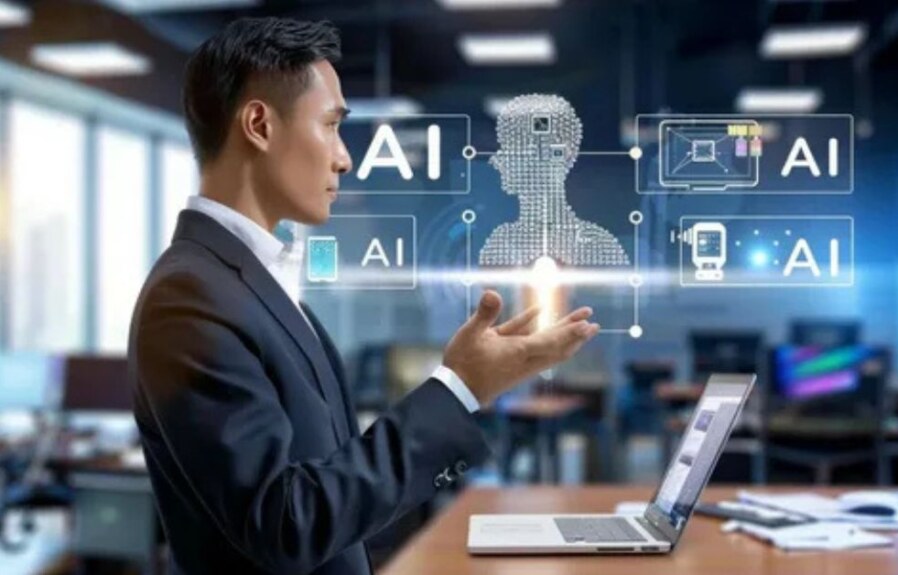
One of the most significant developments improving worker protection is the growing use of AI in construction and mining operations. Artificial intelligence systems can analyze large amounts of data from sensors, cameras, and equipment to detect potential dangers before accidents occur. For example, AI-powered monitoring systems can identify unsafe worker behavior, detect when employees enter restricted areas, or alert supervisors if someone is not wearing protective equipment. These systems help companies maintain higher safety standards while allowing managers to respond quickly to potential hazards.
Wearable safety devices are another innovation gaining popularity in both industries. Smart helmets, vests, and wristbands equipped with sensors can track worker location, monitor body temperature, and detect fatigue. In mining environments where visibility is limited and conditions are unpredictable, wearable devices can send alerts if a worker experiences sudden movement, falls, or health issues. This type of technology allows safety teams to react immediately and provide assistance if necessary. In construction sites, wearable devices can also warn workers when they are too close to heavy machinery or dangerous areas.
Drones are also playing a valuable role in improving safety practices. In construction projects, drones are used to inspect tall structures, bridges, or unstable areas without requiring workers to climb hazardous locations. Similarly, in mining operations drones can explore underground tunnels or check areas where gas levels might be dangerous. By using drones for inspections, companies reduce the need for workers to physically enter high-risk zones, which significantly lowers the chances of injury.
Another important safety innovation involves real-time environmental monitoring systems. Construction sites and mines often have risks related to dust, gas, temperature, and air quality. Advanced sensors installed across work sites continuously measure these conditions and provide real-time data to safety teams. If harmful gas levels increase in a mine or dust concentration becomes dangerous on a construction site, automated alerts are immediately triggered. This early warning system helps companies take quick action such as evacuating workers or adjusting ventilation systems.
Training and education have also improved significantly due to digital technologies. Virtual reality (VR) and augmented reality (AR) training programs allow workers to experience realistic simulations of dangerous scenarios without facing real risk. New employees can practice emergency responses, equipment operation, and hazard identification in a safe virtual environment. These training methods help workers develop better awareness and confidence before entering actual job sites. In addition, VR training allows companies to prepare workers for rare but critical situations, such as tunnel collapses or structural failures.
Automation is another major factor improving safety in modern worksites. Certain tasks that were once performed manually by workers are now handled by automated machines or remotely controlled equipment. In mining, autonomous trucks and drilling machines can operate in hazardous zones without requiring human presence. In construction, robotic equipment can assist with tasks such as demolition, bricklaying, or material transport. By reducing the need for workers to perform dangerous activities directly, automation helps lower injury rates while maintaining productivity.
Data analytics is also becoming a powerful tool for safety management. Companies are now collecting detailed information about past accidents, equipment performance, worker movement, and environmental conditions. By analyzing this data, organizations can identify patterns that lead to accidents and develop strategies to prevent them. Predictive safety systems can forecast potential risks based on historical trends, allowing companies to address problems before incidents occur.
Communication systems have also improved dramatically in modern construction and mining environments. Advanced communication networks allow workers, supervisors, and safety teams to stay connected even in remote locations. Underground mines now use specialized wireless systems that allow real-time communication and emergency alerts. On construction sites, mobile safety apps allow workers to report hazards instantly and receive safety updates directly on their devices. Faster communication helps ensure that safety concerns are addressed immediately.
Despite these technological improvements, safety culture still remains one of the most important factors in preventing accidents. Technology works best when combined with proper training, responsible management, and strong workplace policies. Companies must continue to encourage workers to follow safety procedures, report hazards, and participate in safety programs. When technology and human awareness work together, workplaces become much safer for everyone involved.
Safety innovations are transforming construction and mining industries by making worksites smarter, more efficient, and significantly safer. The integration of smart equipment, wearable technology, drones, and AI in construction systems is helping companies detect hazards earlier and respond faster. As these technologies continue to develop, they will play an even greater role in protecting workers and creating safer working environments in some of the world’s most demanding industries.