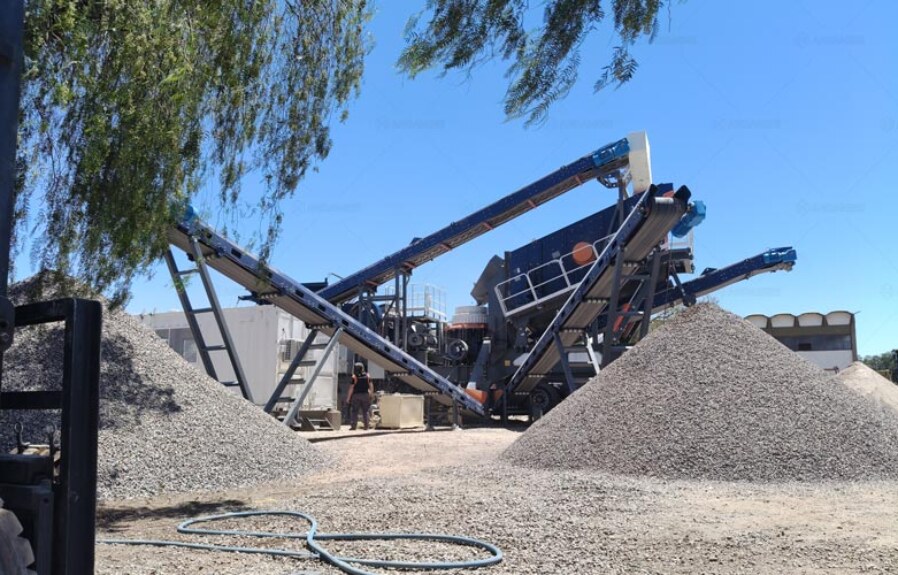
Chile stands as one of South America’s most prominent destinations for heavy processing equipment, driven by its robust mining sector and continuous infrastructure expansion. Bringing heavy-duty mineral processing machinery across international borders into Chilean ports demands a thorough understanding of maritime transport, customs documentation, and inland heavy haulage logistics.
From the arid high-altitude mining sites of the Atacama region to regional quarry operations in the central valleys, procuring a high-capacity stone crusher Chile(trituradora de piedra Chile) operators need requires careful coordination between equipment manufacturers, ocean carriers, and licensed customs brokers. Navigating national import regulations effectively ensures that project timelines are maintained and unexpected harbor holding fees are avoided.
Regulatory Framework and Documentation Requirements for Chilean Imports
Key Customs Documents and Tariff Classifications
The import process in Chile is overseen by the National Customs Service (Servicio Nacional de Aduanas). Importers must ensure all paperwork matches international commercial standards prior to vessel arrival. Accurate Harmonized System tariff classification determines applicable duty rates and import taxes.
Whether shipping individual modular components or a complete aggregate crushing plant, importers must prepare a comprehensive documentation package:
- Commercial Invoice: Detailing machine values, component breakdown, currency, and agreed Incoterms (such as CIF or FOB).
- Bill of Lading: Issued by the ocean freight carrier, outlining cargo specs, container numbers, or breakbulk volume dimensions.
- Packing List and Weight Certificates: Indicating gross and net weights for each crate or heavy chassis unit.
- Certificate of Origin: Essential for leveraging preferential duty rates under Chile’s extensive network of Free Trade Agreements.
Environmental, Technical, and Safety Compliance
Chilean customs authorities maintain strict biosecurity and environmental protection protocols. Equipment originating from overseas manufacturing hubs undergoes thorough physical inspections at the port of entry.
When importing a heavy-duty stone crusher Chile customs officials and agricultural inspectors from the Agricultural and Livestock Service examine the machinery for soil, seeds, or organic matter contamination. Wash certificates and phytosanitary clearance for timber packaging crates are mandatory. Electrical motors, control panels, and automation cabinets must also comply with national electrical safety standards to guarantee seamless grid integration upon arrival.
Port Logistics and Inland Transportation Strategies
Strategic Ocean Ports and Discharge Operations
Selecting the appropriate Chilean port depends heavily on the final job site location and equipment configuration. Port facilities like Antofagasta and Iquique serve northern mining corridors, while San Antonio and Valparaíso handle major shipments destined for central agricultural and industrial zones.
- Breakbulk Shipping: Ideal for large structural frames, oversized jaw assemblies, and heavy feed hoppers that exceed standard container dimensions.
- Flat Rack and Open Top Containers: Frequently used for heavy drive assemblies, vibratory screen decks, and conveyor sections.
- Roll-on/Roll-off Transport: Preferred for wheeled or track-mounted mobile machinery, facilitating rapid discharge at port terminals.
Proper staging at ocean terminals prevents congestion and minimizes port storage charges. Coordinated discharge plans allow heavy-lift cranes to transfer massive machine components directly from vessel holds to specialized transport beds.
Specialized Inland Heavy Haulage to Remote Sites
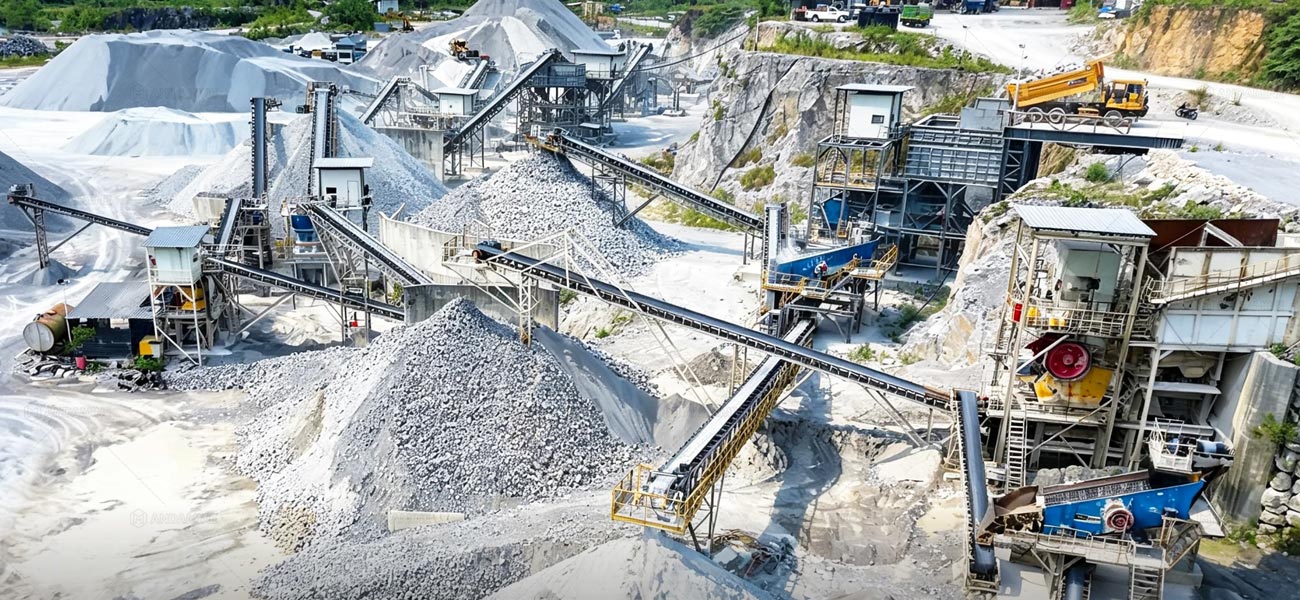
Transporting heavy processing machinery from coastal ports across Chile’s challenging topography requires dedicated overland logistics planning. Transporting a multi-stage aggregate crushing plant(planta trituradora de agregados) to high-altitude sites involves navigating steep mountain passes, narrow bridges, and unpaved site access roads.
Logistics providers must obtain oversize load permits from the Ministry of Public Works (Ministerio de Obras Públicas) for extra-wide or over-weight cargo setups. Escort vehicles, route surveys, and off-peak travel schedules are often required when hauling a large stone crusher Chile highways accommodate, preventing traffic disruptions and protecting road infrastructure.
Cost Management and Risk Mitigation Guidelines
Avoiding Demurrage and Optimizing Customs Duties
Port dwell time represents one of the largest potential cost drivers during machinery importation. Utilizing pre-clearance procedures (despacho anticipado) allows customs brokers to submit documentation prior to vessel docking, enabling faster release upon discharge.
- Verify Tariff Classification: Ensure the exact HS code matches the machinery type to avoid costly customs disputes or delays.
- Pre-Inspect Machinery Before Shipping: Perform pre-shipment industrial cleaning to ensure complete elimination of organic contaminants before ocean loading.
- Calculate Total Landed Cost: Factor in ocean freight, marine insurance, port handling tariffs, customs brokerage fees, and local value-added tax (IVA).
Partnering with Experienced Freight Specialists
Importing industrial capital goods requires close collaboration between global manufacturers and regional logistics experts. Working with a customs agent experienced in handling an aggregate crushing plant minimizes procedural errors and streamlines terminal clearance.
Detailed risk management strategies, including comprehensive marine cargo insurance and real-time GPS tracking during inland transit, safeguard valuable equipment against unexpected transit damage. Clear communication across all supply chain partners ensures the equipment arrives at the mine or quarry site ready for installation and commissioning.
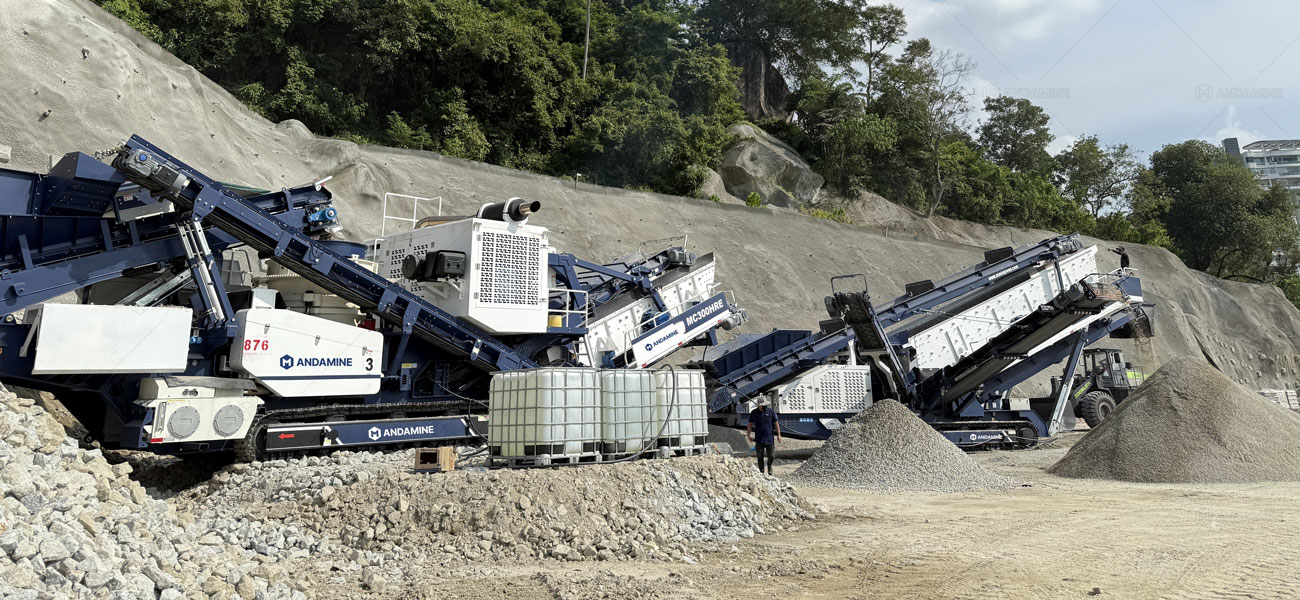
Strategic Logistics Execution for Long-Term Project Success
Successfully importing crushing equipment into Chile relies on proactive planning, accurate documentation, and specialized logistics execution. By addressing customs clearance requirements early and selecting experienced heavy transport partners, mineral producers can avoid costly port delays and streamline machine delivery. Implementing these logistical best practices ensures that imported machinery reaches its destination safely, supporting continuous production and long-term operational success across Chile’s demanding aggregate and mining sectors.