
Granite deposits rarely maintain identical geological characteristics throughout an entire mining area. Variations in mineral composition, rock strength, fracture patterns, weathering, and natural discontinuities can change how extracted material behaves during crushing. For mining operators, these differences directly affect equipment loading, throughput, wear rates, and final aggregate quality. Understanding geological variability is therefore essential when configuring granite crushing machinery and maintaining consistent production across changing mining conditions.
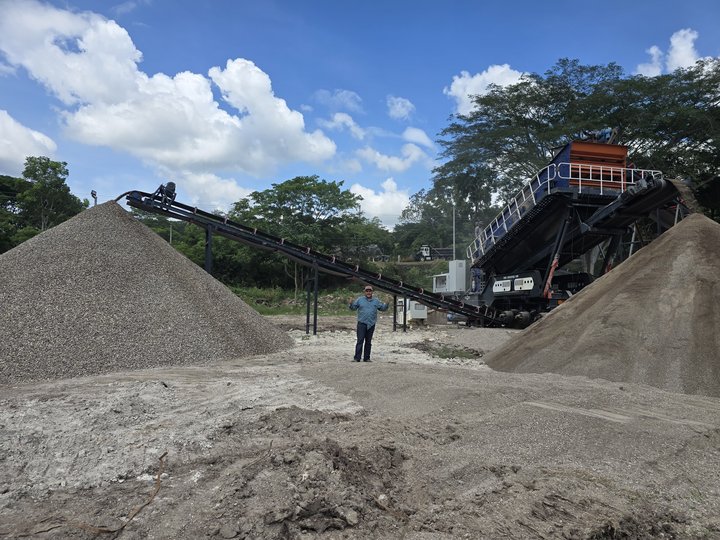
1. Variations in Rock Strength Change Crushing Requirements
Granite is generally classified as hard, abrasive rock, but its mechanical properties can vary considerably between geological zones. Differences in quartz content, mineral grain structure, and natural fractures influence compressive strength and resistance to fragmentation. Some sections may contain relatively intact rock masses, while others may have more fractured or weathered structures.
These variations affect the crushing force required to achieve the target particle size. Hard, massive granite can increase resistance during compression and place greater loads on primary and secondary crushers. More fractured material may break more easily but can generate a different particle-size distribution. Consequently, mining operators should not assume that one crusher setting will deliver identical results throughout the extraction process.
2. Geological Fractures Influence Feed Size Distribution
Natural joints, faults, and fractures determine how granite breaks during drilling and blasting. Rock masses with closely spaced discontinuities may produce smaller fragments, whereas massive formations can generate larger blocks that require additional reduction before entering the primary crusher.
Feed size distribution directly influences the workload of granite crushing machinery. An increased proportion of oversized rocks can cause irregular feeding, reduce effective crushing capacity, and create blockages when the feed exceeds equipment limitations. Conversely, excessive fines entering the crushing circuit may occupy valuable processing capacity without contributing proportionally to the production of saleable aggregate.
Mining operators can address these variations by adjusting blasting parameters, controlling excavated material size, and using suitable pre-screening arrangements. Consistent feed preparation helps maintain stable crusher loading and reduces unnecessary pressure on downstream equipment.
3. Mineral Composition Determines Abrasive Wear Rates
Granite commonly contains quartz, feldspar, and mica, but their proportions vary between deposits and geological zones. Quartz is particularly relevant to equipment wear because of its high hardness. Granite containing a higher proportion of quartz-bearing minerals can accelerate the wear of jaw plates, cone crusher liners, impact components, and other material-contact surfaces.
As wear parts deteriorate, the crushing chamber geometry gradually changes. This can affect product gradation, reduction efficiency, and the amount of recirculating material in the production circuit. Even when the crusher continues operating, declining component conditions may reduce the consistency of finished aggregate.
A practical maintenance strategy should therefore consider changes in the incoming rock, not just operating hours. Monitoring wear patterns, checking discharge sizes, and recording replacement intervals across different mining zones can help operators anticipate maintenance requirements. Selecting suitable wear-resistant materials and maintaining an adequate inventory of replacement parts also helps reduce unplanned downtime.
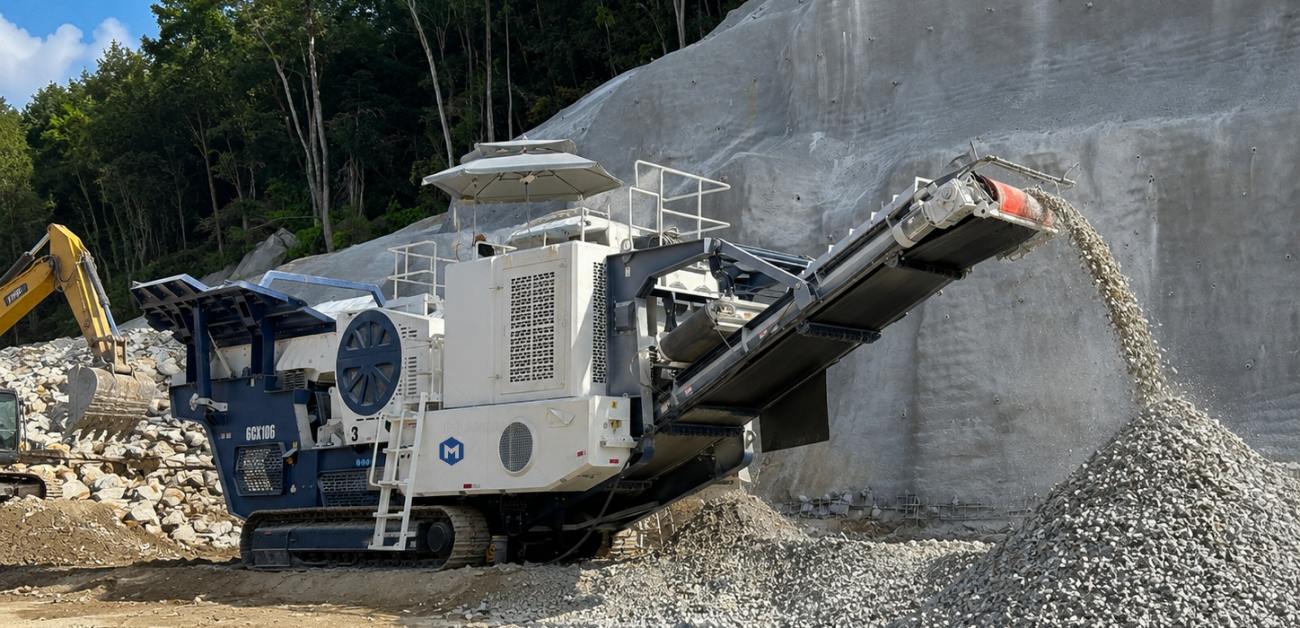
4. Weathered Granite Creates Screening and Feeding Challenges
Geological variability is not limited to rock strength and mineral composition. Weathered granite zones may contain decomposed minerals, clay, soil, and loose particles mixed with harder rock fragments. These materials behave differently from fresh granite during feeding, crushing, and screening.
High fines content can interfere with material separation, while wet and clay-rich feed may adhere to screen surfaces and reduce screening efficiency. When undersized material is not removed before crushing, it can increase unnecessary machine loading and affect the balance of the entire production circuit.
Pre-screening is one way to manage these conditions. Removing soil and naturally occurring fines before primary crushing allows the main crusher to focus on material that requires size reduction. For deposits with changing weathering conditions, adjustable feeding and screening arrangements provide additional operational flexibility.
5. Adapt Crushing Equipment to Changing Mining Conditions
A mining operation may encounter several geological zones within the same deposit. Relying on one fixed equipment configuration without considering these changes can create production imbalances. Instead, equipment selection should account for the expected range of feed sizes, rock properties, required capacity, and final product specifications.
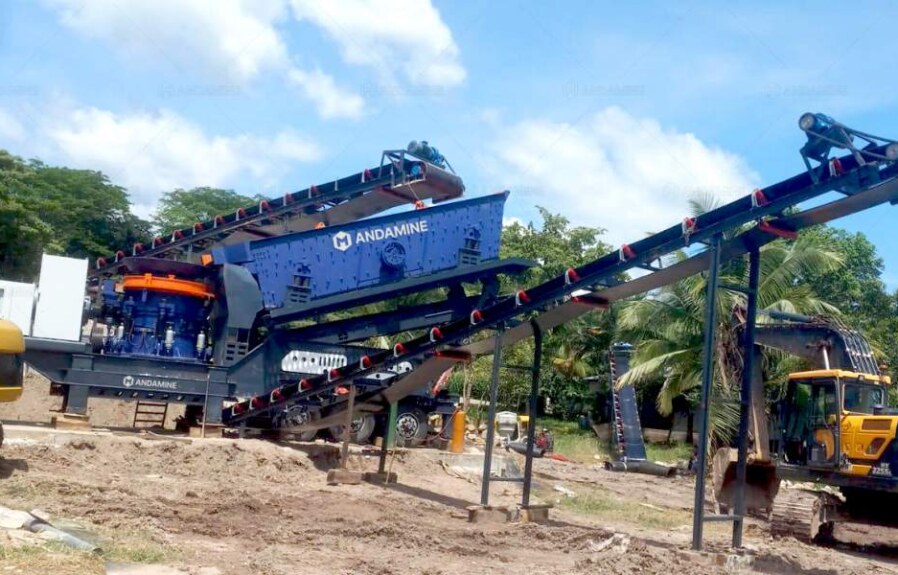
Jaw crushers are commonly used for primary reduction because their compression-based crushing mechanism is suitable for large granite feed. Cone crushers can handle secondary and tertiary reduction in hard-rock applications, while impact crushers or vertical shaft impact crushers may be considered when specific particle-shape or manufactured-sand requirements justify their use.
For mining sites where extraction areas change frequently, mobile jaw crushers can provide another operational option. Their mobility allows primary crushing equipment to move closer to different working areas, potentially reducing internal material transportation. However, the suitability of mobile equipment depends on maximum feed size, production requirements, ground conditions, relocation frequency, and the availability of downstream processing systems.
6. Geological Changes Require Continuous Production Monitoring
Geological variability can gradually affect plant performance even when operators do not make obvious changes to the equipment. A harder rock zone may increase power demand and wear rates, while a fractured zone may generate more undersized material. If these changes are not identified early, production targets and product specifications can become difficult to maintain.
Operators should monitor several indicators together:
-
Feed characteristics: Record changes in rock hardness, moisture, oversized material, and fines content.
-
Crusher performance: Track throughput, power consumption, chamber loading, and discharge size.
-
Wear conditions: Inspect liners, jaw plates, and other wear components at appropriate intervals.
-
Screening efficiency: Check whether finished products meet the required particle-size distribution.
-
Product yield: Compare the proportion of saleable aggregate produced from different geological zones.
Combining these observations provides a more accurate understanding of how geological conditions influence overall plant performance. It also helps distinguish problems caused by changing raw materials from those caused by equipment deterioration or process bottlenecks.
7. Coordinate Mine Planning With Crushing Plant Capacity
The performance of a mining crushing plant depends on more than the specifications of individual machines. Drilling, blasting, excavation, transportation, feeding, crushing, and screening must operate as a coordinated system. Geological changes that affect one stage can create bottlenecks throughout the production chain.
For example, blasting that produces excessive oversized rocks may increase the workload of the primary crusher. If secondary crushing and screening capacity remain unchanged, the additional material may accumulate in the processing circuit rather than increasing finished aggregate output. Similarly, extracting a weathered zone without adjusting pre-screening arrangements can reduce the efficiency of downstream equipment.
Mining planners should therefore incorporate geological information into production scheduling and equipment management. Mapping rock characteristics, identifying changes in deposit conditions, and forecasting feed properties can help determine when adjustments to blasting, crusher settings, or material-handling arrangements are necessary.
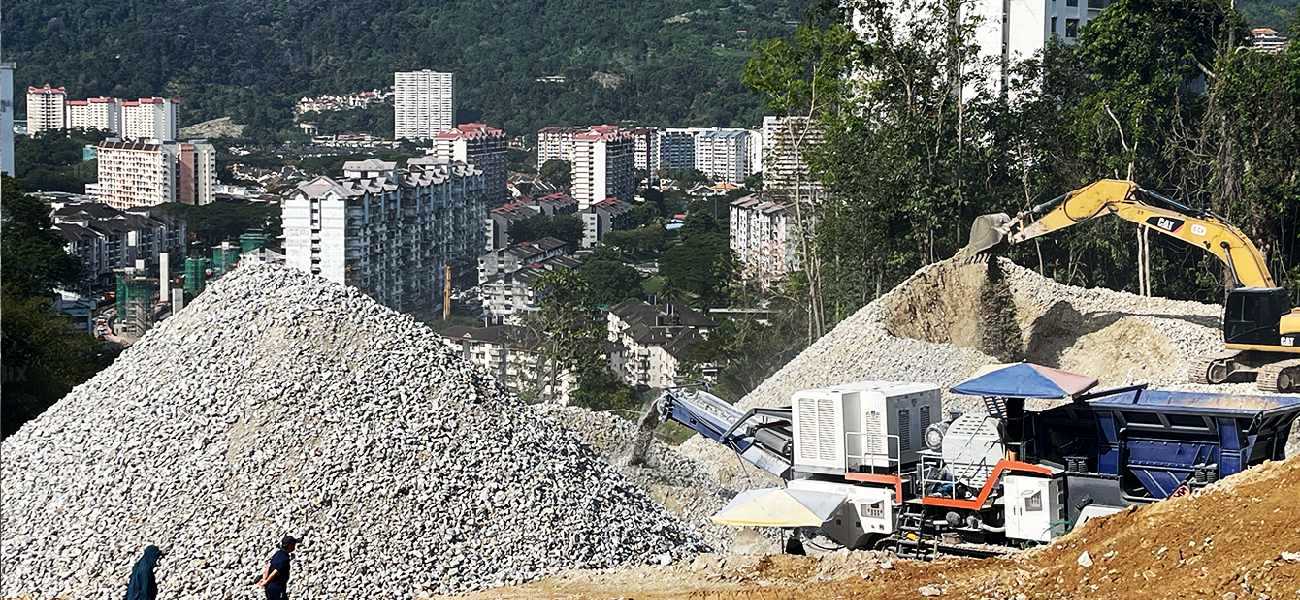
Conclusion
Geological variability is an important factor influencing the performance, operating costs, and production stability of granite mining plants. Differences in rock strength, mineral composition, fracture patterns, and weathering conditions can change crushing requirements, accelerate equipment wear, and affect finished aggregate quality. By combining geological assessment with appropriate granite crushing machinery, flexible feeding arrangements, preventive maintenance, and continuous performance monitoring, mining operators can maintain more consistent production as extraction conditions change. The goal is not simply to install higher-capacity crushers, but to build a processing system capable of adapting to the actual characteristics of the rock being mined.