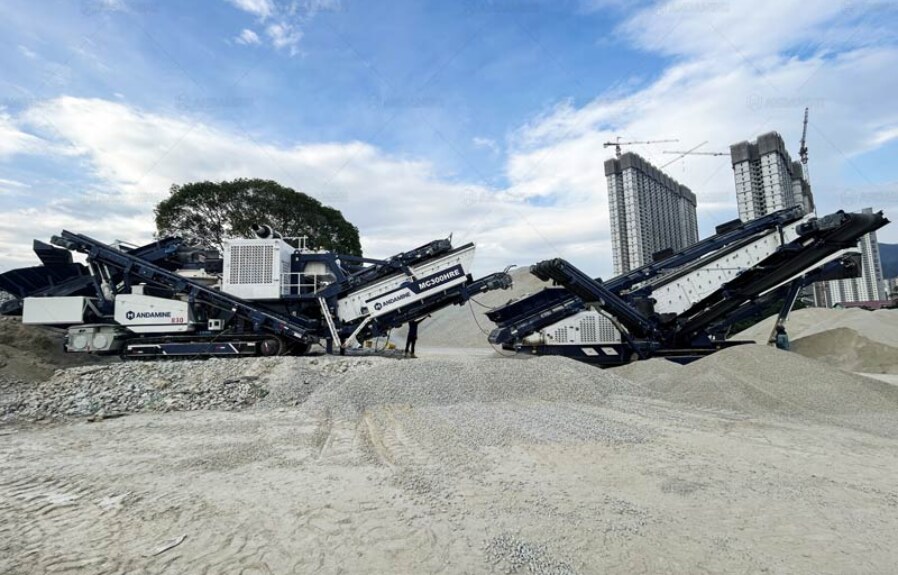
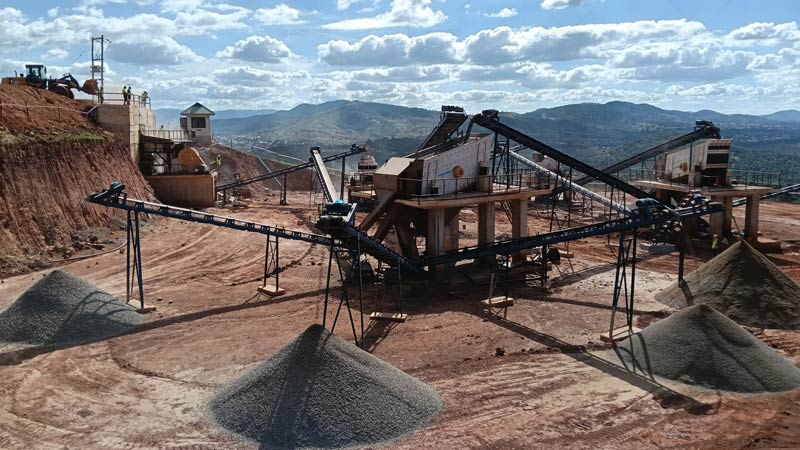
Operating quarrying machinery in isolated environments presents severe logistical and technical challenges. When aggregate processing takes place far from urban supply hubs, routine equipment checks become the main line of defense against costly downtime. Maintaining a modern portable stone crusher requires a disciplined maintenance strategy tailored to remote working environments. Implementing proactive maintenance protocols ensures that site operators can maintain high output rates, protect vital crushing components, and avoid project delays.
Establishing a Proactive Maintenance Routine for Isolated Quarries
Isolated aggregate operations cannot rely on immediate delivery of spare parts or rapid on-site technician service. Preventive care must be integrated into daily shifts to keep machinery functioning at peak efficiency.
Priority Daily Inspection Checkpoints
- Lubrication Systems: Check grease lines, bearing temperature sensors, and automated oiler levels before startup.
- Conveyor Belt Integrity: Inspect belts for tears, misalignment, or trapped debris that could damage drive rollers.
- Wear Liner Condition: Monitor jaw plates, blow bars, or cone mantles for uneven wear patterns.
When utilizing a heavy-duty stone crusher for gravel, dust and abrasive particulate matter can rapidly degrade hydraulic seals and air intake filters. Daily dust suppression checks and intake filter cleanouts prevent fine particles from causing premature engine failure.
Managing Multi-Stage Crushing Equipment in Off-Grid Sites
Remote quarries often run complex processing circuits combining primary jaw crushers with secondary units such as a rod mill or cone crusher to meet strict product specifications. Synchronizing maintenance across all stages ensures continuous production workflow.
Balancing Fine and Coarse Material Processing
Secondary grinding machinery like a rod mill requires regular structural checks, as grinding media movement exerts heavy rotational stress on shell liners and drive assemblies. Maintaining proper rod charge levels prevents liner damage and ensures consistent material reduction before fine screening.
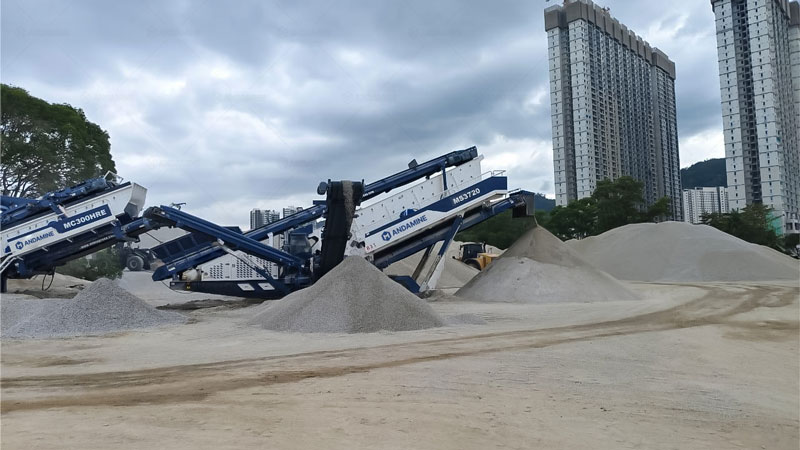
Similarly, maintaining a flexible portable stone crusher(trituradora de piedra portátil) involves monitoring track tension and hydraulic folding mechanisms. Because these units move across rugged quarry floors, chassis fatigue and hydraulic leak checks are vital during every machine repositioning cycle.
Optimizing Spare Parts Inventory and On-Site Logistics
stocking every possible spare component on site is financially impractical, but running completely lean carries immense operational risk in remote locations.
Essential On-Site Spare Parts Checklist
- High-Wear Fasteners: Wedge bolts, liner clamps, and conveyor skirt clamps.
- Hydraulic System Components: High-pressure hoses, quick-connect fittings, and seal kits.
- Electrical Components: Relays, emergency stop switches, and replacement sensor units.
Using a versatile stone crusher for gravel(trituradora de piedra para grava) production often means dealing with varying feed hardness, which alters wear rates on impact elements. Keeping spare wear plates readily accessible ensures that worn liners can be replaced during planned maintenance windows rather than after a total structural breakdown.
Engine and Hydraulic System Maintenance under Extreme Conditions
Unfiltered ambient air in dust-heavy remote quarries quickly degrades engine oil and hydraulic fluids. Managing fluid health is critical for extending equipment lifespan.
Fluid Management Protocol
- Oil Sampling: Conduct bi-weekly oil sampling to detect metal shavings or coolant contamination early.
- Filter Replacement: Replace hydraulic return filters at recommended hour intervals regardless of visual cleanliness.
- Temperature Control: Ensure hydraulic coolers and radiator fins remain free from dust accumulation.
A high-performance portable stone crusher relies heavily on clean hydraulic power to adjust discharge settings and run auxiliary feeders. Contaminated fluid compromises valve response times and can lead to expensive pump failure.
Integrating Operator Training and Maintenance Telematics
Even in off-grid sites, modern telemetry tools provide valuable performance data that helps site managers anticipate mechanical issues before they disrupt production.
Empowering Field Crews Through Specialized Protocols
Training operators to recognize early warning signs—such as unusual vibration, abnormal noise patterns, or elevated operating temperatures—is essential. When processing hard aggregates with a dedicated stone crusher for gravel, minor changes in sound often indicate loose liner bolts or uncrushable tramp iron trapped in the crushing chamber.
Combining operator awareness with periodic inspections of grinding equipment like a rod mill(molino de barras) ensures that every link in the processing chain stays reliable. This integrated operational approach maximizes aggregate output while extending the overall service life of heavy machinery in remote quarry sites.
Driving Operational Reliability in Challenging Environments
Maintaining processing machinery in remote locations requires clear schedules, strategic spare parts planning, and vigilant fluid monitoring. By treating maintenance as an ongoing operational strategy rather than a reactive necessity, quarry managers can overcome the geographic isolation of off-grid sites. Whether operating a heavy-duty rod mill for fine material processing or moving a portable stone crusher between multiple job sites, disciplined equipment care guarantees consistent throughput, preserves capital investment, and keeps aggregate production profitable.