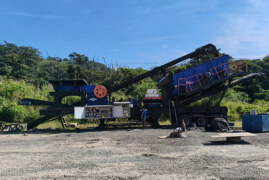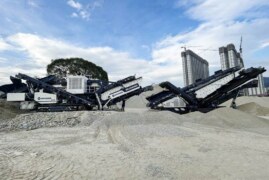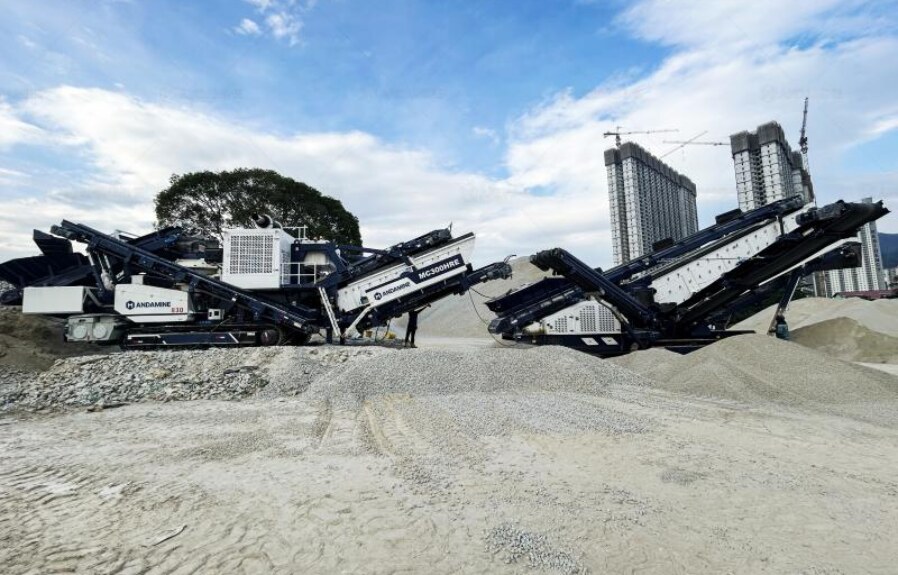
Mine-to-mill optimization focuses on improving the efficiency of the entire mining process, from ore extraction and blasting to crushing, grinding, and mineral recovery. Within this process, a track crusher can play an important role by reducing run-of-mine (ROM) material to a more manageable size before it enters downstream processing equipment. Consistent feed size helps stabilize crushing and grinding operations, reduces unnecessary energy consumption, and supports better utilization of processing capacity. Rather than evaluating crushing equipment in isolation, mining operators should consider how primary and secondary crushing performance influences the productivity of the entire mineral processing circuit.
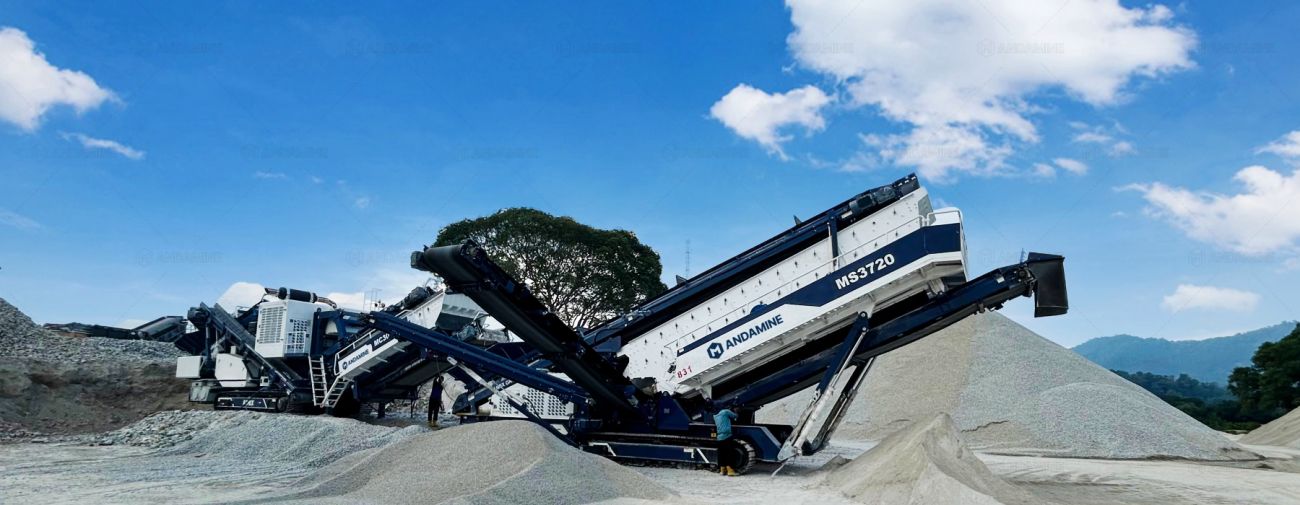
1. Why Feed Size Consistency Matters in Mine-to-Mill Optimization
The size distribution of incoming ore directly affects downstream processing performance. When ROM material contains excessively large rocks, the crushing circuit may struggle to maintain stable throughput. Meanwhile, excessive fines can increase material handling challenges and affect the performance of certain processing stages.
In grinding operations, feed size consistency is particularly important. Large variations in particle size can create uneven grinding conditions, potentially increasing energy demand and making it more difficult to maintain the desired product size. Properly designed crushing stages help narrow the feed size distribution and prepare ore for more predictable grinding.
For this reason, mine-to-mill optimization requires coordination between blasting, primary crushing, secondary crushing, and grinding. A track crusher can support this objective by providing flexible crushing capacity close to the extraction area, reducing the need to transport oversized material over long distances before processing.
2. How Track Crushers Improve Primary Ore Size Reduction
Track-mounted crushers are designed to move between working areas without requiring the permanent foundations associated with conventional stationary installations. This mobility makes them useful in open-pit mines where excavation locations and material handling routes change over time.
A tracked jaw crusher is commonly used for primary crushing because its relatively large feed opening allows it to process sizable ROM rocks. By reducing large fragments near the extraction point, it can help prepare material for secondary crushing or direct transfer to an existing processing plant, depending on the required feed specifications.
For harder and more abrasive ores, equipment selection should consider crushing force, wear resistance, feed opening, and expected throughput. Granite, copper-bearing ores, and other hard rock materials may require robust jaw crushing configurations followed by suitable secondary crushing equipment. The objective is not simply to achieve the highest possible output but to deliver a consistent material size that matches downstream processing requirements.
3. Integrating Track Crushers with Secondary Crushing and Screening
Primary crushing alone may not produce the particle size required for grinding. A multi-stage crushing arrangement can provide better control over material reduction and improve the consistency of the final crusher discharge.
A typical process may involve:
- Primary crushing: A tracked jaw crusher reduces large ROM rocks into smaller fragments.
- Secondary crushing: A cone crusher further reduces the material to the required intermediate size.
- Screening: Vibrating screens separate particles according to specified size ranges.
- Oversize recirculation: Material exceeding the target screen size returns to the crusher for additional reduction.
This arrangement helps prevent oversized particles from entering downstream grinding equipment. It also allows mining operators to adjust crushing settings and screening specifications according to ore characteristics and processing requirements.
However, the ideal configuration depends on the mineral processing plant’s design. Excessive crushing stages may increase capital investment and maintenance requirements without delivering meaningful improvements. Operators should determine the required crusher discharge size through process analysis rather than automatically adding more equipment.
4. Balancing Crushing Energy and Grinding Efficiency
One important principle of mine-to-mill optimization is distributing energy consumption effectively between blasting, crushing, and grinding. Crushing and grinding are both energy-intensive operations, but they perform different size-reduction functions.
If primary crushing produces excessively coarse material, downstream equipment may need to perform additional work to achieve the required grinding size. Conversely, unnecessarily fine crushing may consume more energy and increase wear costs without improving overall processing efficiency.
The goal is to establish an appropriate crushing product size that allows the grinding circuit to operate efficiently. This requires consideration of ore hardness, mineral texture, fragmentation characteristics, and the capacity of downstream mills.
Track crushers can contribute to this balance by allowing primary crushing operations to be positioned closer to material extraction areas. Nevertheless, their effectiveness depends on correct equipment selection, stable feeding, appropriate crusher settings, and coordination with the downstream processing plant.
5. Key Factors When Selecting a Track Crusher for Mining
Choosing a track crusher for mine-to-mill applications requires more than comparing nominal production capacities. Several technical factors determine whether the equipment can deliver the required feed material consistently.
Ore characteristics: Hardness, abrasiveness, moisture content, and mineral composition influence crusher selection and wear-part consumption.
Maximum feed size: The crusher’s feed opening must accommodate the actual ROM material size. Oversized rocks may require additional breaking before entering the crushing chamber.
Target discharge size: The required particle size should be determined by the specifications of secondary crushing, screening, and grinding equipment.
Production capacity: The crusher’s actual operating output should match the processing plant’s demand, accounting for material properties, operating availability, and feeding conditions.
Site mobility: Mine layout, haulage routes, terrain, and relocation frequency determine whether tracked equipment offers practical advantages over stationary or semi-mobile installations.
These factors should be evaluated together to avoid purchasing a crusher that has sufficient rated capacity but cannot consistently meet the required material specifications.
6. Applying Mobile Crushing Solutions to Different Mining Environments
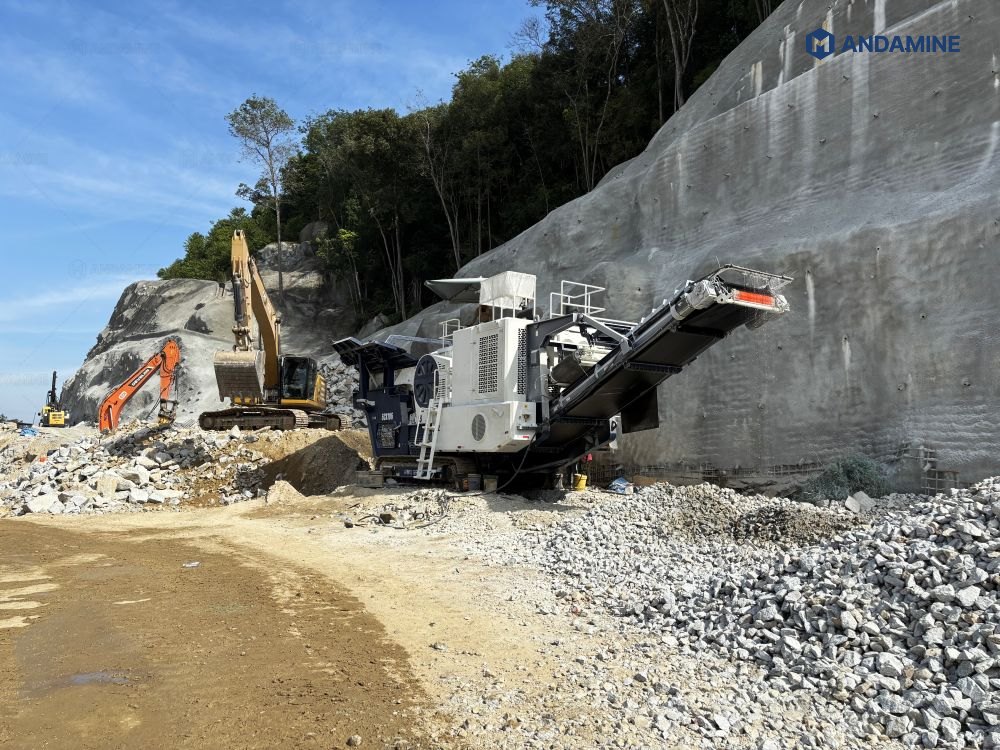
Mining projects differ in terrain, ore characteristics, transportation distances, and processing infrastructure. A tracked crushing plant may be particularly useful in expanding open-pit mines, temporary extraction areas, and remote projects where permanent crushing installations are difficult to justify.
In Southeast Asia, for example, mining and quarrying projects may involve hard rock, humid operating environments, and challenging material transportation conditions. Contractors evaluating a mobile crusher Malaysia solution should consider not only the equipment’s mobility but also its ability to process local materials, withstand site conditions, and maintain reliable production.
For large-scale operations, a tracked primary crusher may work alongside stationary secondary crushing and grinding facilities. This hybrid arrangement combines flexible extraction-area crushing with the processing capacity of an established mineral plant. It can be more practical than replacing an entire stationary processing circuit with mobile equipment.
Conclusion
Track crushers can support mine-to-mill optimization by reducing oversized ROM material, improving feed consistency, and bringing primary crushing closer to extraction areas. However, their contribution depends on how effectively crushing operations are integrated with screening, secondary reduction, and downstream grinding. Mining operators should evaluate ore properties, target feed size, production demand, and total energy consumption before selecting an equipment configuration. With properly coordinated crushing stages, a suitable track crusher can help create more stable processing conditions and improve the overall efficiency of mineral production.