Latin America has emerged as one of the most dynamic regions for construction and mining activities. Growing infrastructure investments, rapid urbanization, and government initiatives for road development have fueled the demand for aggregates across the region. With this demand comes significant opportunities for businesses and investors to expand into the aggregate industry. However, investing in an aggregate crusher plant in Latin America also presents challenges that require careful consideration.
Growing Demand For Aggregates In Latin America
Latin America’s construction sector is expanding, driven by major road, port, and housing projects. Countries like Brazil, Peru, and Mexico are investing heavily in upgrading their infrastructure to support economic growth. This has created a rising demand for aggregates such as sand, gravel, and crushed stone.
The need for reliable crushing equipment is therefore increasing. Aggregate plants equipped with modern crushers are essential to meet the volume and quality requirements of the market. Mobile and stationary plants alike are being deployed to provide consistent supply, particularly in regions with rapidly expanding urban centers.
Opportunities For Investors
Expanding Infrastructure Projects
Governments across Latin America are prioritizing infrastructure development to boost regional connectivity. Large road networks, railway projects, and hydroelectric dams all require enormous quantities of aggregates. By investing in an aggregate crusher plant(planta trituradora de agregados), companies can secure a steady demand pipeline from both public and private sectors.
Rise Of Sustainable Construction
Sustainability is becoming more prominent in Latin America’s construction industry. Recycling of materials, including the use of a concrete crusher, is gaining traction as contractors seek to reduce environmental impact and comply with stricter regulations. Investors can capitalize on this shift by offering plants capable of both traditional aggregate production and recycled aggregate processing.
Growing Mining Activities
Beyond construction, the mining industry in countries such as Chile and Peru also creates demand for aggregates. Mines often require significant road and facility construction, making crushers critical for supporting these operations. This dual demand from both construction and mining increases the long-term value of investing in crushing plants.
Challenges Facing Aggregate Plant Investments
Regulatory And Environmental Barriers
Latin American countries are tightening environmental regulations. Establishing a new plant may involve complex approval processes, including environmental impact assessments. Investors must prepare for potential delays and higher compliance costs. At the same time, aligning with sustainability initiatives can improve project approval chances and long-term acceptance by local communities.
Infrastructure And Logistics Limitations
While urban areas have growing demand, many aggregate sources are located in remote or mountainous regions. Transporting equipment to these areas or moving aggregates to end users can be challenging and costly. Mobile crushing solutions can address some of these issues, but logistical planning remains a significant factor.
Fluctuating Economic And Political Conditions
Investors in Latin America must consider the volatility of the region’s economies and political environments. Currency fluctuations, changing tax policies, and political instability in some countries may affect investment returns. Thorough market research and risk management strategies are essential.
Best Practices For Successful Investment
Assess Local Demand And Supply Gaps
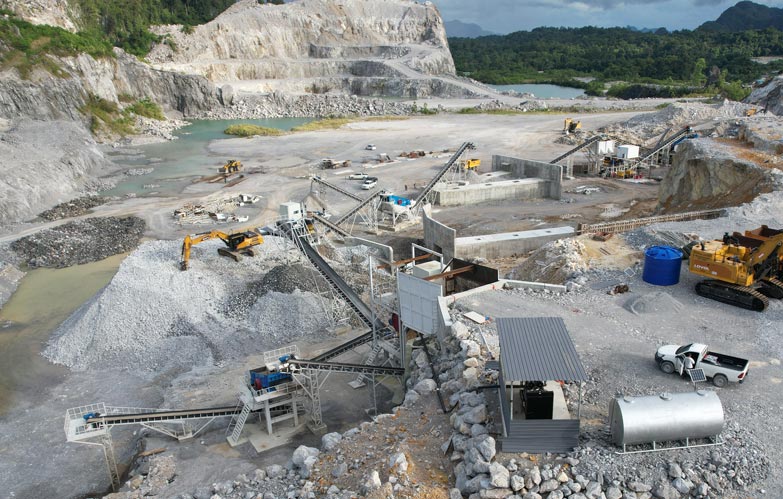
Before establishing an aggregate crusher plant, it is crucial to evaluate local demand, competition, and supply chain dynamics. Identifying regions with strong infrastructure development but limited local production capacity can provide a competitive advantage.
Choose Flexible And Scalable Equipment
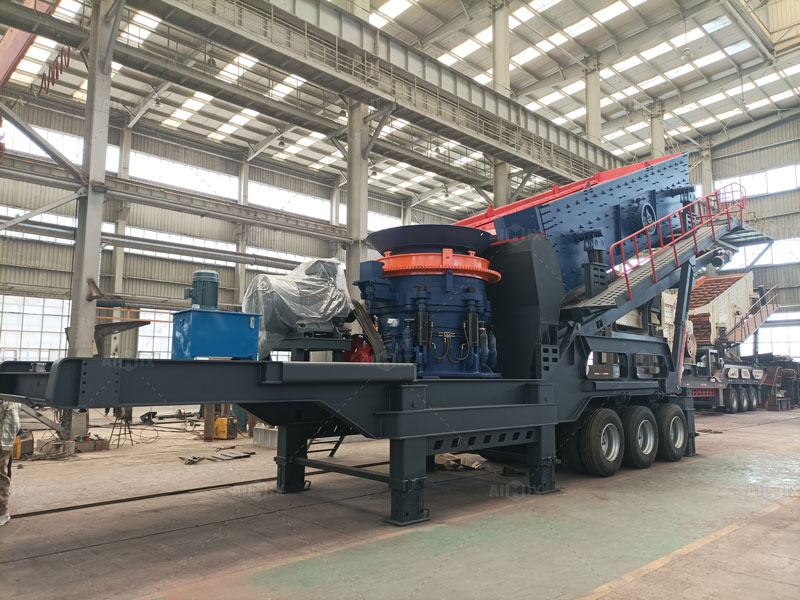
Given the variety of projects in Latin America, investing in modular and mobile crushing solutions ensures adaptability. A plant that can incorporate different types of crushers, such as a concrete crusher(trituradora de hormigón) for recycling and a cone crusher for hard stone, will allow investors to diversify operations and respond to changing market needs.
Partner With Reliable Local Stakeholders
Collaborating with local contractors, suppliers, and distributors can ease entry into the market. These partnerships can also help navigate local regulations and cultural differences, making investment operations smoother and more efficient.
Future Outlook For Aggregate Plants In Latin America
The outlook for aggregate crushing plants in Latin America remains promising. Population growth, continued urbanization, and regional trade agreements will drive sustained demand for infrastructure. At the same time, sustainability and recycling trends will create opportunities for investors who integrate eco-friendly technologies into their operations.
However, success in this sector will depend on balancing opportunities with challenges. Strategic planning, careful equipment selection, and proactive risk management will determine whether investors can thrive in this competitive landscape.
Conclusion
Latin America presents significant growth opportunities for investors in the aggregate industry, supported by rising infrastructure projects and evolving construction practices. An aggregate crusher plant can serve as a foundation for entering this market, while the use of a concrete crusher adds value through recycling and sustainability.
While challenges such as regulations, logistics, and economic volatility exist, these can be managed with careful planning and strong local partnerships. By aligning with market trends and prioritizing efficiency, investors can secure long-term success in Latin America’s growing aggregate industry.