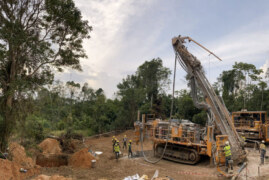
The construction and mining industries are increasingly focused on sustainability, safety, and efficiency, making compliance and certification a key priority for aggregate plant operations. Meeting both regional and international standards ensures that plants can operate legally, reduce environmental impact, and maintain competitiveness in global markets. For companies planning to invest in or upgrade an aggregate plant, understanding the certification process is critical for long-term success.
The Importance Of Compliance In Aggregate Plant Operations
Compliance is more than a legal requirement; it reflects a company’s commitment to safety, environmental responsibility, and operational excellence. Non-compliant operations can face fines, project delays, and reputational damage, while certified facilities often enjoy easier access to financing, partnerships, and international markets.
Regional standards typically focus on environmental impact, such as dust control, noise reduction, and water management. International certifications, on the other hand, emphasize quality management, safety protocols, and sustainability practices. Companies that meet both sets of standards position themselves as reliable partners in both local and global projects.

Regional Certification Requirements
Regional certification is the first step for any aggregate plant seeking to operate legally. Requirements vary by country but generally cover environmental protection, worker safety, and equipment standards.
Environmental Compliance
Authorities often mandate dust suppression systems, water recycling, and emissions control. Implementing these measures reduces the environmental footprint of the plant and ensures compliance with local regulations. Failure to meet these standards can result in shutdowns or fines.
Safety And Operational Standards
Safety inspections and equipment certifications are crucial for worker protection. Plants must ensure that crushers, conveyors, and screening machines are installed and maintained according to prescribed guidelines. Proper documentation is also required to demonstrate adherence to occupational health and safety regulations.
Licensing And Permits
Obtaining necessary licenses and permits is essential for legal operations. This includes land use permits, environmental impact approvals, and operational licenses issued by local authorities. Having all certifications in place streamlines inspections and audits, providing reassurance to investors and contractors.
International Standards And Their Benefits
Beyond regional compliance, adopting international standards enhances credibility and operational efficiency. Certifications such as ISO 9001 (quality management), ISO 14001 (environmental management), and ISO 45001 (occupational health and safety) provide a structured framework for best practices.
Quality Management
ISO 9001 certification ensures consistent product quality and efficient processes within the aggregate plant(planta de agregados). This helps reduce material waste, improve reliability, and meet client specifications, especially for international construction projects.
Environmental Sustainability
ISO 14001 focuses on minimizing environmental impact. Implementing these standards in aggregate production demonstrates a commitment to sustainable practices, which can be a differentiator in competitive markets.
Safety And Worker Protection
ISO 45001 emphasizes safety and health management systems, reducing workplace accidents and ensuring regulatory compliance. Plants that follow these protocols not only protect employees but also reduce insurance costs and legal liabilities.
Practical Steps For Achieving Compliance
For an aggregate plant, achieving full compliance requires a systematic approach:
- Conduct a thorough audit to identify gaps in existing operations
- Implement necessary technological upgrades, such as dust suppression systems and automated monitoring
- Train employees on safety and operational protocols
- Maintain detailed documentation for audits and inspections
- Engage with certified third-party auditors to verify compliance with international standards
By following these steps, operators can ensure that their plant meets both local and global requirements, enhancing market access and operational efficiency.

Strategic Advantages Of Compliance
Certified aggregate plants gain several long-term benefits:
- Improved credibility with contractors, clients, and investors
- Access to international project opportunities
- Reduced operational risks and environmental liabilities
- Enhanced efficiency through structured management systems
Compliance also supports sustainability goals and strengthens the company’s brand image in a competitive market.
Conclusion
Navigating the compliance landscape is essential for modern aggregate plant operations. By meeting regional certification requirements and adhering to international standards, operators can ensure legal operation, environmental responsibility, and market competitiveness. Companies that invest in compliance not only reduce risks but also position themselves as leaders in the evolving construction and mining industries, capable of delivering high-quality, sustainable aggregate materials on a global scale.