The rapid growth of infrastructure, mining, and urban development across Latin America continues to drive strong demand for high-quality aggregates. As contractors, quarry owners, and mining operators expand their capacity, the question becomes increasingly clear: what is the most cost-effective investment model for a modern crushing plant?
In regions like Peru, Colombia, Chile, and Mexico, fuel cost volatility and labor market variations significantly influence the operating expenses of a stone crusher plant. Understanding how these two factors shape long-term profitability is essential for companies seeking sustainable growth. This article provides a practical, data-driven analysis tailored to Latin American conditions, helping investors choose the smartest model for their specific market.
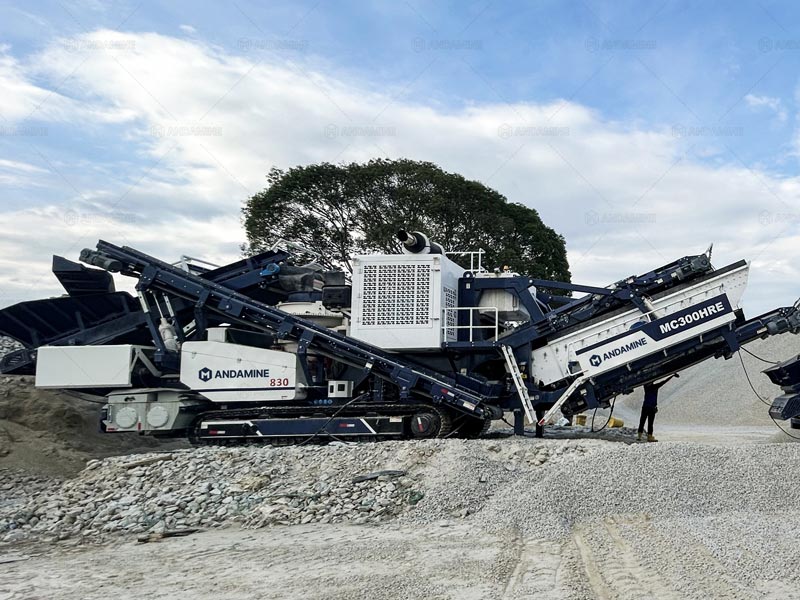
Fuel Cost Dynamics in Latin American Crushing Operations
Why Fuel Consumption Matters More in Latin America
Fuel is often the single largest operating expense for mobile and semi-mobile crushing plants. In many Latin American regions—particularly remote mining zones—fuel prices fluctuate sharply due to transportation challenges, import dependency, and macroeconomic instability.
A stone crusher plant(planta trituradora de piedra) operating with diesel-driven components can spend 30–45% of total operating costs on fuel alone. This means that small efficiency changes create significant long-term impact.
Diesel vs. Electricity: Finding the Better Option
When comparing diesel-powered and electric-powered crushing plants, the investment model should consider three realities:
-
Remote Areas Prefer Diesel
Remote quarry sites located in mountainous regions of Peru or northern Mexico often lack stable power infrastructure. Diesel-powered plants offer the flexibility required in such environments. -
Urban and Semi-Urban Areas Benefit from Electrification
When grid electricity is accessible, electric crushers can reduce fuel costs by up to 60%, directly improving profitability. -
Hybrid Models Are the Future
Many contractors adopt hybrid solutions featuring:- electric motors for core crushing
- diesel gensets as backup power
- smart control systems to optimize consumption
This combination reduces operating expenses while retaining mobility and flexibility.
Fuel Efficiency as a Competitive Advantage
Choosing fuel-efficient equipment, intelligent engine management, and optimized material flow can save thousands of dollars annually. In Peru, where operational budgets are extremely sensitive, these efficiencies strongly influence the overall stone crusher price in Peru and the investment appeal of different models.
Labor Cost Structure Across Latin America
Labor Availability and Its Regional Variation
Latin America has a diverse labor market:
- Peru and Bolivia: lower labor costs but limited skills in remote zones
- Chile and Brazil: higher labor costs but more skilled operators
- Colombia and Mexico: strong construction workforce but rising wages
When selecting an investment model, companies must balance both cost per worker and skill availability.
Automation Reduces Labor Dependency
Modern crushing plants integrate advanced automation such as:
- sensor-based feed control
- automated lubrication systems
- remote monitoring
- intelligent screening adjustments
These features reduce the number of required operators from 6–8 to 3–5 people, dramatically lowering labor expenses.
Automation also reduces operational errors, equipment damage, and downtime—key concerns for plants processing abrasive limestone or hard Andes materials.
Training as a Long-Term Investment
Companies that invest in local workforce training see improvements in:
- safety performance
- fuel efficiency
- operations stability
- maintenance quality
This model creates long-term savings, especially in remote Peruvian mining sites where experienced operators are scarce.
Choosing the Best Investment Model for Your Crushing Plant
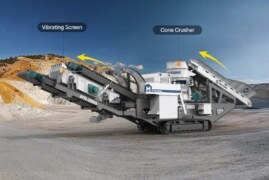
Model 1: Fully Mobile Crushing Plants
Best For:
Short-term projects, contractors moving between multiple job sites, remote infrastructure projects.
Advantages:
- Quick setup and relocation
- Lower upfront cost
- Perfect for remote mining regions
Challenges:
- Higher diesel consumption
- Higher long-term operating costs
- More labor-intensive than automated fixed plants
This model works well if mobility is more important than ultimate efficiency.
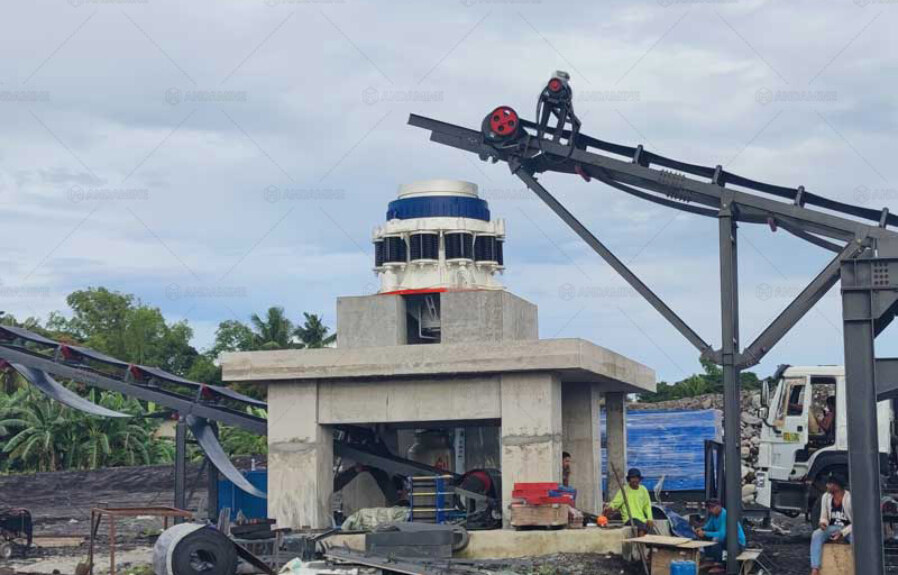
Model 2: Stationary or Semi-Stationary Plants
Best For:
Large-scale quarries, long-term mining operations, and high-volume commercial aggregate supply.
Advantages:
- Lowest cost per ton produced
- Ideal for electricity-powered operations
- High degree of automation
Challenges:
- Higher initial investment
- Requires reliable infrastructure
For markets like Peru, where long-term aggregate supply is strong, this model offers superior ROI.
Model 3: Hybrid Energy Crushing Plants
Best For:
Operators seeking a balance between mobility and energy efficiency.
Advantages:
- Reduced fuel cost through electric drive systems
- Diesel backup for off-grid locations
- Lower labor dependency due to smart automation
Challenges:
- Mid-range capital investment
- Requires technical support to maintain hybrid modules
This model is increasingly preferred in Latin America due to its stability and long-term cost reduction.
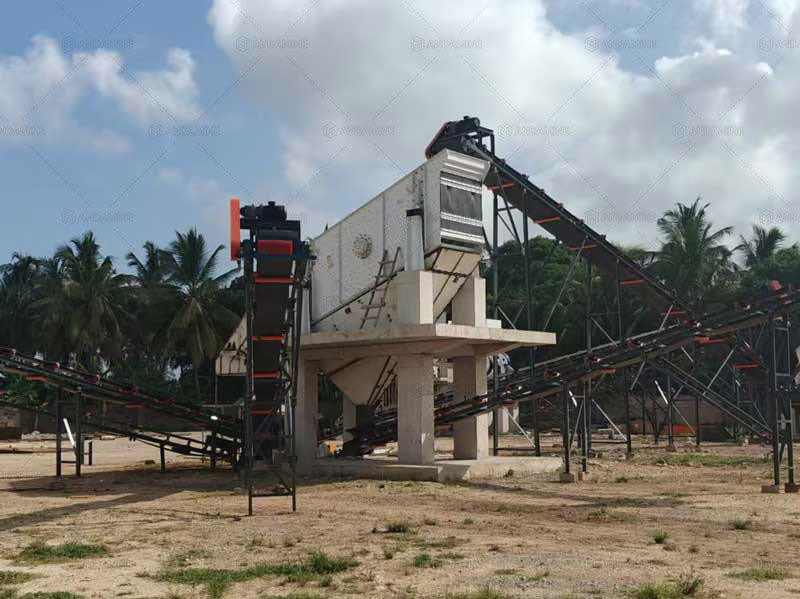
Practical Recommendations for Investors in Latin America
1. Choose Energy Sources Based on Project Geography
- Remote Andes mountains → diesel or hybrid
- Urban Lima or Santiago → fully electric
2. Calculate Total Cost of Ownership, Not Just Purchase Price
This is where external links to topics like stone crusher plant selection or stone crusher price in Peru(precio de chancadora de piedra en Perú) help buyers understand full lifecycle costs.
3. Prioritize Automation to Reduce Labor Risks
Automation protects against:
- workforce shortages
- rising labor costs
- operational inefficiencies
4. Consider Local Fuel Subsidies or Tax Incentives
Some Latin American countries offer energy-related subsidies that reduce OPEX.
5. Work With Suppliers Offering Full After-Sales Support
This ensures:
- operator training
- preventive maintenance
- fuel optimization
- performance monitoring
Conclusion
Choosing the best investment model for crushing plants in Latin America requires balancing fuel consumption, labor cost, energy availability, automation levels, and geographic realities. Diesel remains essential in remote operations, while electrification is the clear winner in urban and semi-urban regions. Hybrid options, meanwhile, offer the flexibility and efficiency needed for long-term competitiveness.
For investors, the key is to evaluate both upfront capital and lifetime operating expenses, ensuring your stone crusher plant maximizes productivity while minimizing risks. With thoughtful planning and smart technology adoption, operators across Latin America can build crushing solutions that deliver sustainable and profitable results for decades.