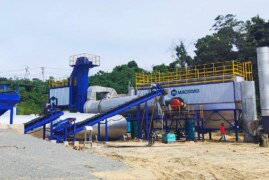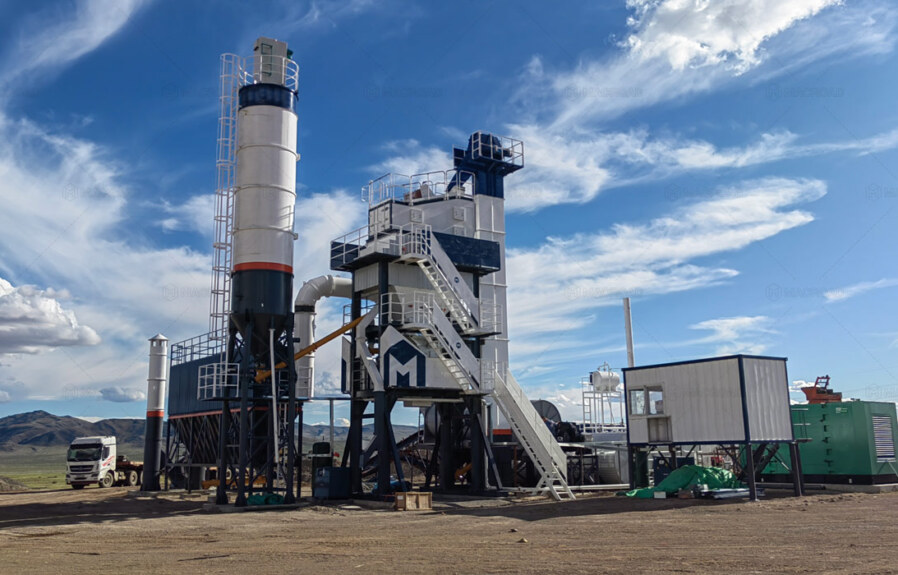
The asphalt mixer plant is vital for producing high-quality asphalt mixtures, especially in challenging environments such as high-altitude highway construction. The precision batching hoppers and heat preservation cladding in asphalt batch mixing plants play a crucial role in enhancing mixture uniformity and temperature stability. This article examines how these features improve asphalt production amidst low atmospheric pressure, ensuring reliable performance in demanding conditions.
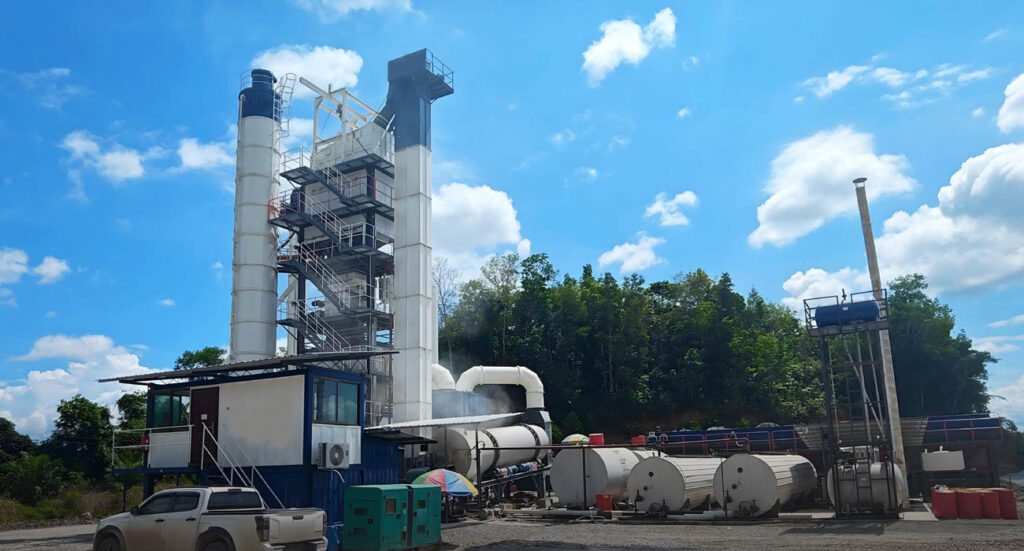
Precision Batching Hoppers for Uniform Mixture
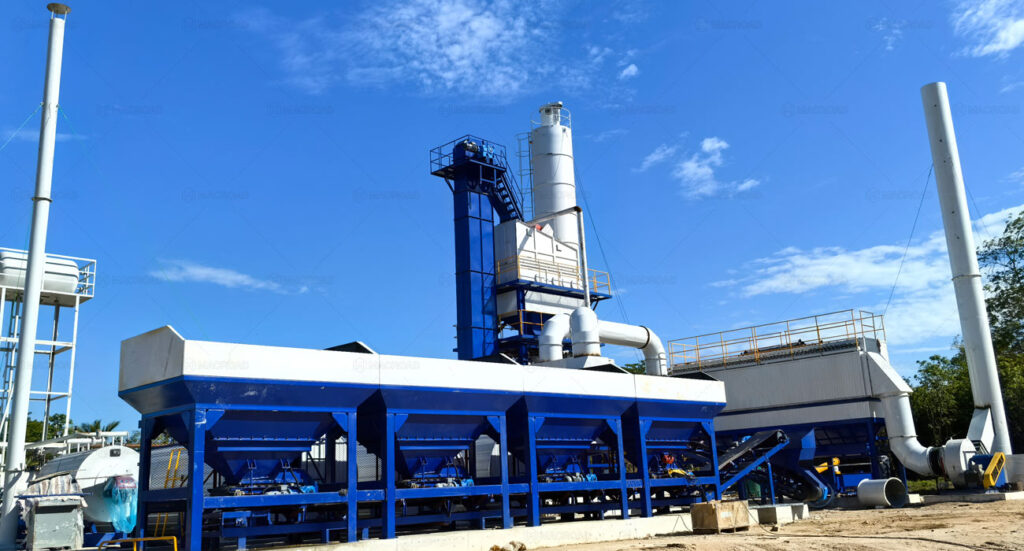
Precision batching hoppers are a significant advancement in the asphalt batch mixing plant, allowing for accurate measurement and distribution of materials. These hoppers ensure that each ingredient—aggregates, fillers, and binders—is measured with high accuracy, promoting the creation of a uniform asphalt mixture.
In high-altitude environments, where air pressure is significantly lower, achieving consistency in asphalt mixtures becomes challenging. The precision hoppers mitigate these challenges by providing exact quantities, which is essential for maintaining the desired physical properties of the asphalt. This accuracy is paramount in ensuring that the asphalt mixture can withstand environmental stresses typically found in elevated regions.
Heat Preservation Cladding for Temperature Stability
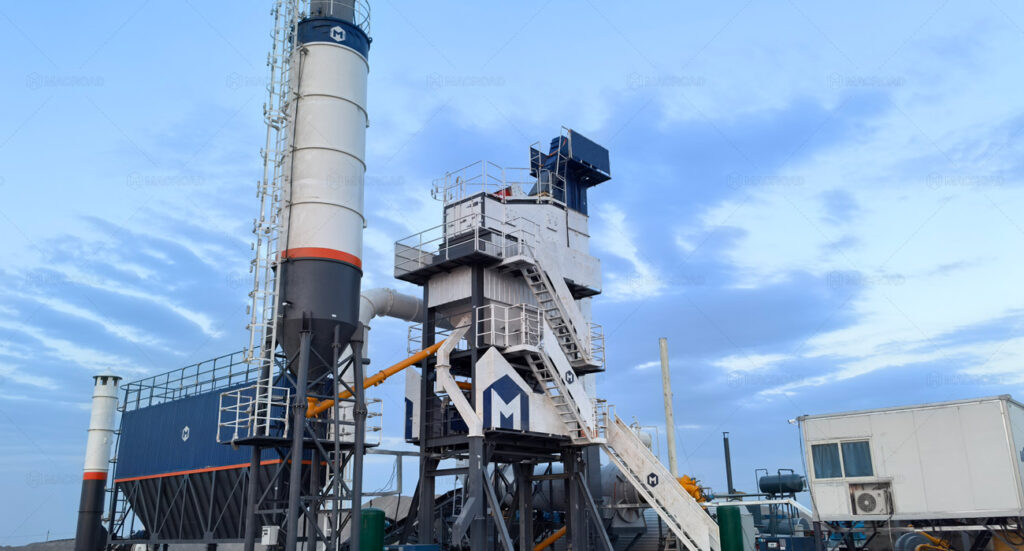
Heat preservation cladding is another critical feature of asphalt batch mixing plants that aids in temperature stability. In high-altitude conditions, temperature fluctuations can impact the quality of asphalt mixtures significantly. The insulation provided by the cladding helps maintain optimal temperature levels, reducing heat loss during production.
By keeping the temperature stable, the asphalt mixer plant can avoid issues related to premature cooling or thermal inconsistencies in the mix. This stability is essential for ensuring that the binder properly adheres to the aggregates, resulting in a durable and robust asphalt product. As a result, projects in high-altitude locations benefit from improved mixture integrity, enhancing the overall performance of the roadway.
Benefits for High-Altitude Highway Construction
Combining the precision of batching hoppers with the benefits of heat preservation cladding directly contributes to the effectiveness of asphalt mixer plants in high-altitude highway construction. The ability to produce a uniform mix under stable temperature conditions translates to superior paving quality and longevity.
In low-pressure atmospheres, maintaining the right balance in asphalt mixtures is crucial to avoid premature failures or deterioration. The advancement of these technologies empowers contractors to deliver high-quality outputs that meet stringent performance requirements, even in challenging environments. This capability is essential for ensuring safe and reliable roadways in elevated regions.
Conclusion
In summary, the asphalt mixer plant plays an essential role in producing high-quality asphalt, particularly in high-altitude highway construction where challenges such as low atmospheric pressure exist. The integration of precision batching hoppers and heat preservation cladding significantly enhances the uniformity and temperature stability of the asphalt mixtures. These innovations allow for the production of durable and effective asphalt, addressing the unique demands of elevated projects. As construction in challenging terrains continues to grow, the advancements in asphalt batch mixing plants will be crucial for ensuring the longevity and performance of infrastructure.