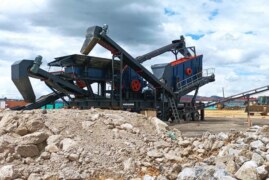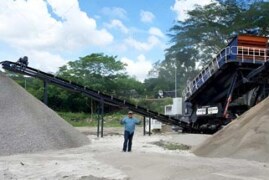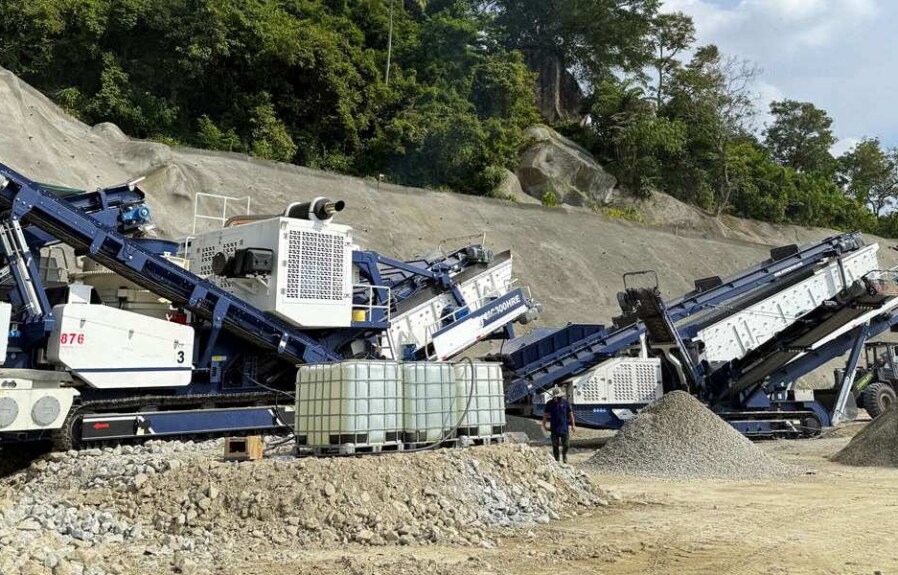
In the mining and aggregate industries, equipment investment decisions are heavily influenced by cost, performance, and long-term profitability. Among all essential machines, the rock crusher plays a central role in material processing, making its price a key factor for investors and contractors. Understanding rock crusher price is not just about initial purchase cost—it also reflects operational efficiency, durability, and return on investment.
At the same time, mining companies must also evaluate broader infrastructure expenses such as crusher plant cost, which includes the full system of crushing, screening, conveying, and control equipment. Together, these costs directly shape investment decisions and determine long-term profitability in mining operations.
The Importance of Rock Crusher Price in Mining Investments
The rock crusher price is one of the first considerations for mining companies when planning equipment procurement. Crushers are available in different types such as jaw crushers, cone crushers, and impact crushers, each designed for specific applications and material hardness levels. As a result, prices vary significantly depending on capacity, technology, and configuration.
For investors, the price of a rock crusher is not only a capital expenditure but also a reflection of expected productivity. A lower-priced machine may reduce initial investment, but it could result in higher maintenance costs, lower efficiency, and reduced output. On the other hand, a higher-priced crusher often includes advanced features such as automation, wear-resistant materials, and energy-efficient systems, which improve long-term operational performance.
Therefore, evaluating rock crusher price requires balancing upfront cost with long-term value creation in mining operations.
Factors That Influence Rock Crusher Price
Several key factors affect the overall rock crusher price in the global market. One of the most important is production capacity. High-capacity crushers designed for large-scale mining operations naturally cost more due to their stronger structure, larger motors, and advanced crushing mechanisms.
Another major factor is technology. Modern crushers equipped with intelligent control systems, hydraulic adjustment, and energy-saving features tend to have higher prices. However, these technologies improve efficiency, reduce downtime, and lower maintenance requirements, making them more cost-effective over time.
Material quality also plays a significant role. Crushers built with high-strength steel and wear-resistant components can handle harder materials and longer operating cycles, but they also increase manufacturing costs. Additionally, brand reputation, after-sales service, and spare parts availability further influence pricing in the global mining equipment market.
Relationship Between Rock Crusher Price and Crusher Plant Cost
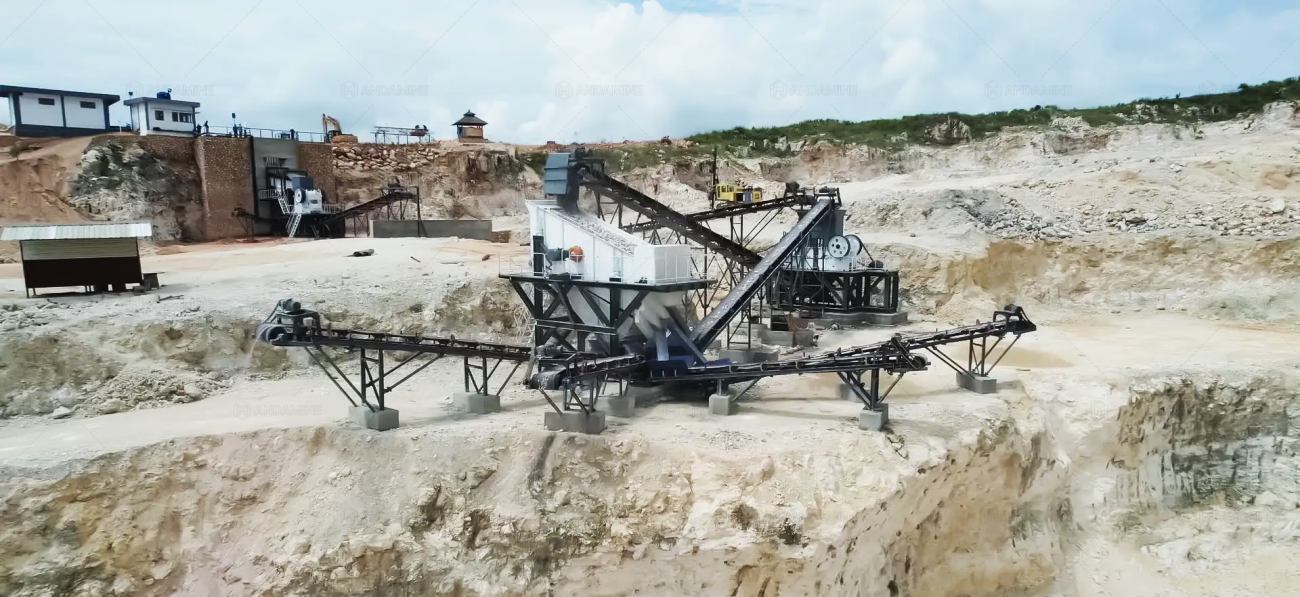
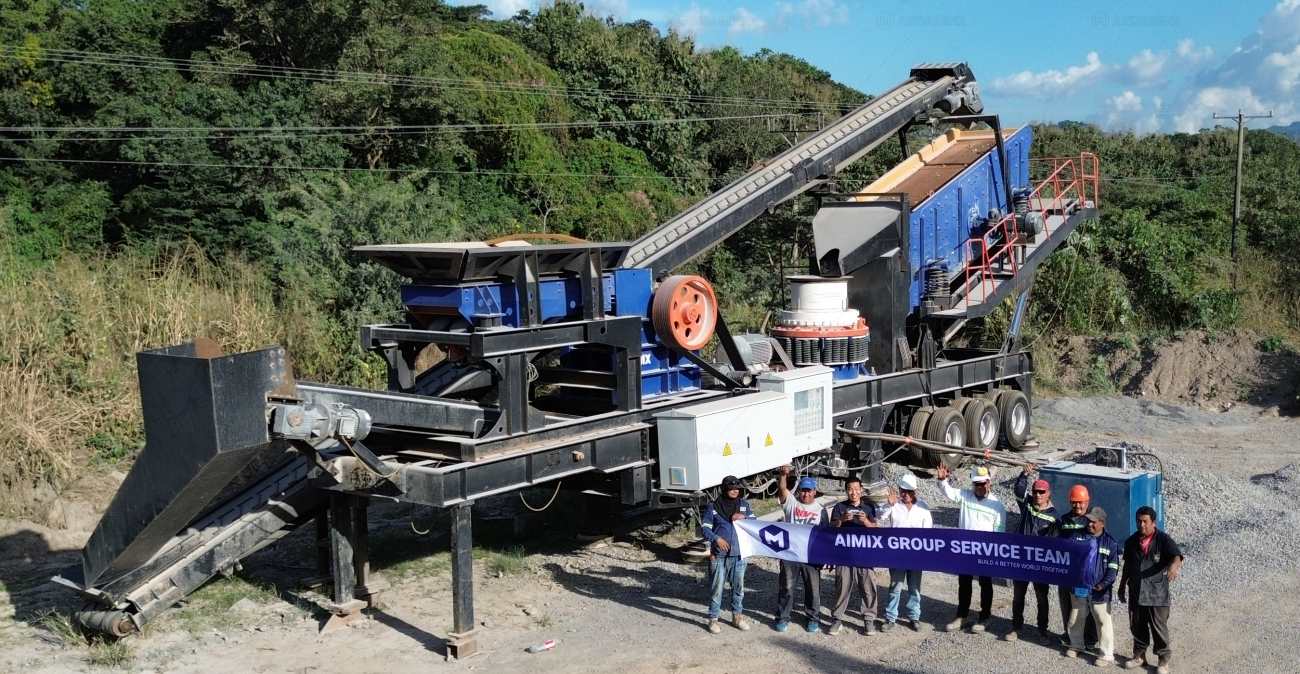
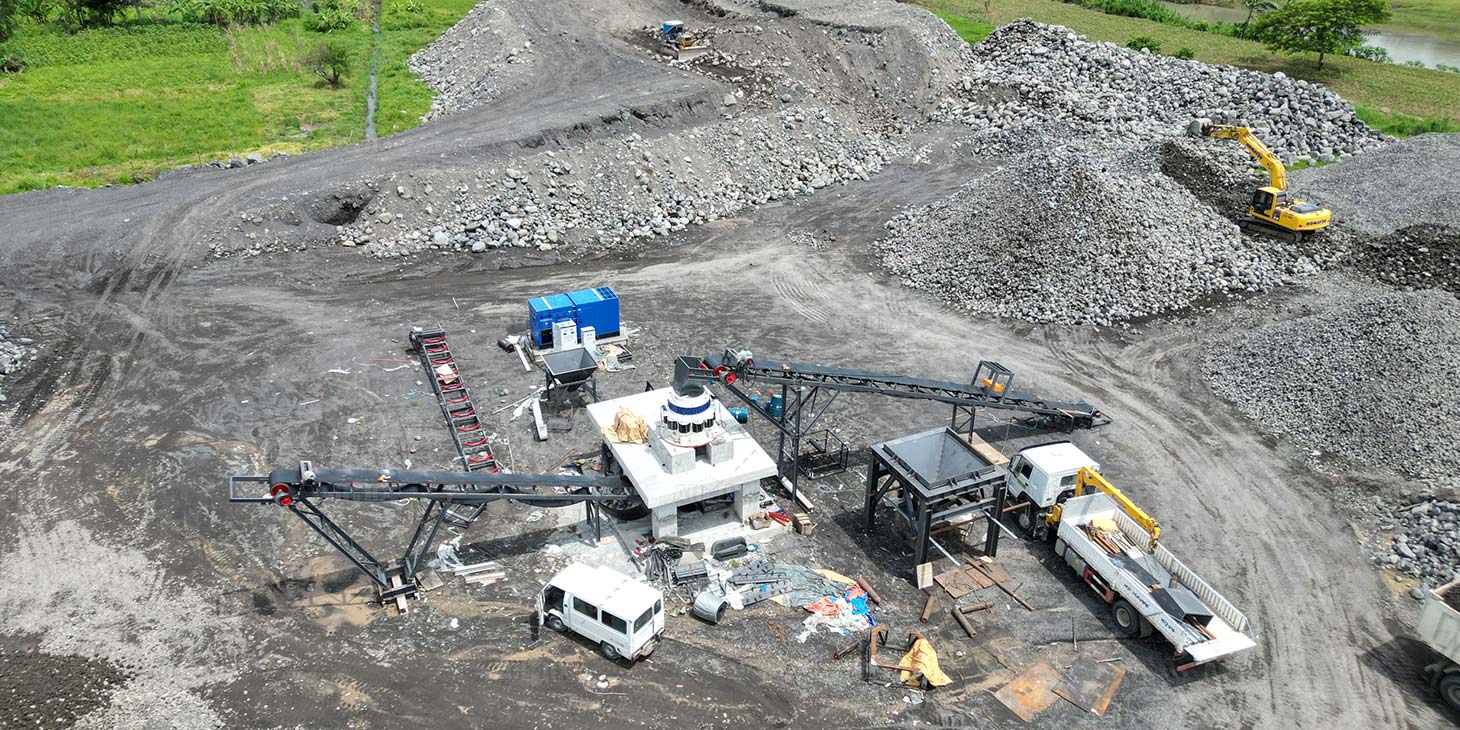
While individual equipment pricing is important, mining companies must also consider the broader crusher plant cost, which includes the complete crushing system. A crusher plant typically consists of feeding equipment, primary and secondary crushers, screening systems, conveyors, and control units.
The crusher plant cost is directly influenced by the rock crusher selected for the system. A high-performance crusher may increase initial investment but can reduce the number of additional machines required in the production line. This can lead to lower overall system complexity and improved efficiency.
For example, a well-designed crushing plant with an efficient primary jaw crusher and secondary cone crusher can significantly increase output while reducing energy consumption and maintenance frequency. In this way, the rock crusher price is closely linked to the total economic performance of the entire plant.
Investment Decision-Making in Mining Projects
When making investment decisions, mining companies must evaluate both short-term and long-term financial impacts. The rock crusher price is only one part of the equation. Investors must also consider operational costs, production efficiency, maintenance requirements, and expected return on investment.
A comprehensive evaluation of crusher plant cost helps companies understand the total financial commitment required to operate a fully functional crushing system. This includes installation, transportation, infrastructure development, and long-term operating expenses such as energy consumption and wear parts replacement.
In many cases, companies choose mid-to-high range equipment because it offers better reliability and lower lifecycle costs. While the initial investment is higher, the improved productivity and reduced downtime often result in faster payback periods and higher profitability.
Impact of Technology on Cost Efficiency
Technological advancements have significantly changed the relationship between rock crusher price and operational efficiency. Modern crushers are designed with automation systems that allow real-time monitoring of performance, automatic adjustment of output settings, and predictive maintenance alerts.
These features reduce human intervention and minimize production interruptions, which directly improves efficiency. Although such advanced systems increase the initial rock crusher price, they often lead to lower crusher plant cost in the long run due to reduced labor and maintenance expenses.
Energy-efficient motors and optimized crushing chambers also contribute to lower power consumption, which is a major operational cost in mining projects. Over time, these savings can outweigh the initial price difference between basic and advanced equipment.
Strategic Value in Long-Term Mining Operations
From a strategic perspective, investing in the right rock crusher is essential for long-term mining success. Equipment selection affects production capacity, product quality, and operational stability. A poorly chosen crusher may result in frequent breakdowns, inconsistent output, and higher maintenance costs.
In contrast, a well-selected machine aligned with project requirements can improve overall plant performance and reduce total crusher plant cost over time. This is why many mining companies treat rock crusher purchasing decisions as long-term capital investments rather than simple equipment purchases.
The rock crusher price therefore represents more than just a number—it reflects the balance between performance, durability, and lifecycle profitability.
Conclusion
In mining equipment investment decisions, the rock crusher price plays a critical role in determining both initial capital expenditure and long-term operational success. However, it should always be evaluated in connection with the overall crusher plant cost, as both directly influence production efficiency and profitability.
While lower-cost options may seem attractive initially, advanced crushers with higher prices often deliver better long-term value through improved efficiency, reduced downtime, and lower maintenance expenses. Ultimately, successful mining investments depend on understanding the full cost-performance relationship and selecting equipment that ensures sustainable and profitable operations.