Mining operations involve complex relationships between geology, equipment, production schedules, transportation, and mineral processing. A decision made in one area can affect several others. For example, increasing material extraction may create additional pressure on haulage capacity or processing equipment.
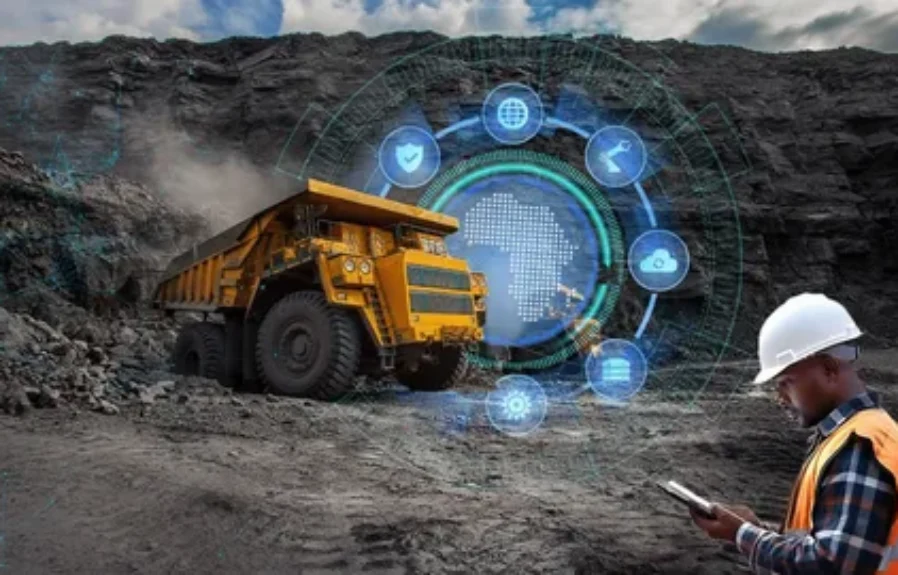
Digital twins help mining companies understand these relationships by creating digital representations of physical assets, processes, or entire operations. When supported by reliable data, these models can help teams evaluate operating conditions, test scenarios, and identify potential improvements before implementing changes in the real world.
What Is a Digital Twin?
A digital twin is a digital representation of a physical asset or process that can be updated using relevant operational information. Unlike a static drawing, it may incorporate sensor readings, equipment performance data, engineering specifications, and historical records.
In mining, a digital twin might represent a haul truck, a conveyor system, a processing plant, or a larger mining operation.
The level of detail depends on the purpose of the model. A twin designed to monitor a motor may focus on temperature, vibration, and energy consumption. A mine-wide model may examine production schedules, material movement, equipment availability, and processing capacity.
Not every digital model is a fully connected digital twin. The usefulness of the system depends on how accurately it represents the real process and how frequently relevant data is updated.
How Digital Twins Use Operational Data
A digital twin may receive information from sensors, maintenance systems, fleet management platforms, production databases, and engineering models.
For example, a processing plant model might use data about feed rates, equipment availability, material characteristics, and production output. These inputs help operators compare expected performance with actual conditions.
When the model identifies a difference between expected and observed behaviour, engineers can investigate possible causes. The difference might reflect equipment wear, changing material properties, inaccurate assumptions, or a change in operating conditions.
The model does not automatically reveal the cause. It helps organize the evidence so that specialists can investigate the problem more systematically.
Testing Different Production Scenarios
One of the main benefits of digital twins is the ability to evaluate alternative operating scenarios.
Suppose a mine expects an increase in ore production. Before changing the operating plan, planners can use a suitable model to examine whether the loading fleet, haul roads, crushers, conveyors, and processing plant can handle the additional material.
The analysis may reveal a bottleneck that limits the benefit of increasing extraction. For instance, additional trucks might create longer queues at a crusher without improving total production.
Testing scenarios can help teams compare possible solutions, such as changing dispatch schedules, adjusting maintenance windows, or improving material handling.
The results depend on the accuracy of the model and the assumptions used. Scenario analysis should therefore inform decisions rather than be treated as a guaranteed forecast.
Improving Equipment Maintenance Planning
Digital twins can also support maintenance by combining equipment condition information with operational requirements.
A model of a conveyor or processing machine may help engineers examine how operating loads, temperature, vibration, and maintenance history relate to performance. When integrated with predictive maintenance systems, it can help teams evaluate the consequences of different maintenance schedules.
For example, planners may compare the cost of a planned shutdown with the potential production loss associated with continued operation under uncertain equipment conditions.
These comparisons require reliable estimates and engineering review. A digital model cannot replace mandatory inspections, manufacturer recommendations, or safety procedures.
Supporting Mine Planning and Material Flow
Mining plans must account for changing geological conditions, equipment capacity, transport routes, and processing requirements. Digital representations can help teams visualize how material moves through different stages of an operation.
By comparing planned and actual production, planners can identify where delays or capacity constraints are emerging.
This information can be particularly useful when several departments depend on the same resources. A change in extraction sequencing, for example, may influence haulage demand and the type of material reaching the processing plant.
A shared digital model can help departments evaluate the wider consequences of a proposed change before committing resources.
Challenges in Digital Twin Implementation
Building a useful digital twin requires more than a sophisticated three-dimensional model. The underlying information must be accurate, current, and consistent across systems.
Equipment data may use different naming conventions, while older machines may not provide the sensor information needed for detailed monitoring. Companies may also need to address network connectivity, cybersecurity, software compatibility, and staff training.
Another challenge is determining the appropriate level of detail. A highly complex model may be expensive to maintain without providing enough additional value. Projects should begin with a clearly defined operational question and expand only when the benefits justify the investment.
Communicating Digital Twin Insights
Digital twin projects can generate valuable visual explanations of production constraints, equipment performance, and planned improvements. These insights are easier to share when they are presented in a clear and structured format.
For example, teams preparing public-facing educational updates can use an AI-powered ad solution from Predis.ai to develop visual communication materials about mining technology. Such materials should distinguish between simulated results and verified operational outcomes.
Confidential site data, proprietary engineering models, and sensitive production information should not be shared without authorization.
The Future of Digital Twins in Mining
Digital twins can help mining companies connect operational data with planning and engineering decisions. Their value grows when models are maintained regularly and used to answer practical questions.
The most effective implementations combine reliable data, realistic assumptions, and input from people who understand the operation. By testing scenarios, monitoring performance, and reviewing actual results, mining teams can use digital twins to support more informed decisions and improve coordination across complex processes.