
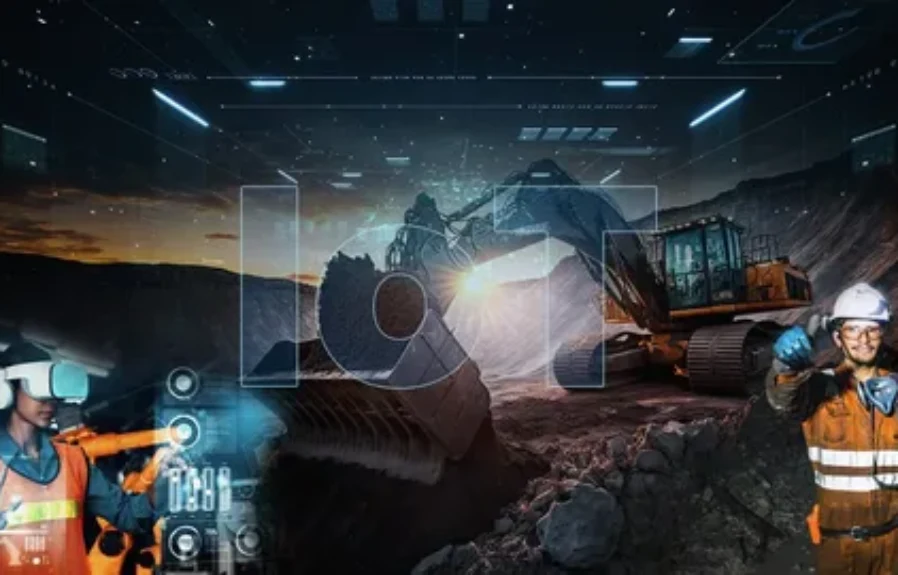
Modern mines are no longer just pits, tunnels, and heavy machinery. They are connected industrial environments where autonomous trucks, remote-controlled drills, smart sensors, and automated processing plants work together around the clock. This digital shift has improved productivity and safety, but it has also created a new risk: cyberattacks that can stop production or put workers in danger. That is why operational technology cyber security has become a serious priority for the mining industry.
What Is Operational Technology in Mining?
Operational technology (OT) refers to the hardware and software that monitor and control physical processes. In a mine, this includes SCADA systems, programmable logic controllers (PLCs), ventilation controls, conveyor systems, pumps, crushers, and fleet management platforms. Unlike traditional IT systems that handle emails and databases, OT systems directly control machines and physical operations. A failure here is not just a data problem. It can mean halted production, damaged equipment, or a safety incident.
Why Mining Is an Attractive Target
Mining operations are valuable and complex, which makes them appealing to attackers. Several factors increase the risk:
- High cost of downtime: Even a short shutdown can lead to major financial losses, so attackers know companies may feel pressure to act quickly.
- Remote and distributed sites: Mines are often far from major cities, with limited on-site IT staff and weaker network infrastructure.
- Valuable data: Geological surveys, exploration results, and production plans are sensitive assets that competitors or hostile groups may want.
- Critical supply chains: Minerals and metals feed industries such as energy, construction, and electronics, so disruptions can have wide effects.
The Convergence of IT and OT
For many years, OT systems were isolated from the internet and relied on this separation for protection. That is no longer the case. Companies now connect machines to cloud platforms and analytics tools to enable remote monitoring, predictive maintenance, and automation. While this connectivity brings clear benefits, it also opens pathways that attackers can exploit. A phishing email on the corporate network, for example, could become the first step toward reaching industrial control systems if the two environments are not properly separated.
Key Threats Facing Mining OT Systems
Mining companies face a range of cyber threats, including:
- Ransomware, which can lock critical systems and halt operations until a payment is made.
- Legacy equipment vulnerabilities, since many control systems were built decades ago without modern security features.
- Insider threats, whether accidental or intentional, such as an employee plugging in an infected USB drive.
- Third-party risks, because contractors, equipment vendors, and remote maintenance providers often have access to sensitive systems.
- Remote access abuse, especially when weak passwords or unsecured connections are used.
Building a Strong OT Security Strategy
Protecting industrial environments requires a different approach from standard office IT security. Systems must stay available and stable, so security measures need to be carefully planned. For organizations looking to understand the fundamentals, this guide on operational technology cyber security explains how industrial systems differ from traditional IT and what it takes to protect them.
Here are some practical steps mining companies can take:
- Know your assets. You cannot protect what you cannot see. Create a complete inventory of all connected devices, controllers, and software.
- Segment the network. Separate OT networks from corporate IT networks so a breach in one area does not spread to the other.
- Control access. Use strong authentication, limit user privileges, and closely monitor third-party and remote connections.
- Monitor continuously. Industrial monitoring tools can detect unusual behavior, such as unexpected commands or traffic patterns.
- Patch carefully. Updates should be tested before deployment, and where patching is not possible, compensating controls should be used.
- Prepare for incidents. Develop and regularly test a response plan so teams know exactly what to do if an attack occurs.
The Human Factor
Technology alone cannot solve the problem. Many cyber incidents begin with human error, such as clicking a malicious link or using weak credentials. Regular training helps employees recognize suspicious activity and follow safe practices. Just as safety drills are routine in mining, cyber awareness should become part of everyday site culture.
Safety, Compliance, and Reputation
OT cyber security is closely tied to physical safety. A compromised ventilation or gas monitoring system could endanger lives underground. Regulators and investors are also paying more attention to how companies manage digital risk. A strong security posture helps meet compliance requirements, protects the company’s reputation, and builds trust with partners and communities.
Looking Ahead
As mining continues to adopt automation, artificial intelligence, and remote operations, the attack surface will keep growing. Companies that treat cyber security as an afterthought may face costly disruptions, while those that build security into their digital strategy from the start will be better prepared. Future-ready mines will combine advanced technology with strong governance, skilled teams, and continuous monitoring.
Conclusion
Digital transformation is reshaping mining, but every connected system also introduces risk. Operational technology cyber security is not just a technical issue; it is essential for protecting workers, equipment, data, and production. By understanding their assets, separating networks, training staff, and preparing for incidents, mining companies can enjoy the benefits of automation while keeping their operations secure and resilient.