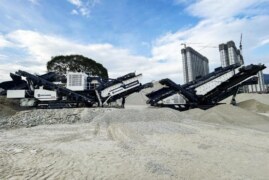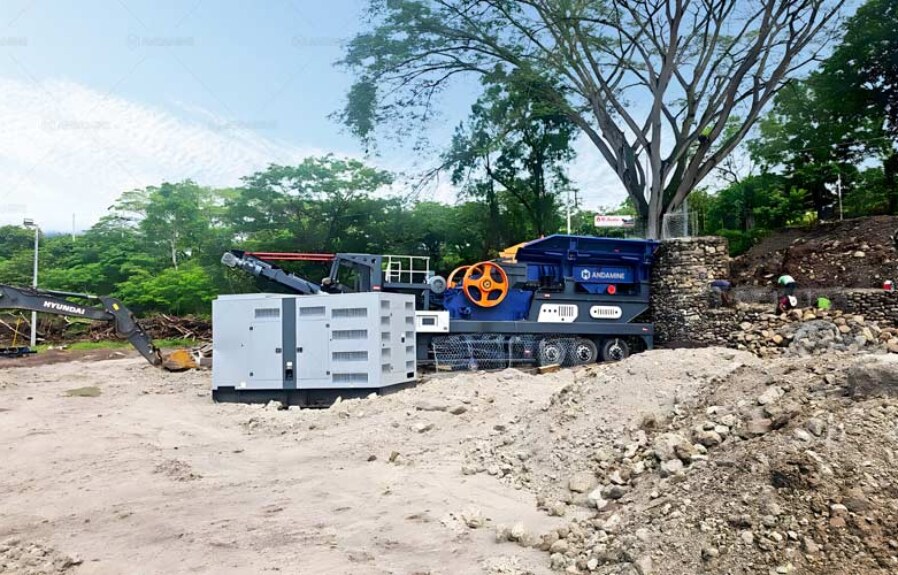
Importing crushing equipment into Chile involves more than arranging international transportation and paying customs duties. Mining and aggregate businesses must prepare the correct commercial documents, verify technical information, meet applicable import requirements, and coordinate customs clearance before equipment arrives at the destination. Whether purchasing an aggregate crushing plant for sale in Chile or importing a mobile stone crushing plant for a new quarry, proper documentation helps prevent delays, unexpected expenses, and difficulties during equipment installation.
For mining contractors and aggregate producers, understanding the import process also makes it easier to evaluate suppliers. A mineral crusher, for example, may consist of several machines, electrical systems, conveyors, and spare parts, each requiring accurate identification in shipping and commercial documents. Preparing these details in advance can significantly simplify the import process.
1. Essential Documents Required for Importing Crushing Equipment
The documentation requirements depend on the equipment configuration, country of origin, shipping method, and applicable Chilean regulations. However, several documents are commonly required for importing industrial machinery.
Commercial Invoice
The commercial invoice establishes the transaction value between the exporter and Chilean importer. It should contain:
- Seller and buyer information.
- Equipment name, model, and quantity.
- Unit price and total transaction value.
- Currency and payment terms.
- Country of origin.
- Delivery terms under Incoterms.
For an aggregate crushing plant for sale in Chile(planta chancadora de áridos venta Chile), the invoice should clearly identify the complete equipment package rather than using vague descriptions such as industrial machinery.
Packing List
The packing list provides details about the cargo and its packaging. This document is particularly important when importing large crushing systems shipped in multiple containers or separate batches.
It should include:
- Number of packages and containers.
- Dimensions and gross and net weights.
- Equipment names and corresponding models.
- Package identification numbers.
- Main components and accessories.
A mobile stone crushing plant may contain a crusher, vibrating feeder, screening unit, conveyors, and supporting structures. Listing these components separately makes cargo inspection and unloading more efficient.
Bill of Lading
The bill of lading is issued by the shipping carrier and serves as evidence of the transportation contract and receipt of cargo. It normally identifies the shipper, consignee, loading port, destination port, and cargo description.
Importers should check that the information matches the commercial invoice and packing list before the shipping documents are finalized.
2. Technical Documentation for Mining and Crushing Machinery
Commercial documents establish the transaction, but technical documentation helps customs authorities, importers, and installation teams understand what is being shipped.
Equipment Specifications and Technical Drawings
A supplier should provide detailed specifications for each major machine, including:
| Technical Information | What to Verify |
|---|---|
| Equipment model | Exact model and configuration |
| Processing capacity | Rated output in tons per hour |
| Maximum feed size | Largest acceptable material size |
| Installed power | Motor and total power requirements |
| Machine dimensions | Transportation and installation space |
| Operating weight | Lifting and foundation requirements |
For a mineral crusher, these specifications also help determine whether the machine matches the intended material hardness, feed characteristics, and production requirements.
Electrical and Installation Documents
Electrical diagrams, foundation drawings, installation instructions, and operation manuals are valuable for projects involving complete crushing plants.
For example, an aggregate crushing plant for sale in Chile may require several electrical connections and coordinated equipment foundations. Receiving these documents before shipment allows the project team to prepare the site while the machinery is in transit.
3. Chilean Customs Requirements and Import Considerations
Chile has established customs procedures for imported commercial goods. Importers should confirm the applicable requirements with a qualified customs broker before shipment.
HS Code Classification
The Harmonized System (HS) code determines the customs classification of imported machinery. Different types of crushers, screens, conveyors, and complete processing systems may fall under different classifications depending on their technical characteristics and functions.
Incorrect classification can result in customs delays, additional inspections, or incorrect duty calculations.
Before importing a mobile stone crushing plant(planta de trituracion móvil), the importer should provide the equipment specifications and component list to the customs broker to determine the appropriate classification.
Certificate of Origin
A certificate of origin identifies the country where the equipment was manufactured or obtained its origin status.
This document can be relevant when determining whether preferential tariff treatment is available under an applicable trade agreement. Importers should verify the origin rules and documentation requirements rather than assuming that every shipment qualifies for reduced duties.
Customs Declaration and Taxation
Commercial imports generally require customs declaration and payment of applicable taxes and duties.
Chile’s general import VAT rate is 19%. The applicable customs duty depends on the product classification, origin, and any preferential trade arrangements.
Importers should calculate the potential landed cost before purchasing a mineral crusher, including:
- Equipment purchase price.
- International freight and insurance.
- Customs duties, where applicable.
- Import VAT.
- Customs broker fees.
- Port handling and inland transportation.
4. How to Prepare Documents for Different Crushing Plant Configurations
Not every crushing project has the same shipping requirements. The documentation should reflect the actual equipment configuration.
Complete Crushing Plant
When importing an aggregate crushing plant for sale in Chile, the supplier should provide a complete equipment list identifying the primary crusher, secondary crusher, vibrating screen, feeders, conveyors, and electrical components.
If the plant is shipped in multiple containers, package numbers should correspond to the packing list.
Mobile Crushing Plant
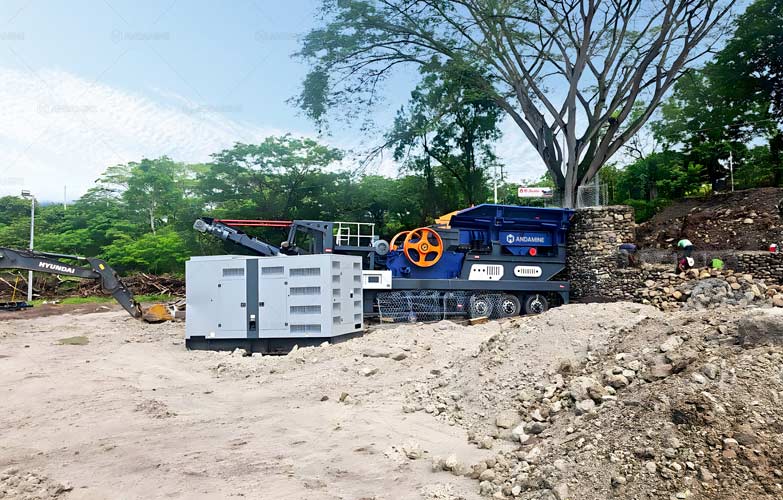
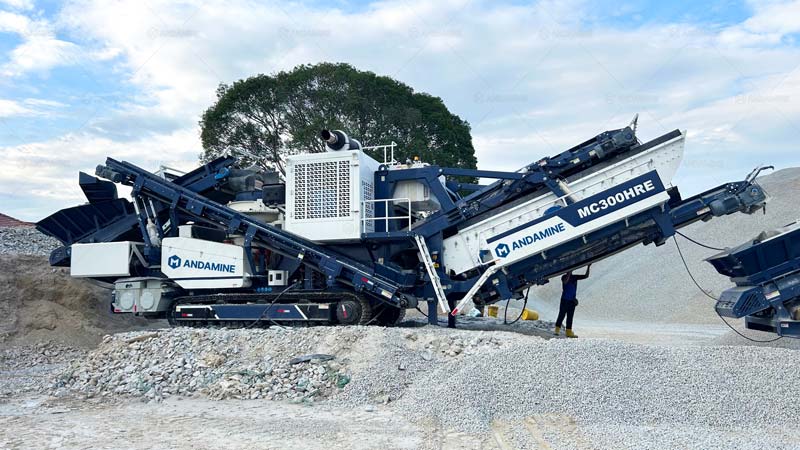
A mobile stone crushing plant generally integrates several processing functions onto a wheeled or tracked chassis.
Its documentation should clearly identify:
- Mobile chassis and running system.
- Integrated crushing equipment.
- Screening and conveying units, if included.
- Power and control systems.
- Transportation dimensions and weight.
This information is particularly useful when arranging port handling and inland delivery to remote mining sites.
Individual Mineral Crusher
When importing a standalone mineral crusher(trituradora de minerales), the documentation can focus on its model, crushing capacity, feed opening, motor power, and main accessories.
Clear identification also helps simplify spare parts management and future maintenance.
5. Common Documentation Mistakes That Cause Import Delays
Even when machinery meets the technical requirements, inconsistent paperwork can interrupt the import process.
Common mistakes include:
- Inconsistent equipment descriptions: Model names or quantities differ between the invoice and packing list.
- Incorrect cargo weights: Declared weights do not match the actual shipping measurements.
- Incomplete component lists: Accessories and spare parts are missing from the documentation.
- Unverified HS codes: Equipment is classified without sufficient technical information.
- Late document preparation: Customs brokers receive shipping information too close to the vessel’s arrival.
To avoid these problems, importers should review all documents together before shipment and request corrections while the equipment is still at the manufacturer’s facility.
6. Working With an Experienced Crushing Equipment Supplier
A reliable manufacturer should support buyers beyond equipment production. Proper export documentation, detailed packing information, technical manuals, and shipping coordination are all important parts of international equipment delivery.
When evaluating an aggregate crushing plant for sale in Chile, buyers should ask suppliers whether they can provide:
- Commercial invoices and detailed packing lists.
- Equipment specifications and technical drawings.
- Certificates of origin when applicable.
- Electrical diagrams and installation manuals.
- Container loading information and shipping details.
For a mobile stone crushing plant or individual mineral crusher, this support helps the importer coordinate transportation, customs clearance, and subsequent installation more effectively.
Prepare Your Import Plan Before Shipment
Importing crushing machinery into Chile becomes more manageable when documentation is prepared alongside equipment selection and project planning. Before confirming an order, importers should verify the HS classification, estimated landed cost, shipping configuration, and applicable customs requirements with their customs broker.
Choosing a manufacturer familiar with international machinery exports also reduces communication gaps between equipment production and delivery. With accurate documentation and early coordination, Chilean mining and aggregate businesses can move their crushing projects forward with fewer administrative obstacles.