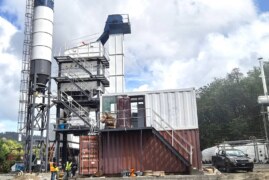
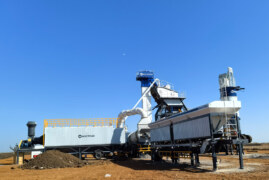
Asphalt mixing plant suppliers typically categorize their products based on various factors, including capacity, production modes (batch or continuous), and environmental standards. However, the naming conventions for asphalt plant models can differ significantly among suppliers, often using letters to denote production modes and numbers to represent capacity levels. This can create confusion for enterprises when comparing products. Understanding the core parameter differences behind each supplier’s model is essential for making informed purchasing decisions. This article explores how businesses can clarify their core needs to ensure they select the right asphalt plant model.

Clarifying Core Needs Before Comparison
Before diving into comparisons, enterprises must first clarify their core needs. This includes understanding project capacity requirements, which dictate the volume of asphalt needed within a specific timeframe. For instance, if a project requires a high-output asphalt mixing plant, selecting a model with adequate capacity is vital to avoid production delays.
Additionally, regional environmental requirements must be considered. Different regions have varying standards for emissions and environmental impact, making it essential to ensure that the chosen asphalt plant model complies with local regulations. By clearly defining these core needs, enterprises can focus their comparisons on models that genuinely fit their operational requirements.

Interpreting Model Naming Conventions
Once core needs are established, the next step is to interpret the model naming conventions used by different asphalt mixing plant suppliers. Understanding how each supplier categorizes their models can significantly impact the decision-making process. For example, a supplier might use specific letters to indicate whether a model operates in batch or continuous mode. Knowing this distinction can help enterprises determine if a particular model aligns with their production preferences.
Moreover, the numerical values associated with the models typically represent capacity levels. Understanding whether these numbers accurately reflect the expected output can prevent mismatches between the purchased equipment and actual project requirements. It is crucial to delve into the specifics of what each number and letter signifies to make informed choices.

Evaluating Production Modes and Specifications
When comparing asphalt plant models, evaluating the production modes and their associated specifications is essential. For batch production models, enterprises should inquire whether they support multi-specification mixture switching. This feature can be particularly beneficial for projects that require different asphalt mixtures for various applications.
Furthermore, enterprises should assess the environmental configurations of the models. It is imperative to confirm that the chosen asphalt plant meets the necessary environmental standards for the region in which it will operate. This ensures compliance with local regulations and minimizes the risk of operational disruptions.

Avoiding Mismatches Through Detailed Communication
To avoid mismatches between the purchased asphalt plant model and actual needs, detailed communication with suppliers is essential. Enterprises should engage with suppliers to ask specific questions regarding model specifications, production capabilities, and environmental compliance. This open dialogue can clarify any ambiguities in the model naming and help ensure that the selected equipment aligns with project requirements.
Additionally, requesting technical documentation or product datasheets can provide further insights into the capabilities and features of each asphalt plant model. This information can aid in making side-by-side comparisons between different suppliers, ultimately leading to a more informed purchasing decision.
In conclusion, understanding asphalt plant models from various suppliers requires careful consideration of core needs and model naming conventions. By clarifying project capacity requirements and regional environmental standards, enterprises can effectively compare models and avoid mismatches. Engaging in detailed communication with asphalt mixing plant suppliers will further enhance decision-making, ensuring that the selected asphalt plant model meets operational demands and regulatory requirements.