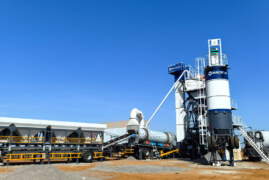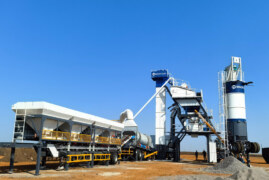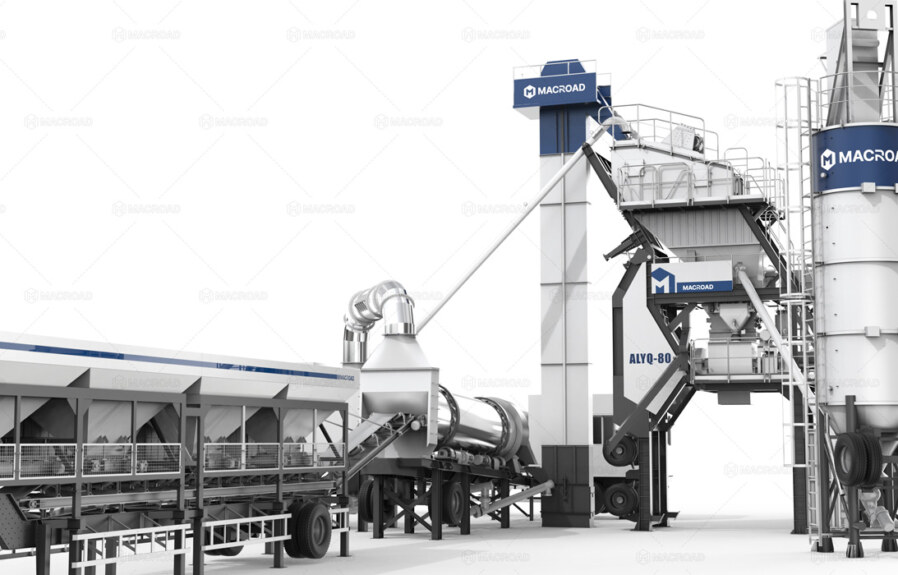
The quality, compatibility, and technical parameters of asphalt plant parts significantly affect the mobility, durability, and mixing precision of asphalt plant mobile operations. For projects involving long-term high-intensity operations, these factors become even more critical. Understanding their implications can lead to more efficient and effective asphalt production.

Quality of Asphalt Plant Parts
The quality of asphalt plant parts directly influences the overall performance of an asphalt plant mobile. High-quality components are essential for ensuring reliable operation, especially in demanding environments. Quality parts are typically constructed from durable materials that can withstand the rigors of constant use, reducing the likelihood of breakdowns.
When parts are made from substandard materials, they are more prone to wear and tear, leading to increased maintenance costs and potential downtime. For long-term operations, investing in high-quality asphalt plant parts can enhance the longevity and reliability of the entire plant, providing operators with peace of mind during intensive projects.

Compatibility and Mobility
Compatibility among asphalt plant parts is crucial for maintaining the mobility of asphalt plant mobile units. Each component must work seamlessly with others to allow for efficient transportation and quick setup. If parts are not compatible, it can lead to operational inefficiencies, making it more complicated to relocate the plant to different job sites.
Moreover, when parts are designed specifically for compatibility with mobile units, they contribute to agile functioning, enabling faster disassembly and reassembly. This is particularly important for projects that require frequent relocation, as any delays in setup can lead to costly downtime. Ensuring that all parts are compatible will significantly enhance the mobility and efficiency of asphalt plant operations.

Technical Parameters and Mixing Precision
Technical parameters of asphalt plant parts also play a vital role in influencing the mixing precision of asphalt plant mobile. These parameters include aspects like mixing speed, temperature control, and particle size distribution. Specifically, the design and functionality of mixing components determine how well materials are blended together.
For high-intensity operations, precise mixing is essential for achieving the desired asphalt quality. Variability in mixing can result in poor performance of the final product, leading to issues such as cracking or premature degradation. Therefore, selecting asphalt plant parts with well-defined technical specifications ensures that mixing processes meet strict quality standards, which is critical for long-term durability.
Durability and Long-Term Operations
Durability is another important consideration when evaluating asphalt plant parts. Long-term high-intensity operations put significant strain on machinery, which makes it essential for parts to withstand continuous use without compromising performance. Durable components help to minimize downtime, enabling workers to maintain productivity on large-scale projects.
Investing in parts that are specifically designed for extended longevity can lead to significant savings over time. By reducing the frequency of replacements and repairs, operators can optimize operational efficiencies and keep production costs in check. Ensuring that the asphalt plant mobile is equipped with durable parts will enhance its ability to perform under pressure, leading to successful project completions.
Conclusion
In summary, the quality, compatibility, and technical parameters of asphalt plant parts are critical factors influencing the mobility, durability, and mixing precision of asphalt plant mobile units. For long-term high-intensity operations, these elements become even more essential for achieving efficient asphalt production. By focusing on selecting high-quality and compatible parts designed to meet precise technical specifications, operators can enhance the performance and reliability of their asphalt plants. This strategic investment ensures that projects run smoothly, timelines are met, and overall operational costs are minimized.