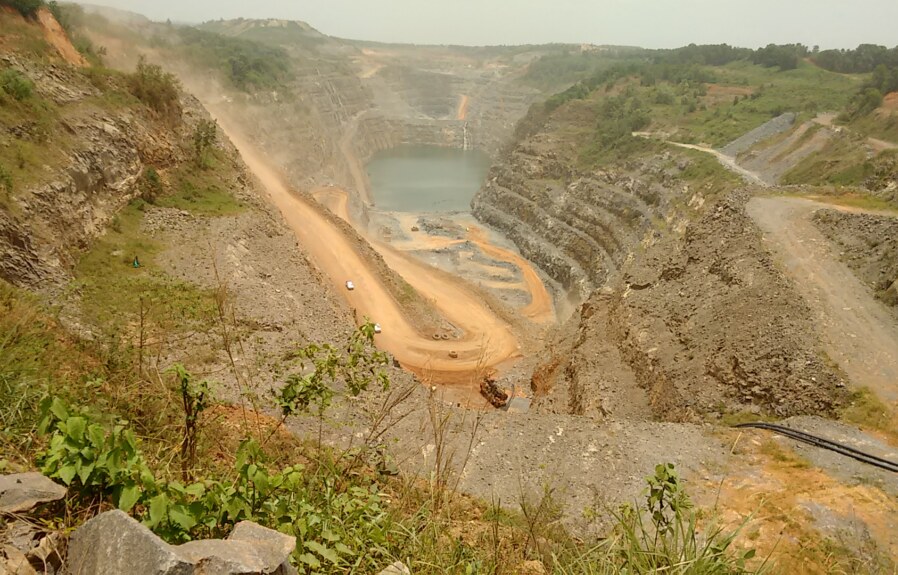
The Ghanaian government has officially restricted the sale of the Damang Gold Mine to 100% locally owned firms, marking a historic pivot toward indigenous sovereignty. This landmark policy shift moves away from decades of foreign multinational control to ensure the nation’s mineral wealth directly benefits its citizens. By prioritizing local equity, Ghana is positioning itself to retain the primary economic yields of its gold extraction within its own borders.
Following years of successful operation, Gold Fields is now prepared to transfer the Damang site to state control by mid-April 2026. This transition requires prospective local owners to meet rigorous standards, including proof of significant technical expertise and substantial capital reserves. Any qualifying entity must demonstrate access to at least $500 million in funding to effectively revitalize the mine and sustain long-term production levels.
Indigenous industry giants such as Engineers & Planners and BCM International have already emerged as the primary contenders in this high-stakes bidding process. These firms represent a sophisticated tier of Ghanaian industrialism, capable of overseeing the complex logistics required for large-scale mining. Their involvement serves as a critical litmus test for the country’s ability to independently manage and grow its most valuable natural resources.
This strategic move aligns with a growing continental trend of resource nationalism aimed at dismantling exploitative corporate fronting. By anchoring profits and executive decision-making within the country, Ghana seeks to bolster its foreign exchange reserves and stimulate high-level domestic employment. As the handover deadline nears, the global mining sector is watching closely to see how this bold experiment in economic independence unfolds.