As the mining industry moves into 2026, the push for “Green Mining” has transitioned from a corporate social responsibility (CSR) buzzword to a strict regulatory mandate. Central to this transition is the infrastructure supporting the mine, specifically the production of concrete for underground support, backfilling, and surface structures. However, integrating sustainability into this process is not free. When evaluating the ready mix concrete plant cost, mining operators must now factor in the “price of compliance”—the financial investment required to meet environmental standards while maintaining operational efficiency.
The Evolution of Eco-Friendly Batching
Historically, a ready mix plant on a mine site was evaluated solely on throughput and durability. Today, “eco-friendly batching” introduces new variables: carbon footprint reduction, water conservation, and waste zero-tolerance. These systems utilize advanced technologies such as:
-
CO2 Injection Systems: Injecting recycled carbon dioxide into the concrete during mixing to mineralize it, increasing strength while sequestering carbon.
-
Water Reclaimers: Closed-loop systems that treat and reuse slurry water, a critical feature for mines in water-stressed regions.
-
Dust Suppression Technology: High-efficiency pulse-jet filter systems and enclosed conveyors to prevent particulate matter from escaping into the local ecosystem.
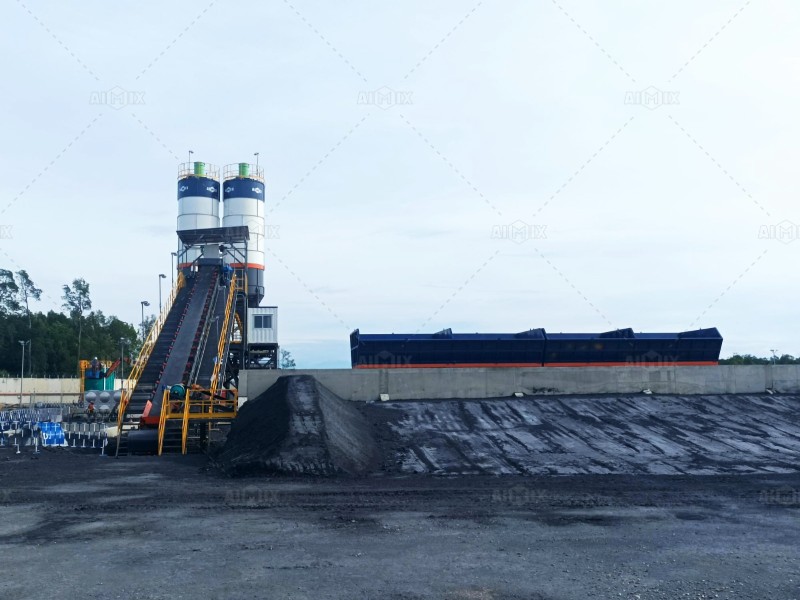
Breaking Down the Ready Mix Concrete Plant Cost of Compliance
While eco-friendly features offer long-term savings, they undoubtedly inflate the initial ready mix concrete plant cost. To understand the true investment, we must look at where these costs accrue.
1. Advanced Filtration and Emission Control
Standard batching plants often utilize basic baghouses. However, modern environmental permits for mining leases often require HEPA-grade filtration and real-time air quality monitoring. Integrating these systems can increase the initial ready mix concrete plant cost by 10% to 15%. This is no longer optional; in many jurisdictions, failure to meet these standards results in heavy fines or the suspension of mining permits.
2. Water Management and Zero-Discharge Systems
Mining operations are often under heavy scrutiny regarding groundwater contamination. A “green” ready mix plant requires a sophisticated water management system that includes settling ponds, filter presses, and pH adjustment tanks. While a standard plant might discharge “grey water,” a compliant plant must be zero-discharge. This infrastructure adds a significant layer to the ready mix concrete plant cost, but it prevents the catastrophic expense of environmental remediation projects.
3. Low-Carbon Cementitious Alternatives
The concrete industry is moving away from traditional Portland cement, which is carbon-intensive. Mining-specific concrete now frequently uses fly ash, slag, or calcined clays. While these materials can be cheaper than cement, they require specialized storage silos and more precise dosing equipment. The ready mix concrete plant cost increases due to the need for multiple silos and sophisticated “smart” batching software that can adjust mixes in real-time based on the chemical variance of these alternative binders.
The Hidden ROI of Sustainable Infrastructure
It is easy to view the ready mix concrete plant cost of compliance as a purely negative financial burden. However, a more nuanced analysis reveals a strong Return on Investment (ROI) driven by three main factors:
-
Reduced Logistics Costs: Sustainable plants are often designed for “site-sourced” materials. By using mine tailings as aggregate (where chemically viable), operators can offset the initial high ready mix concrete plant cost by slashing the expense of hauling in virgin stone.
-
Energy Efficiency: Modern, compliant plants are built with variable frequency drives (VFDs) and high-efficiency motors. Over a 5-year mining project, the reduction in kilowatt-hour consumption can recover a portion of the premium paid for the equipment.
-
Faster Permitting: In the current regulatory climate, an eco-friendly batching plant is a “fast-track” asset. The cost of a 6-month delay in mining production due to environmental permit rejection far outweighs the incremental ready mix concrete plant cost of a high-spec, compliant facility.
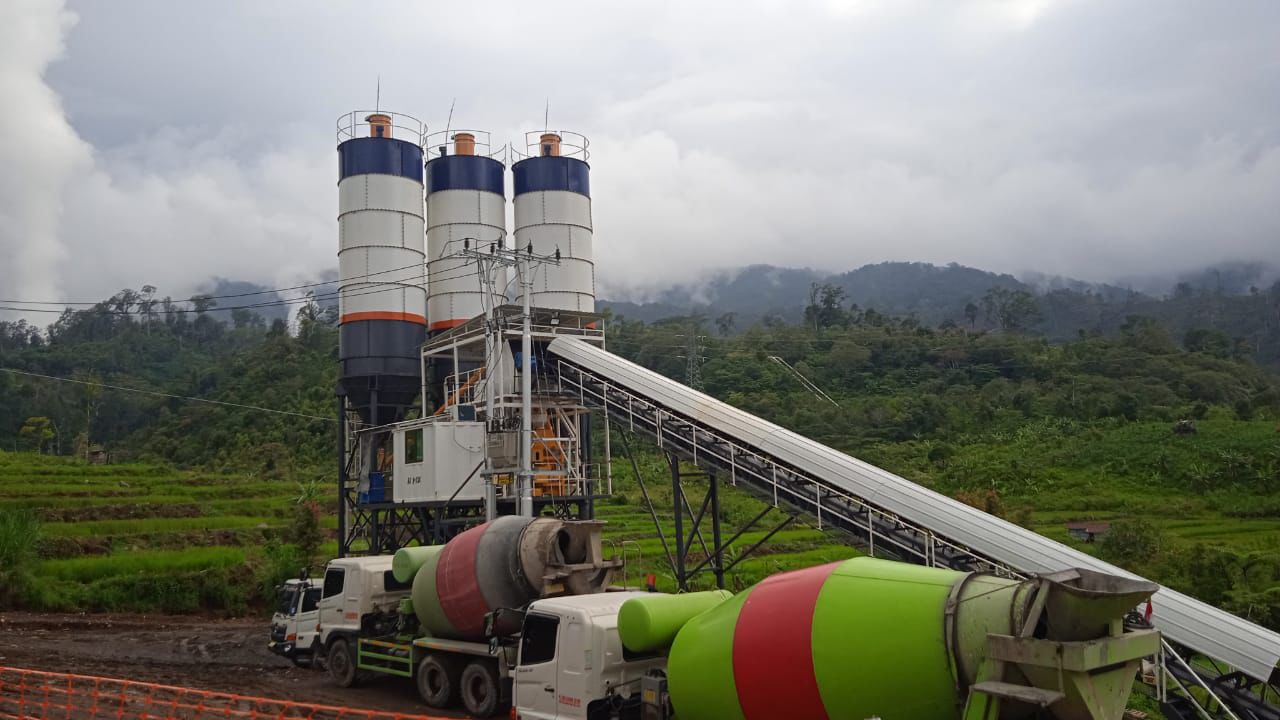
Strategic Considerations for 2026
For project managers and procurement officers, the goal is to balance the ready mix concrete plant cost against the specific environmental risks of the site.
Key Takeaway: “Compliance is expensive, but non-compliance is terminal.”
In 2026, the most successful mining operations are those that treat the ready mix concrete plant cost as a strategic environmental asset rather than a simple utility. By investing in modular, eco-friendly batching plants, mines can ensure they remain “future-proof” against tightening carbon taxes and water usage restrictions.
Summary Table: Compliance Cost Impacts
| Feature | Impact on Initial Cost | Long-term Value |
| CO2 Mineralization | High Increase | Carbon credits & Cement reduction |
| Zero-Discharge Water | Moderate Increase | Local water rights & Regulatory safety |
| Tailings Integration | Moderate Increase | Massive savings on aggregate logistics |
| Abrasive-Resistant Liners | Low Increase | Extended plant life and less downtime |
Ultimately, the ready mix concrete plant cost in the mining industry is no longer just about steel and motors; it is about the technology required to operate within the “Green Frontier.” Investing in sustainability today is the only way to ensure the viability of the mine tomorrow.