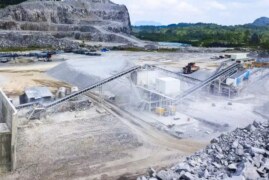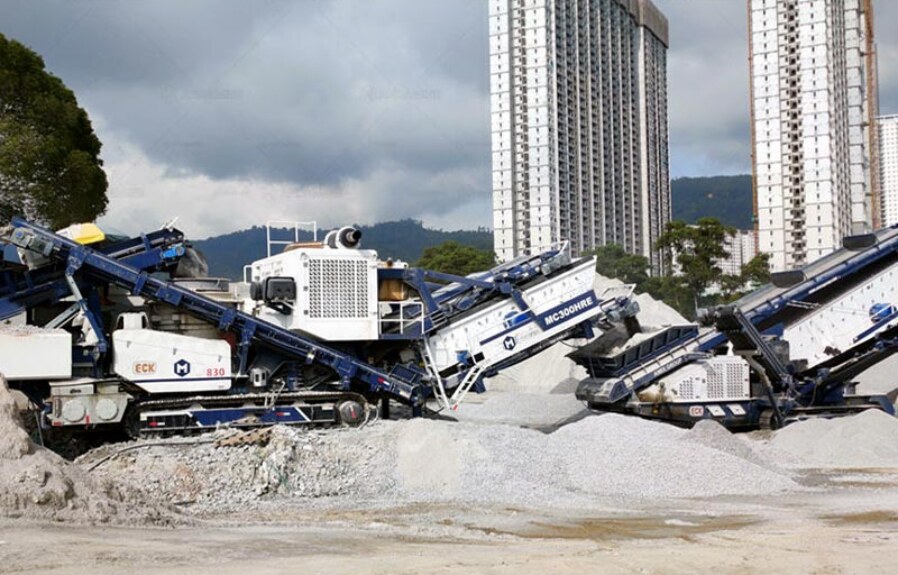
Construction and mining projects now require higher flexibility than ever before. Traditional stationary plants often limit your ability to move between different project sites. A mobile crusher machine solves this problem by bringing the plant directly to the raw material. This approach reduces the need for heavy haulage trucks and lowers your fuel expenses. Modern contractors prefer these units because they offer rapid deployment and high reliability in tough environments.
Understanding the Primary Types of Mobile Crushers
Selecting the correct crushing technology depends entirely on your specific material and final product goals. You must evaluate the hardness of the rock and the desired shape of the aggregate. Two main types of specialized units dominate the current market.
The Versatility of the Mobile Impact Crusher
The mobile impact crusher is a popular choice for processing soft to medium-hard materials. It works exceptionally well for recycling concrete and asphalt from old road surfaces. The machine uses high-speed striking forces to break down large chunks into smaller pieces. This process produces a very consistent and cubical final product shape.
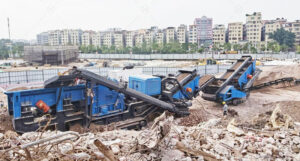
You will find this machine highly useful for urban demolition projects. Its compact design allows it to work in tight spaces where large trucks cannot enter. Furthermore, it often features magnetic separators to remove rebar and other metals from construction waste. This feature creates a clean and reusable material for your new foundation work.
Precision Processing with the Mobile Cone Crusher
If you need to process hard and abrasive materials, a mobile cone crusher is the better option. These units handle materials like granite, basalt, and hard river stones with ease. The crushing action involves squeezing the material between a moving mantle and a stationary liner. This method reduces wear on the internal parts when handling very tough rocks.
Most contractors use this unit for secondary and tertiary crushing stages. It provides a precise final size that meets strict infrastructure standards. Furthermore, modern versions include automated control systems to monitor the crushing gap in real-time. This automation ensures a steady output quality throughout the entire working day.
Key Benefits of Transitioning to Mobile Crushing
Mobile units offer several logistical advantages that stationary plants simply cannot match. You can start production within hours of the machine arriving on the site. This speed is a significant advantage for short-term projects or remote road construction tasks.
Significant Reduction in Transport Costs
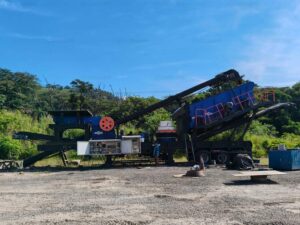
Moving raw rock to a distant plant is one of the highest expenses in mining. A mobile crusher machine eliminates this step by processing the material at the rock face. You only need to transport the finished product to its final destination. This change reduces the number of trucks required on your site. Consequently, you will see a drop in your total carbon footprint and fuel consumption.
Flexibility Across Multiple Project Sites
Many construction firms manage several small projects across a large region. Stationary plants are too expensive to move once you finish a task. However, mobile units travel easily on a trailer or move on their own tracks. You can finish one job in the morning and start another in the afternoon. This versatility keeps your equipment productive and reduces idle time for your crew.
Technical Considerations for Potential Buyers
You should look for several specific features before you finalize your purchase. High-quality engines and robust hydraulic systems are the foundation of a good machine. Ensure the unit has easy access points for routine maintenance and part replacements.
Ease of Maintenance and Part Availability
A machine that is difficult to fix will eventually cause expensive project delays. You should choose a manufacturer that provides clear manuals and local technical support. Check the availability of wear parts like liners and blow bars in your region. Furthermore, look for machines with modular designs that allow for quick swaps of damaged components.
Automated Control and Monitoring Systems
Modern technology makes operating a mobile crusher machine much simpler for your team. Look for units with integrated touchscreens that display real-time performance data. These systems can alert the operator to potential issues before they cause a breakdown. Automation also helps maintain a consistent feed rate for maximum throughput. This stability ensures that you hit your production targets every single week.
Evaluating the Long-Term Investment Value
The initial price of a mobile unit is often higher than a small stationary crusher. However, you must consider the total life-cycle costs of the equipment. A high-quality mobile cone crusher retains a very high resale value in the used market. Durable machines also require fewer repairs and use less fuel over their operating life.
You should calculate the potential savings on hauling and labor costs over three years. Most firms find that the mobile unit pays for itself through these efficiency gains. Smart investment today leads to higher profit margins on all your future construction bids. Your success depends on the reliability and mobility of your crushing fleet.
Conclusion: Selecting the Best Tool for Your Site
Choosing the right mobile crusher machine is a strategic decision for your business growth. Whether you need a mobile impact crusher for recycling or a cone unit for hard rock, focus on quality. High-performance equipment ensures that your projects stay on track and within budget.
Take the time to compare technical specifications from several reputable suppliers today. Ask for performance demonstrations on materials that are similar to your project site. A well-chosen machine serves as a powerful asset for your construction team for many years. Your future projects deserve the efficiency that only mobile crushing can provide.