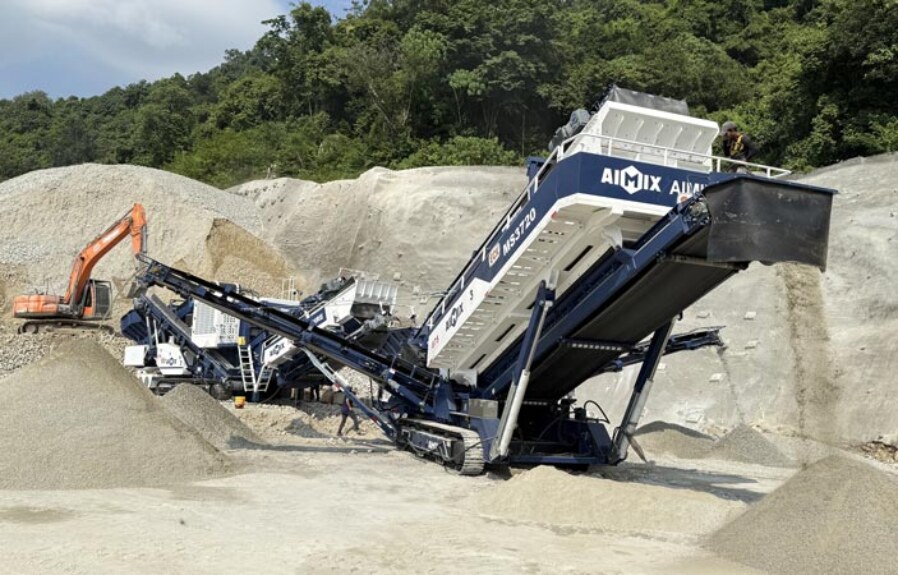
Processing damp or sticky materials is one of the most persistent challenges in the mining and aggregate industry. High moisture content—often resulting from heavy seasonal rains or clay-heavy deposits—can transform a high-efficiency stone crusher plant into a logistical bottleneck within hours. When wet material enters the system, it tends to adhere to the crushing chambers, conveyor belts, and screen meshes, leading to severe blockages that halt production and risk damaging sensitive mechanical components. For any professional aggregate plant operator, developing a robust strategy to mitigate these “sticky situations” is essential for maintaining consistent throughput and protecting the bottom line.
Understanding the Impact of Moisture on System Efficiency
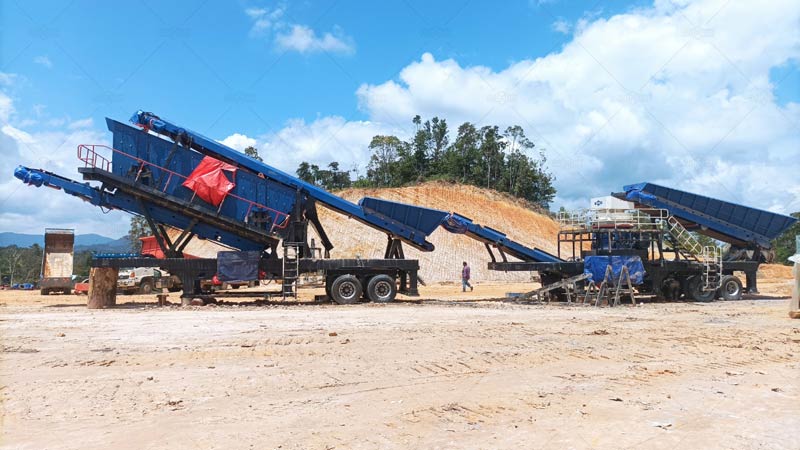
In a standard stone crusher plant(planta de trituración y cribado), the equipment is primarily designed for the mechanical reduction of dry, brittle rock. When moisture is introduced, the physical properties of the feed change; fine particles mix with water to create a sludge-like consistency that acts as an adhesive. This is particularly problematic in a high-capacity aggregate plant where the speed of production leaves little room for manual clearing. The “clogging” usually starts at the primary feeder or within the fine-crushing cavities, gradually reducing the effective exit area and causing the motor to draw more current as it struggles against the added friction.
To maintain operational stability, it is crucial to recognize that moisture management starts at the point of extraction. However, even with the best quarrying practices, technical adjustments within the stone crusher plant are necessary to handle materials that exceed a 5% to 10% moisture threshold. By optimizing equipment configuration and adopting specialized components, an aggregate plant can transition from constant downtime to reliable, continuous operation even in humid climates.
Pre-Screening and Scalping Operations
The most effective way to prevent a blockage is to remove the “troublemakers” before they reach the main crusher. A well-designed stone crusher plant should utilize a heavy-duty grizzly feeder with a scalping function. By vibrating the raw material, the system allows wet fines and soil—which are the primary causes of sticking—to bypass the primary crusher entirely. In many cases, these fines can be diverted to a separate stockpile, ensuring that the aggregate plant only processes the larger, cleaner rocks that are less prone to clogging.
Optimizing Feeding Speed and Volume
Overfeeding is a common cause of blockages when dealing with wet ore. In a modern aggregate plant, the use of automated variable-frequency drives (VFD) on the feeder allows for real-time adjustments. If the stone crusher plant sensors detect a rise in chamber pressure or a decrease in discharge speed, the feed rate can be automatically lowered to allow the machine to “breathe.” This prevents the accumulation of material that eventually leads to a total system shutdown.
Engineering Solutions for Sticky Material Processing
When the material is inherently wet, such as in river stone processing or clay-contaminated mines, standard equipment may need specific modifications. A specialized stone crusher plant intended for high-moisture regions often incorporates wider discharge openings and steeper chute angles. These geometric changes utilize gravity to help overcome the surface tension of the wet material, ensuring it moves through the aggregate plant(planta de agregados) without sticking to the walls of the hoppers.
Utilizing Non-Stick Liners and Coatings
One of the most practical upgrades for an aggregate plant facing moisture issues is the installation of specialized liners. Modern materials science has provided polymer or high-molecular-weight polyethylene liners that feature an incredibly low coefficient of friction. When these are installed in the chutes and hoppers of a stone crusher plant, the “caking” effect is significantly reduced. This is a cost-effective way to improve the flow of material without replacing the core machinery.
The Role of Airflow and Heat
In some high-end aggregate plant configurations, heated screen decks or high-velocity air blowers are used to prevent the “blinding” of screen meshes. While this adds to the energy consumption of the stone crusher plant, it ensures that the separation process remains accurate. If the screens become clogged with wet fines, the entire recirculating load increases, eventually overwhelming the secondary crushers and causing a catastrophic blockage.
Maintenance and Operational Best Practices
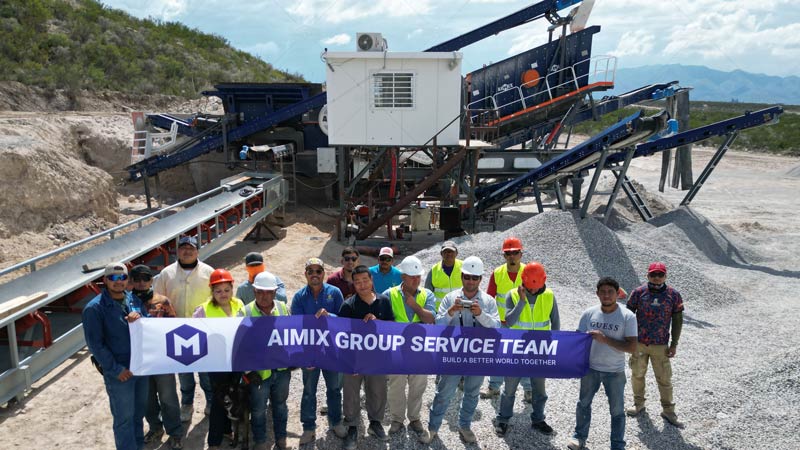
The human element is just as important as the mechanical one when it comes to preventing blockages. In a busy stone crusher plant, operators should be trained to listen for changes in the “hum” of the machines. A deep, muffled sound often indicates that material is beginning to build up in the crushing zone. Early intervention—such as a brief pause in feeding to let the aggregate plant clear itself—can save hours of manual labor later in the shift.
Regular cleaning cycles are also non-negotiable. At the end of each shift, any residual wet material should be cleared from the conveyor scrapers and the discharge area of the stone crusher plant. If left overnight, wet fines can dry and harden into a concrete-like substance, making the next morning’s startup a significant challenge for the aggregate plant team.
Scraper and Belt Cleaner Maintenance
The conveyor belts are the veins of the aggregate plant. High-moisture material often clings to the return side of the belt, leading to “carryback.” This can cause the belt to mistrack or cause material buildup on the pulleys. Ensuring that the stone crusher plant is equipped with high-performance primary and secondary belt scrapers is essential. These scrapers should be inspected daily to ensure they maintain proper tension against the belt.
Selecting the Right Crusher Type
For extremely sticky materials, the choice of crusher type is paramount. While a jaw crusher is a workhorse in a standard stone crusher plant, it can struggle with wet, clay-rich feed. In contrast, certain types of impactors or specialized tooth-roll crushers are better suited for “soft” or wet materials because they use high-speed mechanical force to throw the material through the chamber, preventing the slow compression that allows wet fines to pack together.
Ensuring Sustainable Productivity in Wet Conditions
Successfully managing moisture in an aggregate plant is a holistic process that combines smart equipment selection, strategic maintenance, and real-time operational adjustments. While water is often the enemy of mechanical efficiency, it does not have to be the end of production. By investing in a stone crusher plant that features robust scalping capabilities, non-stick surfaces, and intelligent feeding systems, quarry owners can safeguard their output against the unpredictability of the weather. Ultimately, the goal is to create a resilient system where the aggregate plant remains a profitable asset, regardless of whether the sun is shining or the rain is falling. Consistent vigilance and a proactive approach to equipment health will ensure that your site remains a leader in the competitive world of mineral processing.