In the mining and construction materials industry, the 200 TPH stone crusher price in mining industry is a key consideration for investors and contractors planning large-scale aggregate production. A 200 tons per hour crushing plant is widely used for processing hard rocks such as limestone, granite, and basalt, which are essential raw materials for road construction, infrastructure projects, and commercial building developments. Understanding equipment cost, production configuration, and operational planning is also closely related to learning how to start stone crusher business, especially for new investors entering the mining sector.
Overview of 200 TPH Stone Crusher Systems
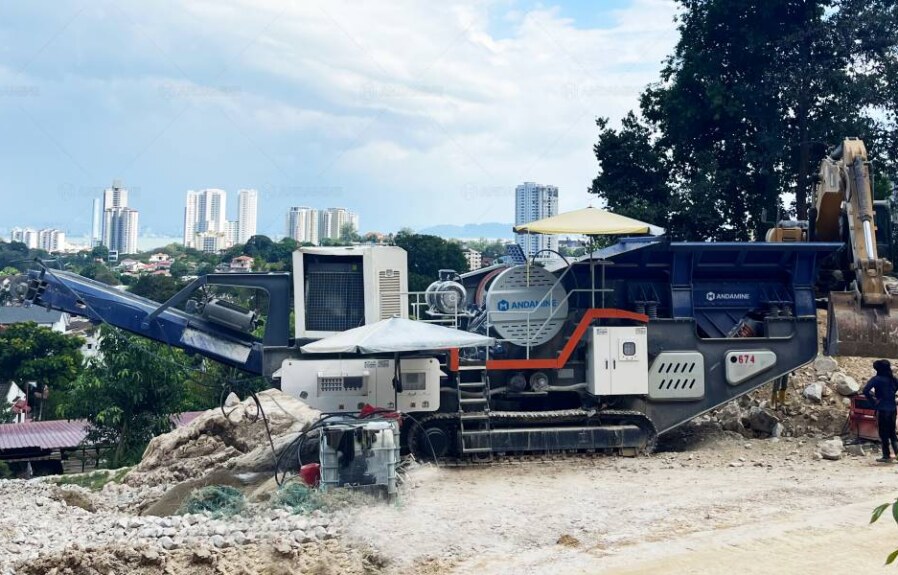
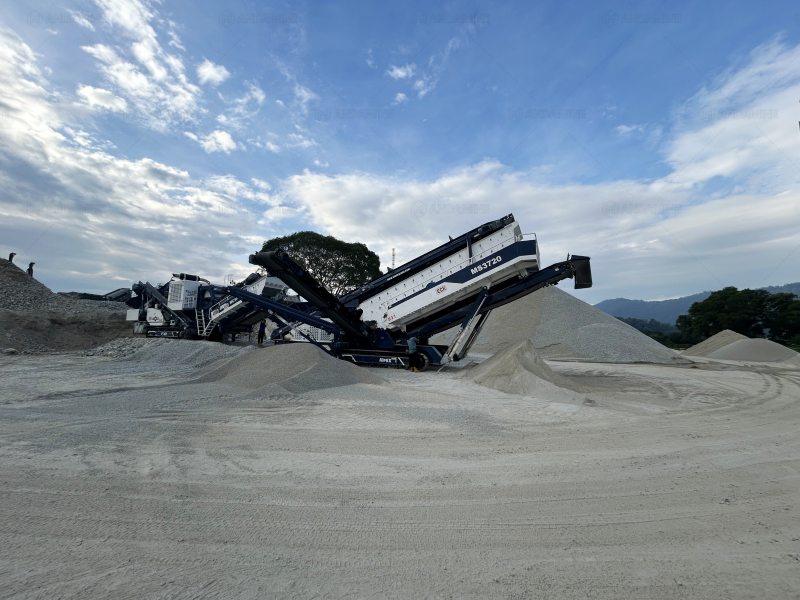
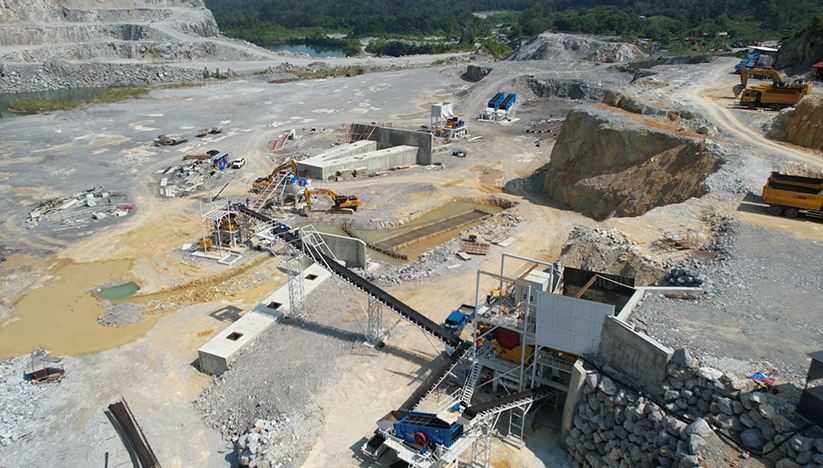
A 200 TPH stone crusher plant is designed for medium to large-scale production needs. It typically includes primary crushing (jaw crusher), secondary crushing (cone or impact crusher), vibrating screen systems, conveyors, and feeding equipment. This combination allows efficient processing of hard and abrasive materials like granite and basalt, as well as softer materials such as limestone.
The price of a 200 TPH system varies significantly depending on configuration, automation level, and brand. Mobile crusher plants tend to have higher upfront costs but offer greater flexibility, while stationary plants are generally more cost-effective for long-term, high-volume production.
Limestone, Granite, and Basalt Crushing Requirements
Different raw materials directly affect equipment selection and overall cost structure.
Limestone is relatively soft and easier to crush, making it suitable for lower wear-resistant equipment. This reduces operating costs and extends machine lifespan. As a result, limestone crushing projects generally have lower total investment compared to harder rock processing.
Granite is much harder and more abrasive, requiring stronger jaw crushers, cone crushers, and wear-resistant components. This increases both initial investment and maintenance costs. However, granite aggregates are widely used in high-strength concrete and infrastructure projects, making them highly valuable in the market.
Basalt is one of the hardest materials used in aggregate production. Crushing basalt requires heavy-duty equipment with high wear resistance and stable performance. This directly increases the 200 TPH stone crusher price in mining industry, as more robust machinery and reinforced structural components are required.
Key Factors Influencing 200 TPH Stone Crusher Price
Several factors determine the final investment cost of a 200 TPH crushing plant:
- Equipment configuration – The number of crushing stages (two-stage or three-stage) affects cost significantly.
- Automation level – Fully automatic control systems increase price but improve efficiency and reduce labor costs.
- Type of crusher – Jaw crushers, cone crushers, and impact crushers all have different pricing structures.
- Mobile vs stationary design – Mobile plants offer flexibility but come at a higher cost.
- Material hardness – Harder materials like basalt require stronger, more expensive equipment.
- Brand and supplier – Global manufacturers often charge higher prices due to advanced engineering and after-sales service.
In addition, transportation, installation, and site preparation also contribute to total investment.
How to Start Stone Crusher Business
Understanding how to start stone crusher business is essential for investors planning to enter the mining and aggregate production industry. The process involves several key steps:
First, market research is required to understand local demand for aggregates such as crushed stone, sand, and gravel. Infrastructure development projects, road construction, and urban expansion are major demand drivers.
Second, selecting the right location is critical. A stone crusher plant should be close to raw material sources such as quarries to reduce transportation costs and improve profitability.
Third, obtaining legal permits and environmental approvals is necessary. Mining and crushing operations are often regulated due to dust, noise, and environmental impact considerations.
Fourth, choosing the right equipment configuration is essential. A 200 TPH plant is suitable for medium to large-scale production, but investors must decide between mobile and stationary setups based on business strategy.
Fifth, selecting reliable equipment suppliers ensures long-term operational stability. Experienced manufacturers provide not only machinery but also installation support, training, and spare parts supply.
Investment Return and Business Profitability
A 200 TPH stone crusher plant can generate strong returns when operated efficiently. Profitability depends on raw material availability, market demand, production cost control, and transportation efficiency.
For example, in regions with active infrastructure development, demand for crushed aggregates remains stable, ensuring continuous business opportunities. Limestone projects may offer lower profit margins per ton but higher production efficiency, while granite and basalt projects provide higher-value products.
Operational efficiency also plays a key role. Proper maintenance, optimized crushing stages, and energy-efficient equipment reduce operating costs and increase overall profitability.
Market Trends in Mining Industry Crushing Projects
The mining industry is shifting toward more automated, energy-efficient, and environmentally friendly crushing solutions. Modern 200 TPH stone crusher systems increasingly include dust suppression systems, noise control measures, and intelligent monitoring systems.
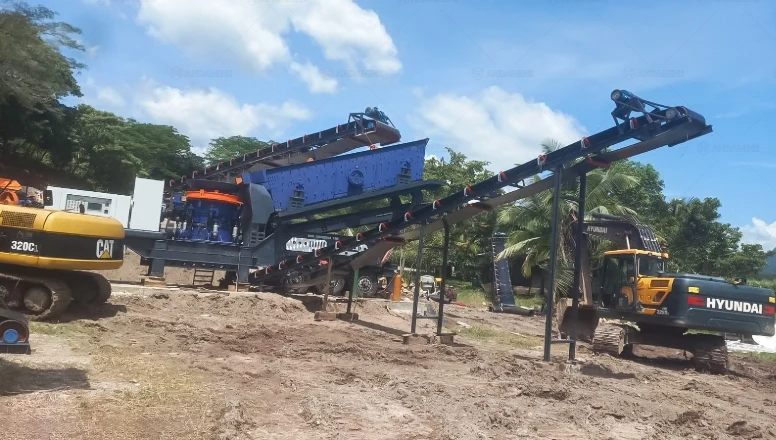
Mobile crushing plants are also becoming more popular due to their flexibility in mining sites and construction projects. This trend allows companies to move equipment closer to raw material sources, reducing logistics costs.
At the same time, demand for high-quality aggregates continues to grow globally, driven by infrastructure expansion in developing countries.
Conclusion
The 200 TPH stone crusher price in mining industry for limestone, granite, and basalt crushing projects depends on multiple factors including material hardness, equipment configuration, and automation level. While limestone projects are generally more cost-effective, granite and basalt require higher investment due to equipment wear resistance and structural demands.
For investors learning how to start stone crusher business, understanding equipment selection, market demand, and operational planning is essential. A well-designed 200 TPH crushing plant can deliver strong long-term returns, especially in regions with active infrastructure development and growing demand for construction materials.