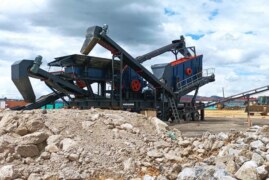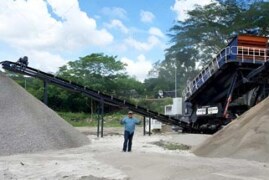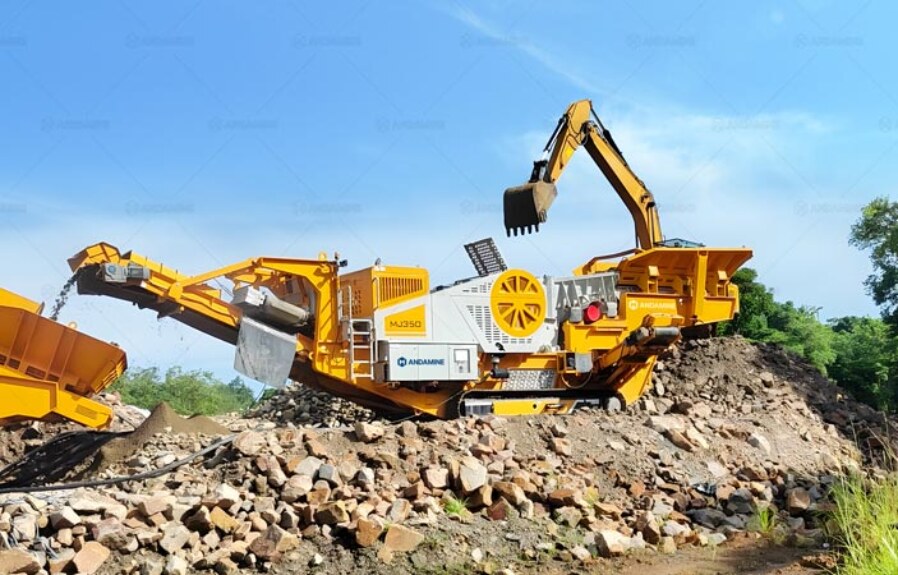
Maximizing hourly throughput while controlling operational expenses is the ultimate goal for any commercial quarry operator or infrastructure contractor. In a modern aggregate production line, the crushing chamber acts as the heart of the entire processing system, directly determining final product quality, graduation precision, and overall volumetric output. However, many facilities operate well below their theoretical capacity due to sub-optimal chamber configurations, improper feed dynamics, or mismatched liner profiles. When a production circuit underperforms, it creates a costly bottleneck that starves downstream screening systems and compromises project delivery timelines. Optimizing the internal geometry and material flow within your primary and secondary crushers is one of the most cost-effective strategies to unlock hidden capacity and boost your bottom line without requiring a full system overhaul.
Understanding the Dynamics of Chamber Optimization
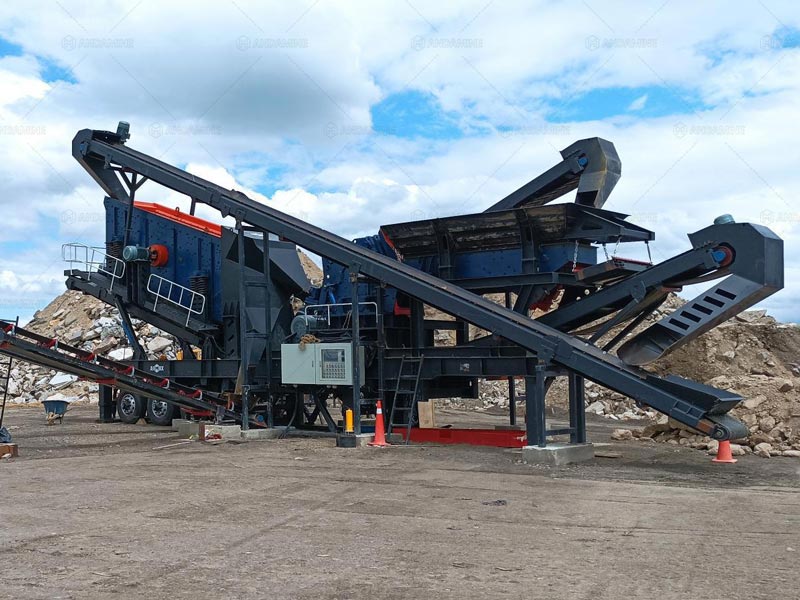
The performance of an aggregate plant(planta de árido) relies heavily on how effectively rock is reduced as it moves downward through the crushing cavity. True optimization requires a perfect balance between the mechanical speed of the machine, the eccentric throw, and the internal design of the wear liners. If these variables are misaligned, the material will either pass through too quickly without sufficient reduction, or pack tightly within the chamber, causing severe mechanical strain and unexpected pressure spikes.
To increase hourly output, plant engineers must analyze the specific compressive strength and abrasiveness of the raw feed material. For operations expanding across South America, understanding regional equipment market dynamics is also essential for smart capital budgeting. Many procurement teams benchmark their expansion costs by analyzing the price of stone crusher in Peru machinery markets to balance upfront capital investment against long-term chamber efficiency. Sourcing equipment with adaptable chamber designs ensures that whether you are processing highly abrasive granite or softer limestone, the internal cavity can be fine-tuned to maintain peak throughput.
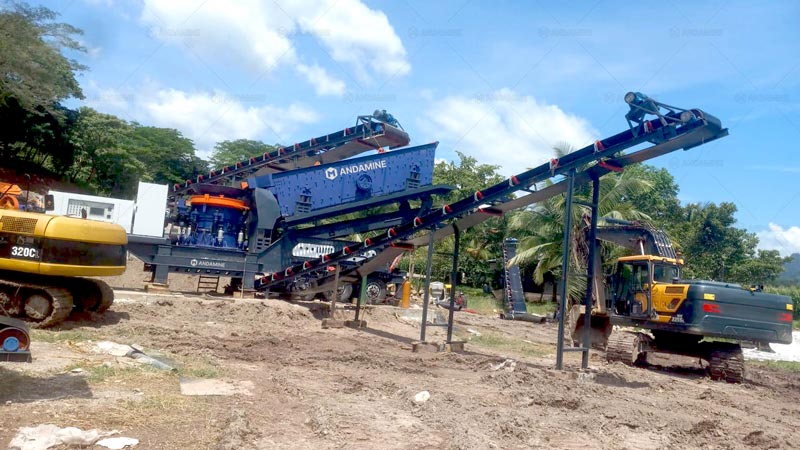
Implementing Choke Feeding for Maximum Efficiency
One of the simplest yet most frequently overlooked methods to optimize an aggregate plant crushing chamber is the implementation of consistent choke feeding. Choke feeding means maintaining a continuous, high head of material directly above the crushing cavity, keeping the chamber completely full during operation.
Benefits of Rock-on-Rock Crushing
When a chamber is properly choked, it forces material to rub against other rocks rather than just impacting the steel wear liners. This rock-on-rock crushing action significantly improves the cubical shape of the final aggregate, which is a critical quality requirement for high-strength concrete specifications.
Eliminating Corrugation and Uneven Wear
Conversely, trickle feeding, or allowing the chamber to run partially empty, causes raw material to bounce wildly inside the cavity. This erratic behavior leads to localized impact zones, uneven liner wear, and a high percentage of elongated, flaky particles that fail strict engineering inspections.
Selecting the Right Liner Profile
Wear liners are not one-size-fits-all components; their internal curves must match your specific reduction ratios and feed size distributions. Standard profiles provided with a generic stone crusher plant may not deliver optimal performance if your quarry face transitions to a harder or more fragmented rock strata.
| Liner Type | Feed Characteristics | Optimization Target |
|---|---|---|
| Coarse | Large, blocky feed | Primary reduction focus |
| Medium | Mixed run-of-quarry | Balanced material flow |
| Fine | Small, pre-screened | Maximum cubical shaping |
When upgrading an existing aggregate plant, working closely with metallurgists to customize the manganese content and cavity curvature can extend liner life by up to 30% while drastically reducing fine particle waste. For companies planning a new site setup, keeping a close eye on the price of stone crusher in Peru(precio de chancadora de piedra en Perú) and surrounding industrial supply networks allows you to procure advanced, high-manganese custom configurations right from the initial installation phase, avoiding retrofitting costs later down the road.
Managing the Closed Side Setting
The Closed Side Setting (CSS) defines the narrowest distance between the crushing surfaces at the bottom of the chamber. Regularly calibrating the CSS compensates for natural liner wear and guarantees that your primary and secondary circuits remain perfectly synchronized to prevent over-crushing.
Maximizing Yield through Advanced Engineering
Unlocking the true potential of your production line requires a continuous focus on the fine details inside the machine. By shifting from a trickle-feed model to a structured choke-feeding operation, selecting specialized liner profiles that match your specific rock types, and monitoring regional market indicators like the price of stone crusher in Peru to source high-grade replacement components, operators can achieve significant double-digit increases in hourly tonnage. Optimizing the internal mechanics of your crushing chamber ensures your entire aggregate plant operates at peak efficiency, delivering premium, highly cubical materials that easily pass rigorous infrastructure quality standards.