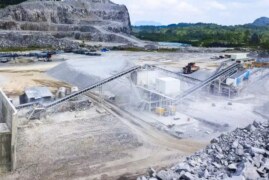
Costa Rica’s construction and infrastructure sectors are growing fast, requiring a steady supply of high-grade construction aggregates. However, quarry operators across the country face a major geological challenge: processing highly abrasive volcanic basalt. Basalt is famous for its extreme hardness and high silica content, which subjects crushing machinery to intense mechanical wear. Processing this tough material with standard equipment leads to rapidly worn liners, frequent jaw plate replacements, and costly operational delays that can quickly ruin a project’s profit margins.
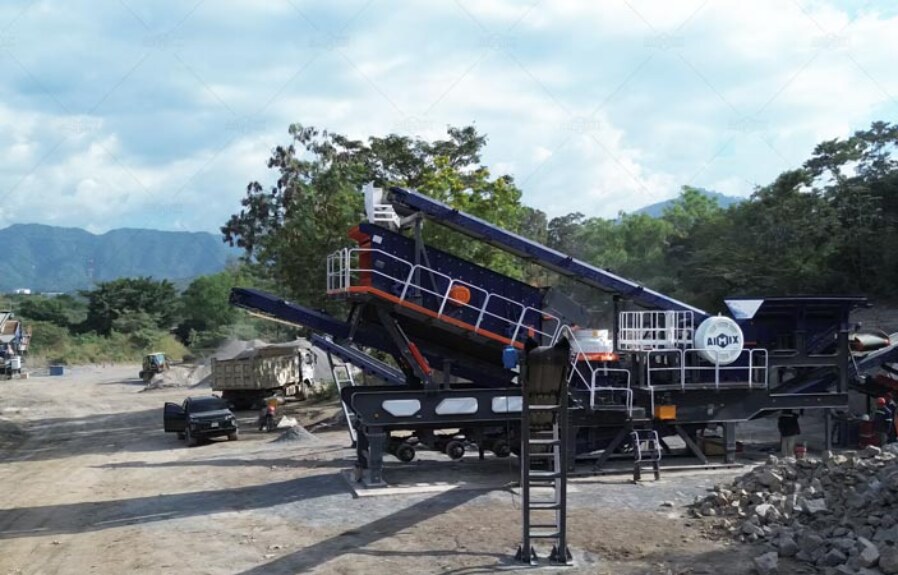
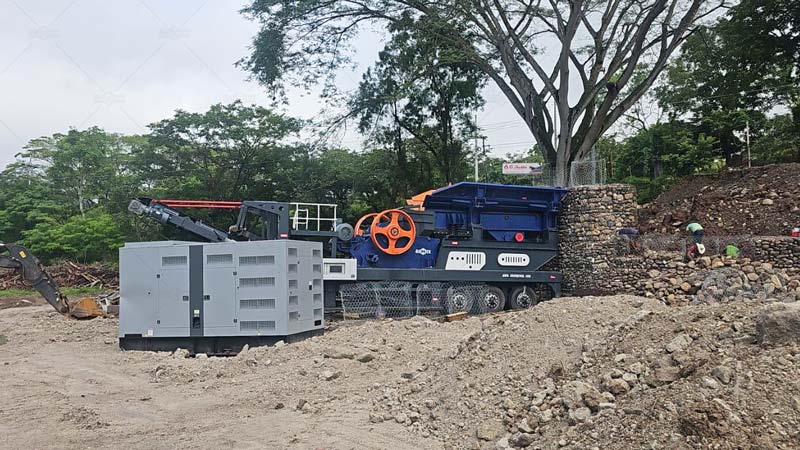
To stay profitable while meeting strict road and bridge specifications, contracting firms are moving away from traditional, stationary setups in favor of flexible, high-capacity machinery. When looking for the ideal setup, producers must choose a system specifically engineered to handle highly abrasive rock. Finding a mobile stone crusher plant(planta trituradora móvil) that features heavy-duty wear protection is essential for keeping operating costs under control. Selecting the wrong machine layout can lead to skyrocketing maintenance fees, while a well-engineered stone crusher plant layout designed for hard rock ensures continuous production and a lower cost per ton.
The Mechanical Challenges of Volcanic Basalt
Basalt’s high compressive strength makes it one of the most difficult materials to process in the aggregate industry. Understanding how its mineral structure interacts with crushing tools is the first step toward choosing a wear-resistant setup.
High Compressive Strength and Silica Content
The dense crystalline structure of Costa Rican basalt gives it a high compressive strength that requires immense kinetic force to fracture. Additionally, its high silica content acts as a natural abrasive, grinding away at steel surfaces during the reduction process. This combination causes severe friction, generating extreme heat and accelerating metal wear on standard impact surfaces.
The Problem with Traditional Impact Systems
Using standard impact crushers as a primary reduction tool for hard basalt is highly inefficient. While impactors excel at shaping softer rocks like limestone, the high abrasiveness of basalt causes rapid blow bar wear. This results in frequent maintenance shutdowns, often requiring parts replacements every few shifts, which disrupts production schedules and lowers overall yield.
Evaluating Primary Wear-Resistant Configurations
To minimize wear costs when processing abrasive rock, heavy infrastructure operators typically rely on a two-stage reduction process using jaw and cone crushers.
Heavy-Duty Jaw Systems for Primary Reduction
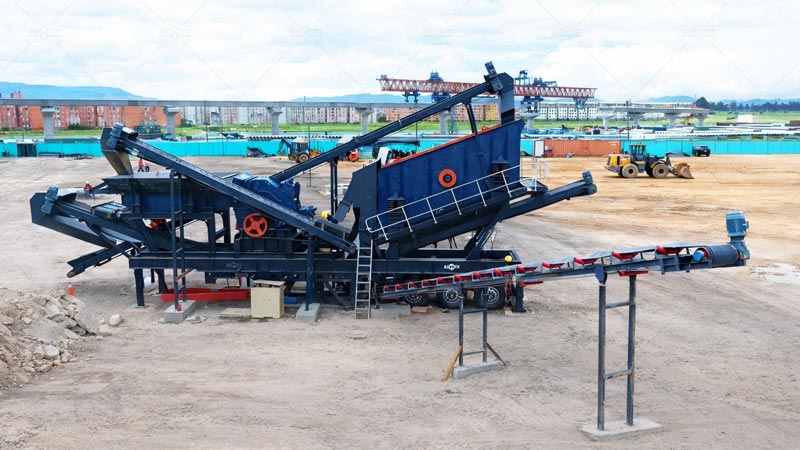
For the initial reduction phase, a track-mounted mobile stone crusher plant equipped with a deep, high-performance jaw crusher is the industry standard. These machines compress the rock rather than impacting it, which significantly reduces abrasive surface wear.
- Optimized Tooth Profiles: High-manganese jaw plates feature specialized tooth configurations that distribute the massive crushing forces evenly, extending the lifespan of the wear parts.
- Heavy-Duty Toggle Designs: Reinforced toggle seats and robust pitman assemblies absorb the intense kinetic rebounds caused by breaking large basalt boulders.
- Reversible Jaw Plates: Operators can flip the jaw plates dynamically to ensure even wear across the steel surface, maximizing the utilization of each wear part before needing a replacement.
Advanced Cone Crushers for Secondary Sizing
For the secondary reduction and shaping phase, producers typically direct the material into a high-efficiency cone crusher. Modern hydraulic cone systems are highly effective at processing abrasive aggregates because they utilize inter-particle crushing dynamics to shape the stone.
- Hydraulic Overload Protection: Built-in tramp release systems allow uncrushable objects to pass safely through the chamber, preventing catastrophic internal component damage.
- Manganese Liner Selections: Operators can choose between coarse, medium, or fine cavity configurations lined with high-grade manganese steel to match the specific feed size of the Costa Rican basalt.
- Variable Speed Control: Adjusting the eccentric rotation speed allows operators to optimize the material throughput, reducing localized friction and extending liner life.
Strategic Maintenance Protocols for High-Wear Operations
Operating an independent stone crusher plant(planta trituradora) in tough quarry environments requires a strict, data-driven field maintenance schedule to ensure long-term reliability.
Daily Inspection and Manganese Wear Tracking
- Measure Liner Thickness: Track liner wear daily using precision gauges to schedule replacements during planned downtime, avoiding mid-shift structural failures.
- Check Wedge Tightness: Ensure all cheek plates and wedge bolts remain tightly secured, as loose wear parts can cause irregular vibrations that damage the main machine frame.
- Monitor Oil Contamination: Check hydraulic and lubrication oils frequently for micro-fine basalt dust contamination, which can cause premature bearing failure if left unmanaged.
Choosing the Right Chassis Layout
| Operational Feature | Jaw-to-Cone Mobile Combination | Single-Chassis Impact Layout |
| Primary Material Suitability | Highly abrasive hard rock (Basalt, Granite) | Soft to medium-hard rock (Limestone, Sandstone) |
| Primary Crushing Mechanism | High-pressure mechanical compression | High-velocity kinetic impact |
| Average Wear Part Lifespan | Long; manganese liners last for weeks | Short; blow bars require frequent replacement |
| Finished Product Shape | Excellent cubical shape via secondary cone | Highly cubical but with high wear costs in hard rock |
Securing Sustainable Profitability in Tough Terrains
Choosing the right equipment configuration is critical for construction companies looking to scale up production in Costa Rica’s challenging geological conditions. While a standard impact system might seem simpler, real-world quarry data proves that a multi-stage mobile stone crusher plant setup utilizing specialized jaw and cone units is far more cost-effective for processing hard volcanic rock.
Investing in a factory-engineered stone crusher plant tailored for hard rock allows producers to significantly reduce unexpected maintenance costs, minimize spare parts overhead, and maintain consistent material production. Taking control of equipment wear resistance helps infrastructure developers protect their operating margins, deliver high-quality aggregates on schedule, and build a strong, resilient foundation for long-term business growth.