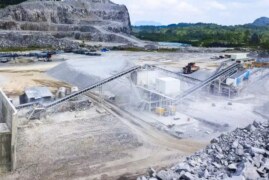
On-site material processing reduces operational expenses and simplifies construction logistics. Modern contractors increasingly combine rock crushing with immediate concrete production on the same site. This comprehensive technical guide analyzes how to execute this dual process effectively.
Understanding the Dual Processing Workflow
The synchronized workflow begins with raw material extraction directly from your site. Next, a mobile jaw crusher breaks the large stones into specific aggregate sizes. Consequently, you obtain fresh, clean stone without any transport delays.
Immediately after the crushing phase, operators load the sized aggregate into a mixing machine. Utilizing a reliable mobile concrete mixer ensures your concrete remains exceptionally fresh. Thus, you prevent the crushed aggregate from absorbing unwanted site moisture during storage.
Streamlining Aggregate Input for Concrete Mixing
Sized aggregates must match strict engineering guidelines to produce highly durable foundations. Round river gravel requires crushing to create rough, angular fracture surfaces. These rough surfaces bond tightly with cement paste. Consequently, the concrete becomes much more stable under heavy loads.
Furthermore, keeping the crushing and mixing units near each other limits material contamination. Dirt and clay often mix with crushed aggregate during long stockpiling phases. Therefore, immediate mixing keeps your ingredients exceptionally clean. This clean aggregate directly improves structural compressive strength.
Equipment Configuration for Maximum Productivity
Contractors must select the correct machinery combination to balance their hourly output rates. A mismatch in capacity will create severe bottlenecks on your project site. Therefore, ensure your primary crusher output matches your mixer demands.
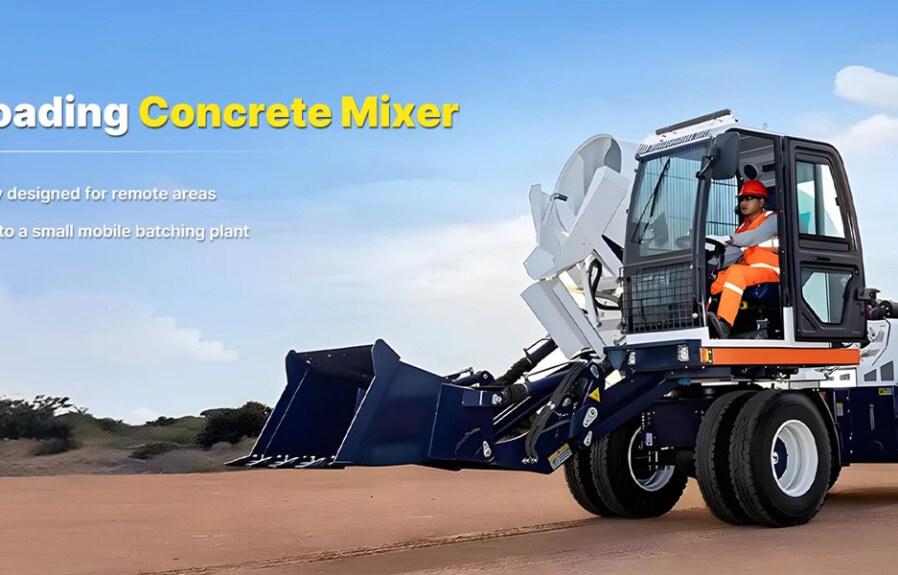
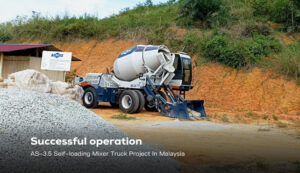
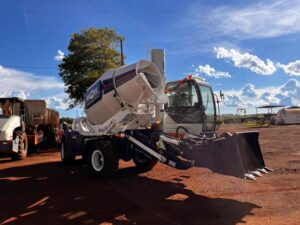
For highly mobile projects, deploying a self loading mixer truck is extremely effective. This specialized vehicle drives directly to the crusher discharge conveyor. The operator then scoops the freshly crushed aggregate into the drum. Subsequently, the onboard system weighs each batch with electronic precision.
Optimizing Cycle Times on Remote Sites
Operating in remote areas requires complete self-sufficiency from external aggregate and concrete suppliers. First, position the mobile screening plant near your rock excavation face. This simple layout minimizes the travel distance for your support loaders.
Second, coordinate the mixing cycles to match your daily concrete pouring schedule. The self-loading mixer can blend ingredients while moving toward the pour zone. Consequently, you achieve continuous concrete delivery without adding extra transport trucks. This workflow optimizes both labor and fuel consumption.
Maintenance Practices for Combined Processing Sites
Operating both crushing and mixing machinery generates intense dust and heavy mechanical vibrations. Therefore, you must execute a strict preventative maintenance program daily. Neglecting regular care leads to sudden, costly equipment downtime.
Clean the crusher jaws and mixer drum thoroughly at the end of each shift. Hardened rock dust and cement paste cause rapid wear on steel liners. Additionally, inspect all hydraulic lines and conveyor belts for structural damage. Replace worn parts early to protect your capital investment.
Environmental and Economic Benefits of Integrated Operations
Combining rock crushing and cement mixing on-site provides outstanding ecological advantages. First, you eliminate the need to transport heavy aggregates over public roads. This reduction lowers fuel usage and decreases carbon emissions significantly.
Second, precise on-site production prevents material overruns and concrete waste. You only mix the exact volume of aggregate that you crush. This sustainable method keeps your job site organized and reduces disposal fees. Ultimately, clean operations improve your market reputation and profit margins.
Conclusion and Sourcing Recommendations
In summary, mobile concrete mixing after aggregate crushing secures complete operational independence. Analyze your daily output targets carefully to select matching machine sizes. Always partner with reputable machinery suppliers who maintain local parts inventories. This strategic planning ensures steady progress for all your infrastructure projects.