Energy costs are rising across South America, and Peru is no exception. Diesel prices fluctuate unpredictably. Electricity rates in industrial zones have climbed steadily over the past three years. For mine and quarry operators, the crushing stage is often the largest consumer of energy on site. This reality is driving a significant shift toward energy-saving crushing plants in the Peruvian market. Operators are no longer asking only about throughput capacity. They want to know how much power a plant consumes per ton produced. This trend is reshaping purchasing decisions and influencing the types of equipment entering the country.
Why Energy Efficiency Matters More Than Ever
Peruvian mining and aggregate operations face converging pressures. Global investors demand lower carbon footprints. Local communities push back against noise and diesel fumes. And most directly, energy costs eat into margins that are already compressed by falling ore grades in some regions. A crushing plant that uses 15% less energy delivers 15% higher profit on the same tonnage, assuming all other costs remain equal.
The Real Cost of Power in Remote Locations
Many Peruvian mines sit far from the national grid. Power comes from diesel generators, which are expensive to fuel and maintain. In these locations, the price of stone crusher in Peru(precio de chancadora de piedra en Perú) is only part of the total cost equation. The ongoing energy expense often exceeds the purchase price of the equipment within three to five years. Savvy buyers now calculate total cost of ownership over ten years when comparing options. A higher upfront price of stone crusher in Peru can be justified if the unit consumes significantly less fuel.
For operations near the Chilean border, equipment mobility adds another dimension. A stone crusher Chile operator may have access to lower energy costs depending on local fuel subsidies or hydroelectric power. Some Peruvian companies are establishing cross-border arrangements where crushing is performed in Chile for material destined for southern Peru. Understanding the price of stone crusher in Peru versus comparable units in Chile helps buyers make informed import decisions.
Key Technologies Driving Energy Reduction
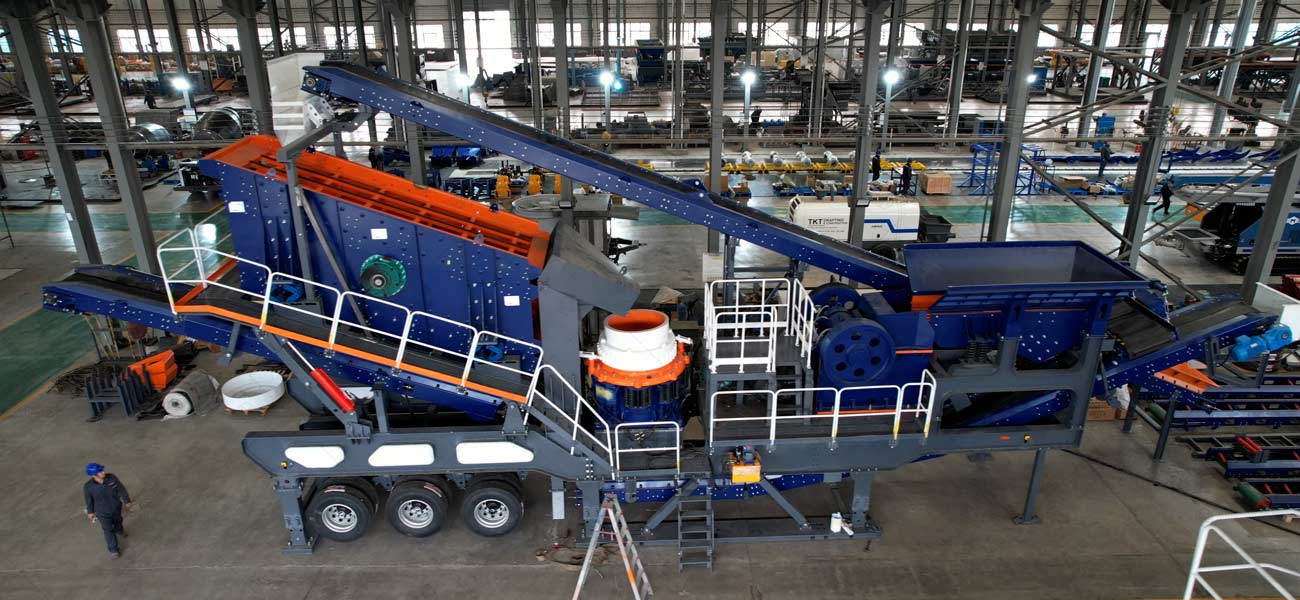
Energy-saving crushing plants are not a single invention. They combine multiple technologies that each contribute modest savings, adding up to substantial reductions.
Electric Drives Replacing Diesel
The most significant energy trend is the shift from diesel-hydraulic to electric drives. A diesel engine converts only about 35% of fuel energy into mechanical power. An electric motor achieves 90% or higher efficiency. For a crushing plant operating 5,000 hours per year, the difference is enormous. Electric plants also require less maintenance and produce no exhaust emissions, improving working conditions.
Some operators worry about grid reliability in remote areas. Hybrid solutions address this concern. A crushing plant runs on grid power when available and switches to an onboard diesel generator during outages. The generator is smaller than what a fully diesel plant would need because it handles only the outage periods, not continuous operation. When calculating the price of stone crusher in Peru, buyers should compare hybrid and fully diesel options carefully.
Variable Frequency Drives on Feeders and Conveyors
Traditional crushing plants run conveyors and feeders at fixed speeds. Material flow fluctuates, but the motors run at full speed regardless. Variable frequency drives (VFDs) change motor speed to match actual demand. When the crusher cavity is full, the feeder slows down. When material is scarce, it speeds up. This simple adjustment reduces energy consumption by 10-20% on the material handling system.
For an operation that already owns a stone crusher Chile(trituradora de piedra Chile) or Peruvian unit, retrofitting VFDs is often the fastest payback energy investment available. The technology is mature, components are widely available, and installation takes days rather than weeks.
Optimized Crusher Chamber Design
Modern crusher chambers are engineered for energy efficiency. Deeper chambers allow material to interlock and crush against itself, reducing the energy required from the eccentric drive. Better liner profiles maintain optimal geometry longer, so efficiency does not degrade as wear parts age. When comparing the price of stone crusher in Peru across different brands, ask about chamber design and its impact on specific energy consumption (kWh per ton).
Practical Applications Across Peruvian Market Segments
Energy-saving crushing plants benefit different types of operations in different ways.
High-Altitude Copper Mines
Mines above 4,000 meters face unique energy challenges. Diesel engines lose power, consuming more fuel per ton produced. Electric drives maintain full performance regardless of altitude. For these operations, the slightly higher price of stone crusher in Peru for an electric model is quickly recovered through lower fuel transport costs. Hauling diesel to high-altitude sites is expensive and risky. Eliminating diesel consumption at the crusher removes that cost and risk entirely.
Coastal Aggregate Quarries
Quarries serving Lima and other coastal cities have reliable grid power but face pressure on electricity costs. Variable frequency drives and optimized chambers deliver consistent savings. Some operators have reduced energy consumption by over 25% by replacing older plants with modern energy-saving designs. The price of stone crusher in Peru for new equipment is offset by electricity savings within two to three years.
Cross-Border Operations
Companies active in both Peru and Chile benefit from comparing energy costs on each side of the border. A stone crusher Chile operation with access to low-cost hydroelectric power may process material for Peruvian customers. Conversely, a Peruvian operation near the border might send material to a stone crusher Chile facility during peak energy price periods in Peru. This flexibility requires careful logistics but can yield significant energy cost savings.
Financial Analysis for Peruvian Buyers
Making the business case for energy-saving crushing plants requires looking beyond the purchase price.
Calculating Payback Periods
Start with your current energy consumption. Measure kWh per ton or liters per hour over a typical month. Compare to manufacturer data for energy-saving models. The difference is your annual energy saving. Divide the premium you pay for energy-saving features by the annual saving. The result is your payback period. For most Peruvian operations, payback ranges from 12 to 30 months.
Factoring in Maintenance Savings
Energy-efficient equipment often requires less maintenance. Electric motors have fewer moving parts than diesel engines. VFDs reduce mechanical stress on belts and bearings. When calculating the true price of stone crusher in Peru, include projected maintenance costs over five years. Energy-saving models typically show lower total cost despite higher upfront price.
Making the Switch to Energy-Saving Equipment
The trend toward energy-saving crushing plants in Peru is not a passing fad. High energy costs, environmental pressure, and competitive markets make efficiency a strategic necessity. Understanding the price of stone crusher in Peru across different technologies allows buyers to make informed decisions. For operators near the border, coordinating with a stone crusher Chile facility adds flexibility. The most successful Peruvian mining and aggregate companies are already adopting these technologies. Their lower operating costs give them room to compete on price while maintaining margins. Energy saving is not just good for the environment. It is good for business.