The heavy-duty crushing sector is currently navigating a crucible of soaring operational expenses and tightening environmental regulations. For quarry operators and contract crushers, the cost of diesel fuel has metamorphosed from a line item into a primary determinant of profitability. The relentless guzzling of fuel to power massive jaw crushers and impactors has long been accepted as an unavoidable cost of doing business. Yet, this acceptance is being challenged by a paradigm shift in mobile processing technology, offering a lifeline to balance sheets that are feeling the squeeze.
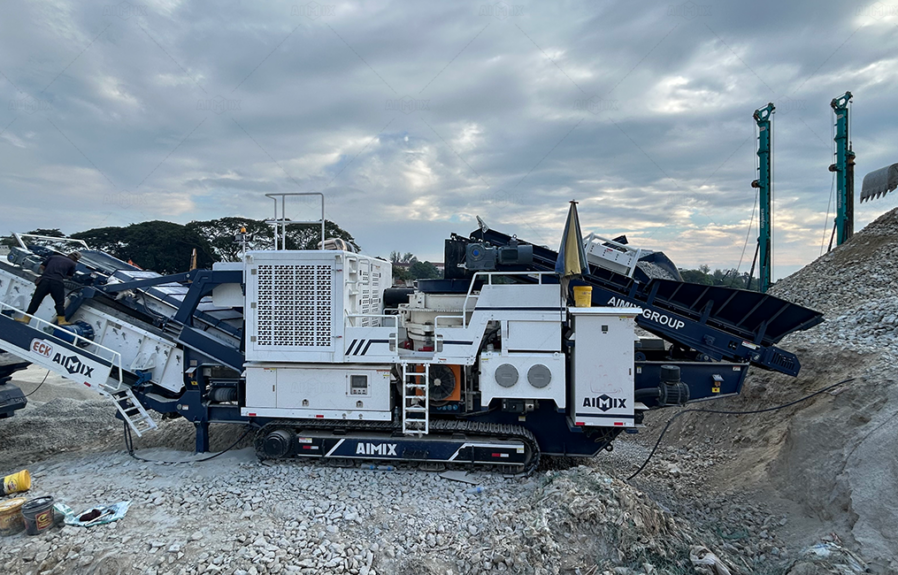
This is the era of the dual power track crusher. This technological evolution represents more than a mere incremental improvement; it is a philosophical realignment of how energy is harnessed in the field. By offering the flexibility to switch between diesel and electric power sources, these machines are rewriting the economic calculus of rock processing. The implications extend far beyond the immediate savings at the fuel pump, encompassing reduced maintenance, enhanced operational resilience, and a significantly diminished carbon footprint. For the discerning operator, understanding the financial mechanics of this dual capability is not just about staying competitive—it is about ensuring the long-term viability of their enterprise.
The Economics of Power Source Agility
Decoupling from the Volatility of Diesel Markets
The price of diesel is a mercurial commodity, subject to geopolitical whims and supply chain perturbations that render budget forecasting a precarious exercise. A dual power crusher provides a strategic bulwark against this instability. When diesel prices spike, operators can seamlessly transition to electric power sourced from the grid, a utility that often benefits from fixed or more predictable tariff structures. This ability to arbitrage between energy sources allows for a more stable and predictable cost base, insulating the operation from the most severe market shocks.
Capitalizing on Off-Peak Electricity Tariffs
The financial acumen of a dual power system extends to the temporal dimension of energy consumption. In many regions, electricity is significantly cheaper during off-peak nighttime hours. An operator equipped with a dual power machine can schedule the most energy-intensive crushing tasks for these periods, securing a cost-per-ton that is substantially lower than what is achievable during peak daytime hours. This strategic scheduling is a potent tool for margin enhancement, turning a simple operational choice into a significant competitive advantage.
Reducing Parasitic Load and Enhancing Efficiency
Internal combustion engines are notoriously inefficient, with a significant proportion of the energy contained in diesel fuel being dissipated as heat rather than converted into mechanical power. Electric motors, by contrast, exhibit a far superior efficiency curve, converting a much higher percentage of electrical energy into usable work. By leveraging electric power, dual power crushers effectively reduce the parasitic load on the system, delivering more crushing power per unit of energy consumed and directly translating to a lower cost per ton of processed material.
Minimizing Engine Wear and Tear
The diesel engine is often the most expensive component to maintain and repair in a heavy-duty crushing plant. Extended idling and operation under heavy load accelerate wear on pistons, rings, and the entire fuel injection system. By utilizing electric power for extended periods, operators can dramatically reduce the engine hours accumulated on their prime mover. This preservation of the engine’s mechanical lifespan translates to fewer overhauls, reduced maintenance downtime, and a higher residual value for the equipment when it is ultimately decommissioned or sold.
Operational Resilience and Site Adaptability
Uninterrupted Production in Challenging Environments
In remote quarry locations, the electrical grid may be unreliable or non-existent. Here, the diesel option is indispensable. However, the dual power functionality ensures that if a fuel delivery is delayed or a generator fails, the operation is not crippled. The ability to switch to an alternative power source provides an unparalleled level of operational redundancy. This resilience is not just a convenience; it is a critical factor in maintaining contractual obligations and avoiding the substantial financial penalties associated with missed delivery deadlines.
Navigating the Labyrinth of Site Constraints
Job sites often present idiosyncratic constraints that dictate the mode of operation. A site with stringent noise or emission regulations might mandate the use of electric power, while a site with limited access to high-voltage connections might favor the portability of diesel. A dual power mobile crusher offers the flexibility to navigate these diverse site conditions effortlessly, ensuring that the machine can be deployed wherever the work exists, without the need for costly retrofitting or the purchase of site-specific equipment.
Environmental Stewardship and Compliance
The construction and mining industries are under increasing scrutiny regarding their environmental impact. The use of electric power, particularly when sourced from renewable energy grids, drastically reduces the carbon emissions associated with crushing operations. This is not merely a matter of public relations; it is increasingly a matter of regulatory compliance. Many jurisdictions are introducing emissions caps and carbon taxes, and the ability to operate on electric power positions a company favorably within this evolving regulatory landscape.
Fostering a Culture of Sustainable Operations
Beyond regulatory compliance, there is a genuine commercial imperative to reduce noise and air pollution. Operating on electric power in urban or peri-urban quarries significantly reduces noise nuisance for surrounding communities, fostering better relationships with neighbors and local authorities. This proactive approach to environmental management can streamline the permitting process and enhance the company’s reputation as a responsible corporate citizen, which is invaluable in securing long-term social license to operate.
Long-Term Financial and Operational Viability
Calculating the Total Cost of Ownership Advantage
A comprehensive total cost of ownership (TCO) analysis reveals the profound financial benefit of dual power technology. While the initial capital outlay for such equipment may be marginally higher, this premium is rapidly offset by the cumulative savings from fuel consumption, reduced maintenance, and extended engine life. Over a typical 10,000-hour operating lifecycle, these savings can amount to a figure that rivals the original purchase price of the machine, effectively paying for itself and generating a substantial return on investment.
Mitigating the Risk of Fuel Contamination and Theft
On-site fuel storage presents a litany of risks, from theft and vandalism to contamination that can cripple sensitive fuel injectors. By reducing the reliance on diesel, a dual power crusher also reduces the volume of fuel that must be stored and managed on-site. This diminishes the logistical overhead of fuel management and reduces the exposure to the financial and operational risks associated with fuel theft and quality issues, offering peace of mind to the site manager.
Future-Proofing the Business
The global energy transition is an inexorable force. As governments and corporations commit to ambitious decarbonization targets, the assets that rely exclusively on fossil fuels are at risk of becoming stranded. A dual power crusher represents a hedge against this future, offering a technological platform that can adapt as the energy grid becomes greener and as battery and hybrid storage technologies continue to evolve. It is an investment not just in current productivity, but in the enduring relevance of the equipment portfolio.
Empowering Strategic Decision Making
Ultimately, the adoption of dual power technology empowers the operator with a degree of strategic control that is otherwise unattainable. The ability to choose the most cost-effective and environmentally appropriate power source for each specific job transforms the crusher from a simple tool into a strategic asset. This is the essence of smart, sustainable, and profitable heavy-duty crushing, and it is a future that is already here.