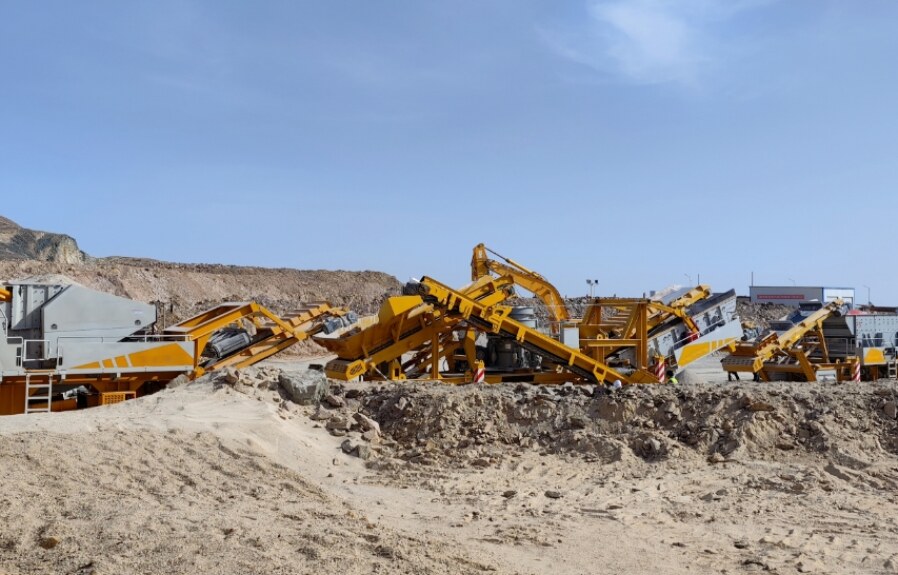
Mine roads are essential for connecting pits, processing areas, stockpiles, workshops, and other facilities, but transporting aggregate over long distances can add significant cost and logistical complexity to a mining project. In Chile, where many mining operations are located far from major cities and aggregate sources, producing road construction material close to the mine can be a practical alternative. A stone crusher machine in Chile can process locally available rock into different aggregate sizes for road base, subbase, drainage layers, and other site infrastructure. The crushing process needs to match the rock characteristics, required product sizes, road conditions, and production schedule rather than focusing only on the crusher’s nominal capacity.
Why Local Rock Matters for Mine Road Construction
Mine roads experience frequent traffic from haul trucks, service vehicles, loaders, and other heavy equipment. Their construction therefore requires aggregate with suitable size distribution, strength, and durability. If suitable rock is available within or near the mining area, crushing it locally can reduce the need to purchase and transport aggregate from an external quarry.
This approach is particularly relevant to remote mining projects. A long haul distance affects transportation time and fuel consumption, while trucks used for aggregate delivery may also compete with vehicles needed for mining operations. A local stone crusher machine can create a controlled supply of construction aggregate closer to the point of use. The actual economic benefit depends on the available rock, crushing volume, haul distance, equipment investment, and the amount of aggregate required throughout the project.
Choosing Local Rock for Mine Roads
Not every rock deposit is automatically suitable for road construction. Before installing a crushing process, contractors normally need to understand the material’s hardness, abrasiveness, weathering condition, and particle characteristics. Geological conditions can vary significantly between Chilean mining regions, so the crushing solution should be based on the actual material available at the project.
Hard rock such as granite, basalt, and some types of volcanic rock can require a robust crushing process and appropriate wear parts. Softer materials may require a different configuration. Marble can also occur in construction and quarrying applications, and a marble crusher machine can be used where marble waste or deposits need to be reduced into usable aggregate. However, whether marble is suitable for a particular mine road depends on its physical properties and the project’s aggregate specifications rather than the material name alone.
How the Stone Crusher Machine Produces Road Aggregate
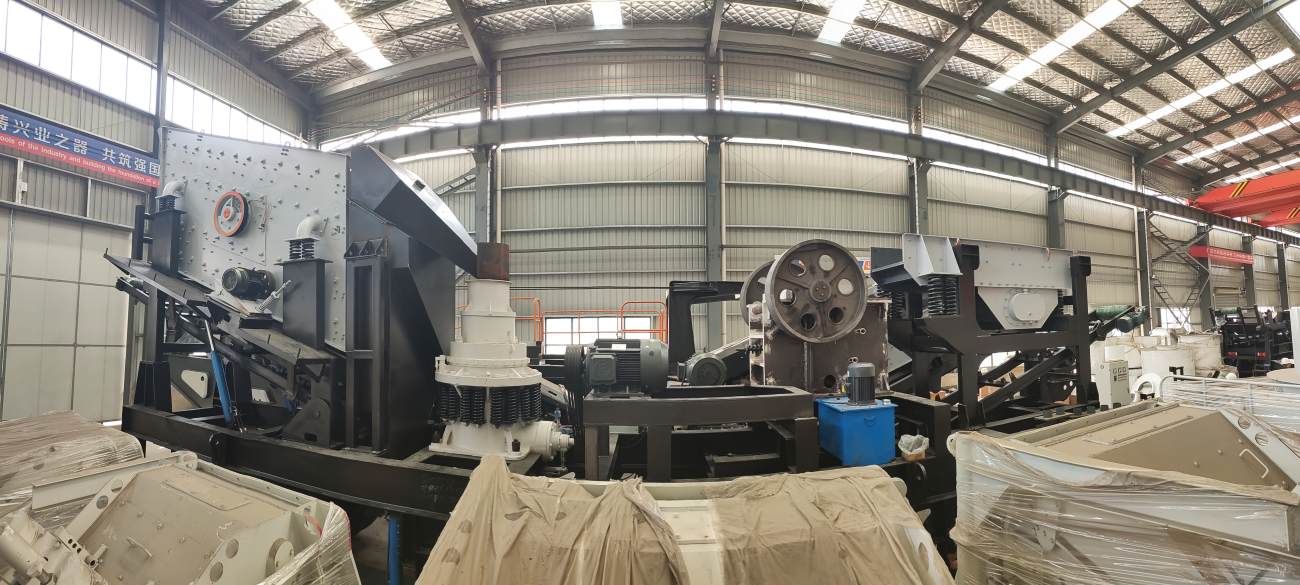
A typical crushing process begins with excavated rock being delivered to a primary crusher. The first stage reduces large pieces into a smaller size that can be handled by secondary or tertiary equipment. Depending on the required aggregate specification, a jaw crusher may be used for primary reduction, followed by a cone crusher or impact crusher for further size reduction and shaping.
Screening is an important part of the process because mine road construction often requires specific aggregate size ranges rather than a single undifferentiated product. The screen separates the crushed material into different fractions, while oversize particles can be returned to the crusher for further processing. This closed-loop arrangement allows the plant to produce more consistent aggregate and control the final product sizes.
Producing Different Aggregate Sizes for Mine Roads
Different layers of a mine road can require different material characteristics. Coarser crushed rock may be used for structural layers or drainage applications, while smaller aggregate can be incorporated into road base or other graded materials. The exact specification depends on the road design, ground conditions, traffic loads, and local engineering requirements.
A stone crusher machine in Chile should therefore be selected according to the required final products rather than only the size of the raw feed. For example, if a project needs several aggregate fractions, the crushing plant needs to work together with a suitable screening system. If the road requires a tightly controlled gradation, crusher settings and screening efficiency become important factors in maintaining product consistency.
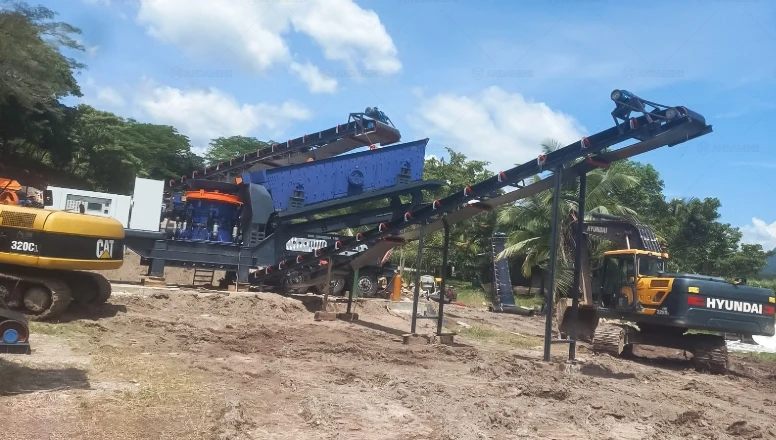
Mobile Crushing for Remote Mine Roads
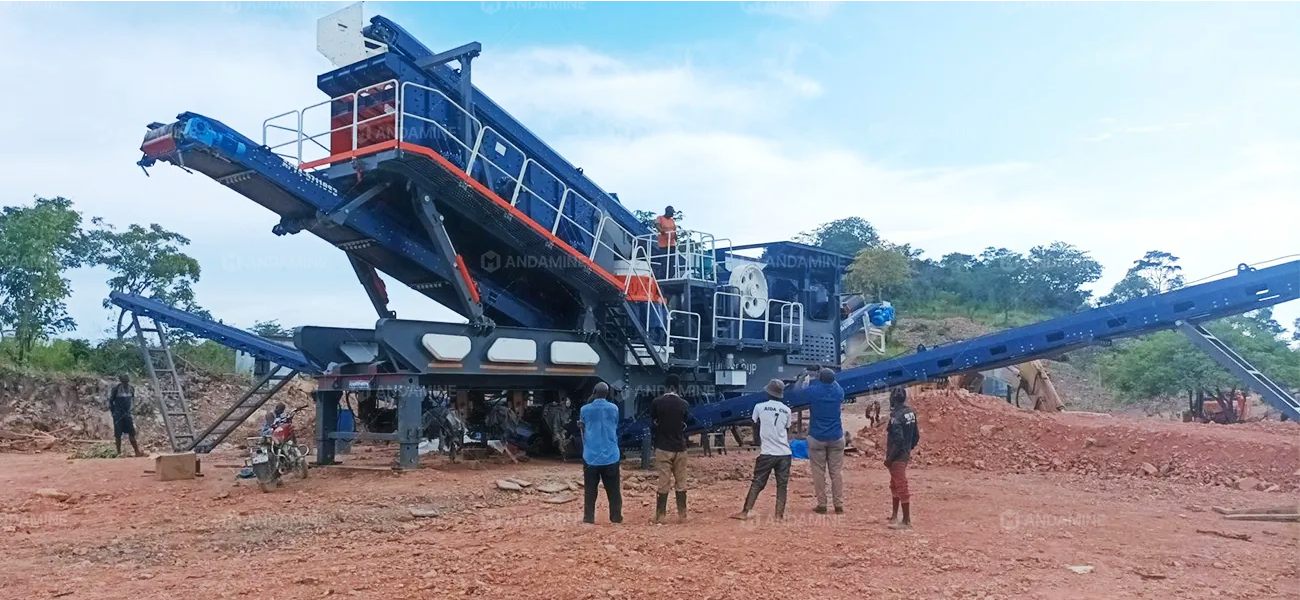
Mobility can be valuable when mine roads are being constructed progressively as a mining operation expands. A mobile stone crusher can be relocated closer to different rock sources or construction areas, reducing the need to transport raw rock over long internal distances. This can be particularly useful when the project covers a large area or when temporary roads are required during different stages of mine development.
However, mobile crushing does not eliminate the need for site planning. Ground conditions, equipment access, feed material availability, stockpile space, and the movement of excavators and loaders all influence where the crusher can operate effectively. For a large and continuous road-building program, a stationary or semi-mobile crushing arrangement may provide a more appropriate production workflow.
Managing Production Around Mining Operations
Mine road aggregate production should be coordinated with the broader mining schedule. If the crusher produces more material than the road construction team can consume, stockpiles can grow and occupy valuable working space. If production is too low, road construction may be delayed while trucks wait for additional aggregate.
The crusher’s rated capacity is therefore only one part of the planning process. Contractors should consider the daily rock supply, actual crusher throughput, screening capacity, loader availability, stockpile capacity, and transportation distance between the crushing area and road construction zones. Balancing these stages can be more important than simply selecting the largest available crusher.
Reducing Aggregate Transport Requirements
One of the main reasons to produce aggregate near a mine road project is to simplify internal logistics. Instead of bringing finished aggregate from a distant commercial quarry, the project can process suitable local rock and move the finished material over a shorter distance. This can reduce dependence on external suppliers and make aggregate availability easier to coordinate with the construction schedule.
The same principle can apply when processing different types of rock or quarry waste. A properly configured stone crusher machine can turn otherwise underused rock into construction material, provided the resulting aggregate meets the technical requirements of the intended application. For certain projects, a dedicated marble crusher machine or another material-specific crushing solution may also be considered when marble is available as a usable feedstock.
Conclusion
Using a stone crusher machine in Chile for mine road construction can provide a practical way to turn suitable local rock into the aggregate needed for road base, subbase, drainage, and other infrastructure. The key is to design the crushing process around the actual geology, required product sizes, road specifications, production schedule, and material flow. In remote mining areas, local aggregate production can also reduce the logistical burden associated with long-distance material transport. Whether the feed is hard volcanic rock, granite, or suitable marble, the crusher and screening process should ultimately be selected according to the properties of the material and the requirements of the finished road.