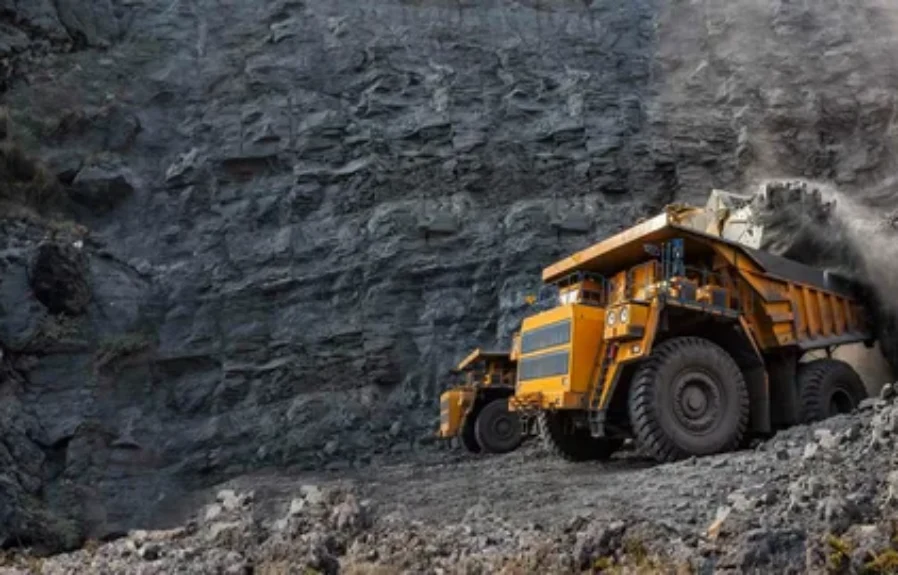
Mining operations depend on the reliable movement of people, materials, and equipment. In large open-pit mines, haul trucks transport ore and waste rock between loading areas, dumping locations, and processing facilities. Even small delays in this process can affect production schedules, fuel consumption, and operating costs.
Managing a mining fleet is more complicated than assigning trucks to routes. Equipment availability, road conditions, loading times, operator performance, and changing production requirements all influence daily output. Data science helps mining companies understand these variables and identify opportunities to improve fleet performance.
Understanding Mining Fleet Data
Modern mining equipment can generate large amounts of operational information. Sensors and onboard systems may record engine temperature, fuel use, payload, travel speed, idle time, and equipment faults.
Fleet management systems can also capture information about dispatch assignments, loading cycles, queue lengths, and travel distances. When these records are combined, they provide a detailed view of how equipment performs throughout a shift.
However, collecting information does not automatically improve efficiency. Mining teams must organize the data, establish consistent measurements, and identify which indicators are most relevant to production goals.
Common fleet performance indicators include:
- Cycle time from loading to dumping and back.
- Average payload and load variability.
- Fuel consumption per operating hour or tonne moved.
- Equipment availability and utilization.
- Waiting time at loading and dumping points.
- Unplanned downtime and maintenance frequency.
Tracking these indicators helps managers understand where time and resources are being lost.
Using Predictive Analytics to Improve Dispatching
Traditional dispatching decisions may rely heavily on operator experience and fixed operating rules. These methods can work well under stable conditions, but changing traffic patterns and equipment availability can make manual planning difficult.
Predictive analytics uses historical and real-time data to estimate what may happen next. For example, a model can estimate how long a truck is likely to wait at a loading point based on the number of available excavators, current queues, and recent cycle times.
Dispatchers can use these estimates to compare possible assignments and reduce unnecessary waiting. If one loading area becomes congested, the system may recommend an alternative destination, provided the material requirements and mine plan allow the change.
These recommendations should remain subject to operational constraints. Shorter travel distance is not always the best option if the destination cannot accept the material or if the route creates safety concerns.
Identifying Hidden Causes of Equipment Delays
A truck may appear unproductive because its total cycle time is longer than expected. Yet the underlying cause could be different from what the headline metric suggests.
For example, excessive cycle time might result from poor road conditions, slow loading, congestion, long dumping times, or unnecessary idle periods. Treating every delay as a dispatching problem can lead to ineffective changes.
Data analysis allows teams to divide the cycle into smaller stages and compare performance across shifts, routes, and equipment types. This helps identify whether a problem is isolated or part of a wider operational pattern.
Once the cause is understood, managers can investigate practical improvements such as road maintenance, loading coordination, revised shift handovers, or adjustments to equipment allocation.
Predictive Maintenance and Fleet Availability
Unexpected equipment failures can disrupt production and create safety risks. Predictive maintenance uses equipment condition data and historical maintenance records to estimate when a component may require attention.
For example, changes in vibration, temperature, pressure, or engine performance may indicate developing mechanical problems. Machine learning models can examine these signals alongside past failure records to identify unusual patterns.
Maintenance teams can use these warnings to schedule inspections before a failure becomes more serious. However, an alert should not automatically trigger a repair or replacement. Qualified technicians must confirm the issue and follow the manufacturer’s maintenance procedures.
The objective is to reduce avoidable downtime without creating unnecessary maintenance work.
Improving Fuel Efficiency and Environmental Performance
Fuel is a major operating expense for many mining fleets. Fuel consumption can rise when trucks idle for long periods, travel on poorly maintained roads, carry unsuitable loads, or operate inefficiently.
Data science can help compare fuel use across equipment, routes, and operating conditions. Managers can then investigate unusual consumption patterns and identify improvements.
For example, a mine may discover that a particular route consistently produces higher fuel consumption because of steep gradients or frequent stops. Changes to road design, traffic coordination, or dispatch plans may improve performance.
Fuel data can also support environmental reporting by helping operators estimate energy use and associated emissions. These estimates must use appropriate measurement methods and clearly documented assumptions.
Integrating Data Across Mining Systems
Fleet information is often stored in several systems, including dispatch software, maintenance platforms, fuel monitoring tools, and production databases. When these systems operate independently, teams may struggle to build a complete picture of performance.
Integrating the data can help create a shared view of equipment activity and production results. It also reduces the need to manually combine reports from different departments.
Mining companies should establish common definitions for indicators such as utilization, downtime, and completed cycles. Otherwise, different departments may report conflicting results even when they are using the same underlying records.
Turning Operational Insights Into Clear Updates
Fleet optimization projects often produce useful findings about productivity, equipment reliability, and fuel efficiency. These findings need to be communicated clearly to employees, management, and relevant business partners.
For example, teams responsible for sharing non-sensitive operational improvements can use social media content tools from Predis.ai to prepare accessible visual summaries. Technical details, confidential production figures, and safety-sensitive information should be reviewed before publication.
Building a Sustainable Fleet Optimization Process
Improving fleet efficiency is an ongoing process rather than a one-time software installation. Companies should begin with a clearly defined operational problem, establish baseline measurements, and test proposed changes on a manageable scale.
Results should be measured against comparable operating conditions, including material type, route length, equipment availability, and shift patterns. This helps distinguish genuine improvements from normal variation.
Data science is most valuable when it supports practical decisions. By combining reliable operational data with experienced personnel and regular performance reviews, mining companies can improve fleet utilization, reduce avoidable delays, and make better use of their equipment.