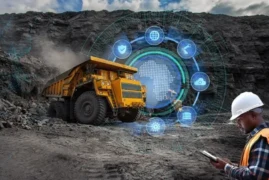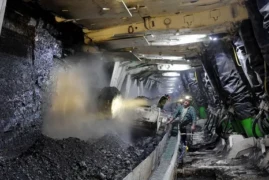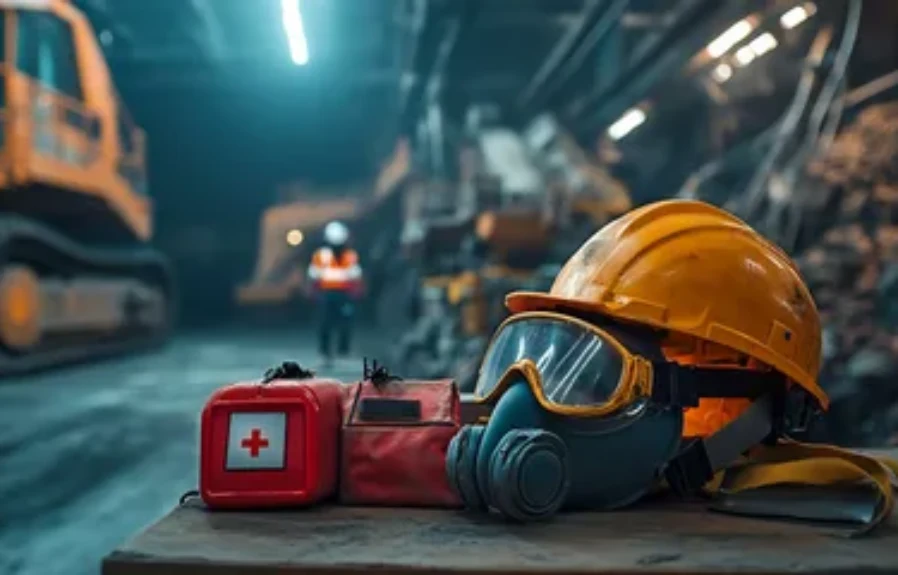
Mining sites contain moving vehicles, heavy machinery, uneven ground, dust, and changing environmental conditions. Workers may operate close to haul trucks, excavators, crushers, conveyors, and other equipment. Preventing accidents requires reliable procedures, trained personnel, and continuous attention to changing hazards.
Computer vision, a field of artificial intelligence, is helping some mining operations analyze visual information from cameras and other imaging systems. When implemented responsibly, it can support hazard detection, equipment monitoring, and more informed safety decisions.
What Is Computer Vision in Mining?
Computer vision enables software to analyze images and video. Using machine learning models, a system can identify objects, recognize patterns, and detect certain changes in a scene.
In mining, cameras may be installed near vehicle routes, conveyor systems, loading areas, processing plants, or other locations where visual monitoring is useful.
Depending on the system, computer vision may identify vehicles, recognize the presence of people in defined areas, monitor material movement, or detect visible changes in equipment conditions.
The system’s purpose should be clearly defined before deployment. A model designed to detect objects in a controlled processing plant may not perform equally well in an underground mine with poor lighting and airborne dust.
Detecting People and Vehicles Near Hazardous Areas
One potential application is monitoring the interaction between workers and mobile equipment. Large haul trucks have blind spots, and operators may not always have a clear view of people or smaller vehicles nearby.
Computer vision systems can analyze camera feeds to identify objects entering designated safety zones. Depending on the installation, alerts may be sent to operators or supervisors when a potentially hazardous situation is detected.
These systems can provide an additional layer of awareness, but they should not replace established traffic rules, physical separation, communication procedures, or operator training.
Detection accuracy must also be tested under realistic conditions. Dust, glare, rain, low light, and camera obstruction can affect performance.
Monitoring Conveyor and Processing Areas
Conveyors, crushers, and processing equipment require regular monitoring. Computer vision can help identify visible irregularities, such as material spillage, blockages, or changes in material flow.
For example, a camera system may identify material accumulating near a transfer point. Operators can then investigate whether the cause is a blockage, a change in feed rate, or a mechanical issue.
Image analysis may also support inspections in areas where direct observation is difficult. However, a visual alert should be confirmed using appropriate inspection methods, particularly when the suspected issue involves moving machinery or a potentially dangerous condition.
Using AI to Improve Safety Training
Visual data can help safety teams explain workplace hazards more clearly. Instead of relying only on written procedures, trainers can use diagrams, approved photographs, and simulated scenarios to show how unsafe conditions develop.
For instance, a training session might demonstrate how restricted visibility affects the interaction between a haul truck and a light vehicle. Another example could illustrate why workers should remain outside designated exclusion zones during equipment operation.
Digital learning materials can make complex procedures easier to understand, particularly when employees work across different shifts or locations.
Any footage used for training should be reviewed carefully to protect employee privacy and avoid exposing sensitive site information.
Integrating Computer Vision With Other Sensors
Camera systems become more useful when their outputs can be compared with other operational data. Vehicle location systems, proximity sensors, equipment telemetry, and site monitoring platforms may provide additional information about an event.
For example, a camera may detect a vehicle approaching a restricted area, while location data helps establish its position and movement. Combining these signals may help the safety team understand the situation more accurately.
However, integration introduces technical challenges. Systems may use different data formats, communication protocols, and time references. Poor synchronization can make it difficult to reconstruct what happened.
Companies should establish clear procedures for data integration, alert handling, and incident investigation.
Limitations and Ethical Considerations
Computer vision is not infallible. Models can miss objects, produce false alarms, or behave differently when lighting and environmental conditions change.
A system should be tested against realistic site conditions before being relied upon for safety-related decisions. Performance should be monitored after deployment, especially when camera locations, equipment, or operating procedures change.
Privacy also matters. Mining companies should define what is recorded, how long footage is retained, who can access it, and whether employees are informed about monitoring practices.
Automated systems should support transparent safety processes rather than becoming unexplained tools for employee surveillance.
Making Safety Information Easier to Understand
Safety teams often need to explain new procedures, lessons from incidents, and changes in technology to employees and contractors. Clear visual communication can help people understand these messages quickly.
For approved educational or awareness campaigns, tools such as a video ad solution from Predis.ai can help teams produce structured visual content. Such materials should focus on accurate safety information rather than presenting promotional content as a substitute for formal training.
Building a Reliable Safety Technology Strategy
Successful computer vision projects begin with a specific safety problem and measurable objectives. Companies should determine which hazards need monitoring, how alerts will be handled, and how system performance will be evaluated.
Operators, safety specialists, maintenance teams, and technology providers should work together during testing and deployment. Regular reviews can reveal missed detections, unnecessary alarms, and changing site requirements.
Computer vision can strengthen mining safety when it is combined with engineering controls, appropriate procedures, and human judgment. Its greatest value lies in helping workers recognize potential hazards earlier and respond using established safety practices.