
Mining has always been a tough business. Operations run in remote locations, equipment is expensive, and a single hour of unplanned downtime can cost a company a significant amount of money. For years, the industry relied on manual processes, experienced judgment, and scheduled maintenance to keep things moving. Today, artificial intelligence is changing that approach. AI automation is helping mining companies work faster, safer, and more efficiently than ever before.
What Is AI Automation in Mining?
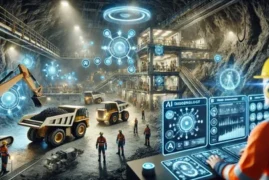
AI automation means using intelligent software and connected machines to perform tasks that once needed constant human input. In mining, this includes analyzing geological data, controlling vehicles, monitoring equipment health, and flagging safety risks in real time. Instead of reacting to problems, operators can now predict and prevent them.
Autonomous Haulage and Drilling
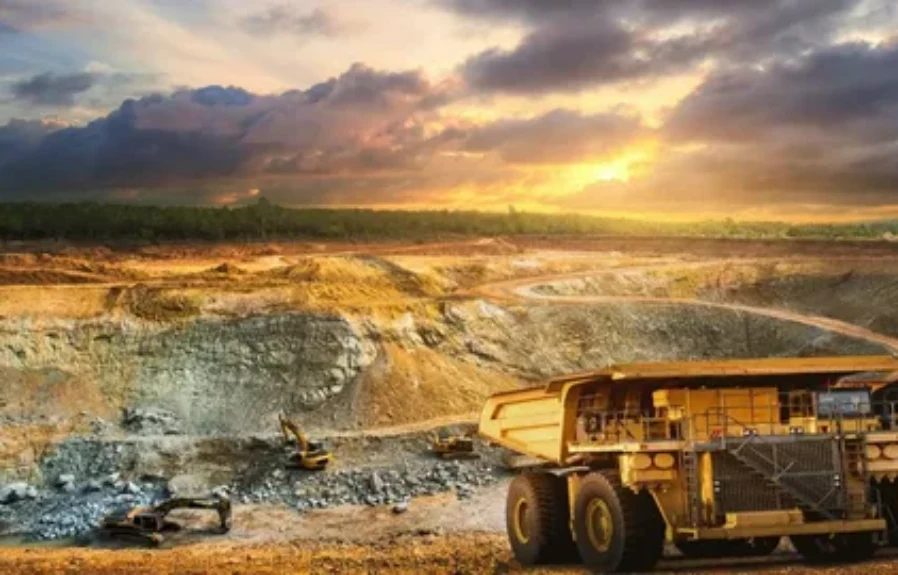
One of the most visible uses of AI in mining is autonomous haulage. Self-driving trucks follow optimized routes around the clock, without fatigue or shift changes. Because they operate with consistent speed and braking patterns, they often reduce fuel use and tire wear while keeping production steady.
Drilling is another area seeing major improvement. AI systems can analyze rock conditions and adjust drilling patterns automatically, which leads to more accurate blasting, better fragmentation, and less wasted energy. Even small gains in precision can translate into large savings across a full operation.
Predictive Maintenance Reduces Downtime
Equipment failure is one of the biggest hidden costs in mining. Traditional maintenance follows fixed schedules, which means parts are sometimes replaced too early or too late. AI-driven predictive maintenance works differently. Sensors collect data on vibration, temperature, pressure, and performance, and machine learning models detect patterns that signal an upcoming failure.
This gives maintenance teams time to act before a breakdown happens. The result is fewer emergency repairs, longer equipment life, and more reliable production planning.
Smarter Exploration and Resource Planning
Finding the right deposit has always been expensive and uncertain. AI can process enormous amounts of geological, satellite, and drilling data far faster than manual analysis. By spotting patterns that humans might miss, these tools help geologists identify promising sites and avoid unproductive ones.
Once a site is active, AI also supports resource planning. It can model ore grades, forecast output, and recommend the best extraction sequence. This helps companies get more value from each deposit while reducing waste.
Improving Safety on Site
Safety remains the top priority in mining, and AI is playing a growing role here. Computer vision systems can monitor sites through cameras and detect hazards such as missing protective equipment, workers entering restricted zones, or unsafe vehicle movement. Wearable sensors can track fatigue, gas exposure, and environmental conditions, sending instant alerts when something is wrong.
By moving people away from the most dangerous tasks and catching risks early, automation helps reduce accidents and create a safer working environment.
The Role of Software and Automation Tools
Behind every successful mining automation project is the right software stack. Data from machines, sensors, and teams needs to be collected, connected, and turned into useful decisions. This is where modern cloud platforms and workflow tools come in. As businesses across industries adopt AI automation tools to streamline repetitive work, mining companies are following the same path to simplify reporting, scheduling, inventory tracking, and compliance tasks.
The key is integration. Automation delivers the best results when fleet management, maintenance, safety, and analytics systems share data instead of working in isolation.
Environmental and Cost Benefits
AI automation also supports sustainability goals. Optimized routes and machine settings lower fuel consumption and emissions. Better water and energy monitoring helps operations stay within regulatory limits. Accurate planning reduces overproduction and material waste.
From a financial view, these improvements add up. Lower maintenance costs, reduced downtime, better yield, and fewer safety incidents all contribute to a stronger bottom line.
Challenges to Consider
Despite the benefits, adopting AI is not simple. Initial investment can be high, and older equipment may not be compatible with modern systems. Remote sites often face connectivity problems, and companies must also train their workforce to work alongside new technology. Data security is another concern, since connected systems create new risks that must be managed carefully.
The best approach is to start small. Many companies begin with a pilot project, such as predictive maintenance on a single fleet, measure the results, and then expand gradually.
The Future of Mining
Mining is moving toward a more digital, data-driven future. As AI models improve and sensors become cheaper, automation will become accessible to mid-sized and smaller operations too, not just global giants. Human expertise will still matter, but the role of workers will shift from manual tasks to supervision, analysis, and decision-making.
Conclusion
AI automation is no longer a futuristic idea for the mining industry; it is a practical tool delivering real results today. From autonomous vehicles and predictive maintenance to smarter exploration and safer sites, intelligent technology is helping mining companies reduce costs, improve productivity, and protect their people. Companies that invest in the right tools and plan their adoption carefully will be best positioned to stay competitive in the years ahead.