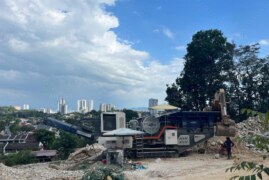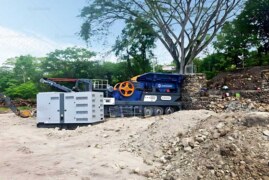

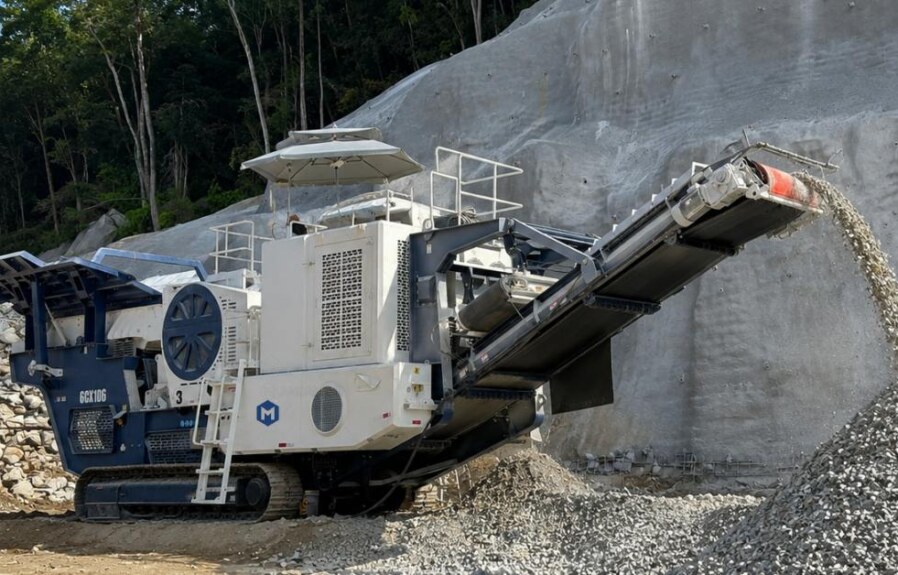
Mobile crusher plants processing mixed rock often face inconsistent feed conditions, including variations in hardness, abrasiveness, particle size, and fracture characteristics. When different rock types enter the crushing system together, equipment loading, crushing efficiency, screening performance, and final aggregate quality can fluctuate. Managing these variations requires a crushing configuration that accommodates changing material properties while maintaining stable production. A properly designed mobile crushing process can reduce unnecessary wear, improve material utilization, and maintain consistent product specifications even when the feed composition changes.
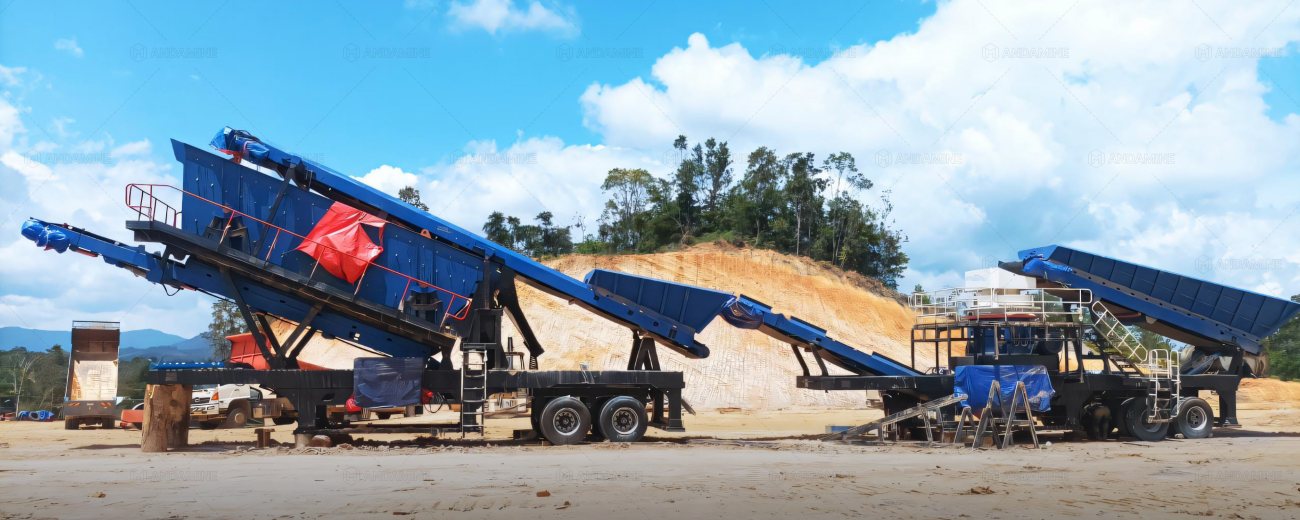
How Mixed Rock Affects Crushing Performance
Mixed rock materials behave differently during crushing because each component has its own resistance to compression, fracture pattern, and wear characteristics. For example, limestone may break relatively easily, while granite, basalt, or quartz-rich rock requires greater crushing force and causes more abrasive wear. When these materials enter the same crusher, the machine may experience uneven crushing loads and inconsistent reduction results.
The problem becomes more noticeable when softer materials are crushed excessively before harder components reach the required size. Soft rock can generate excessive fines, while harder rock may remain oversized and require additional crushing. This creates an uneven product gradation and can increase the circulating load in closed-circuit systems.
Feed size variation also affects production stability. Large rock fragments may consume more crushing chamber space, while smaller particles can pass through the crushing process with limited reduction. Without effective feed distribution and screening, mixed materials may reduce the overall capacity of the crushing plant even when the equipment is operating normally.
Selecting the Right Crusher Configuration for Mixed Rock
The crushing configuration should reflect the hardness range, maximum feed size, required aggregate specifications, and proportion of each rock type. A single crusher may not provide sufficient control when materials have significantly different crushing characteristics.
Jaw Crusher for Primary Crushing
A jaw crusher is generally suitable for primary crushing mixed rock because it can accept large feed sizes and handle different material strengths. Its compression-based crushing mechanism reduces oversized rock into a manageable size for subsequent processing.
For mixed feed containing hard rock and softer stone, the jaw crusher establishes a relatively consistent feed size for the secondary stage. However, its discharge size should be properly controlled to avoid sending oversized material downstream or generating unnecessary fines from softer components.
Cone Crusher for Hard and Abrasive Materials
Cone crushers are commonly used for secondary crushing when mixed feed contains hard, abrasive materials. Their compression crushing action is particularly suitable for reducing granite, basalt, and other hard rock while maintaining relatively stable production.
When softer rock is also present, the operator must consider the effect of excessive crushing on fines generation. Feed distribution, crusher settings, and screening efficiency become important for maintaining the balance between hard-rock reduction and soft-rock processing.
Impact Crusher for More Fracturable Materials
Impact crushers can be effective when the mixed feed contains softer or moderately hard materials that fracture readily. They can also help produce aggregates with favorable particle shapes.
However, processing highly abrasive rock alongside softer material may accelerate wear on blow bars and impact components. The proportion of hard rock in the feed should therefore be evaluated before choosing an impact-based crushing stage.
Managing Feed Distribution and Screening Efficiency
Feed distribution is one of the most important factors when processing mixed rock. If hard, oversized material is concentrated on one side of the crusher, uneven loading may reduce crushing efficiency and increase localized wear. Meanwhile, softer rock can accumulate in the feed hopper or enter the crushing chamber in excessive quantities, affecting material flow.
A vibrating feeder helps regulate the amount of material entering the crusher and maintain a more consistent feeding rate. Where practical, operators can also separate material by size before crushing to prevent smaller particles from passing through the crusher unnecessarily.
Screening is equally important because different rock types may produce different proportions of fines after crushing. A properly selected vibrating screen separates finished aggregates from oversized particles requiring further reduction. This prevents unnecessary recirculation, reduces repeated crushing, and helps maintain the required product gradation.
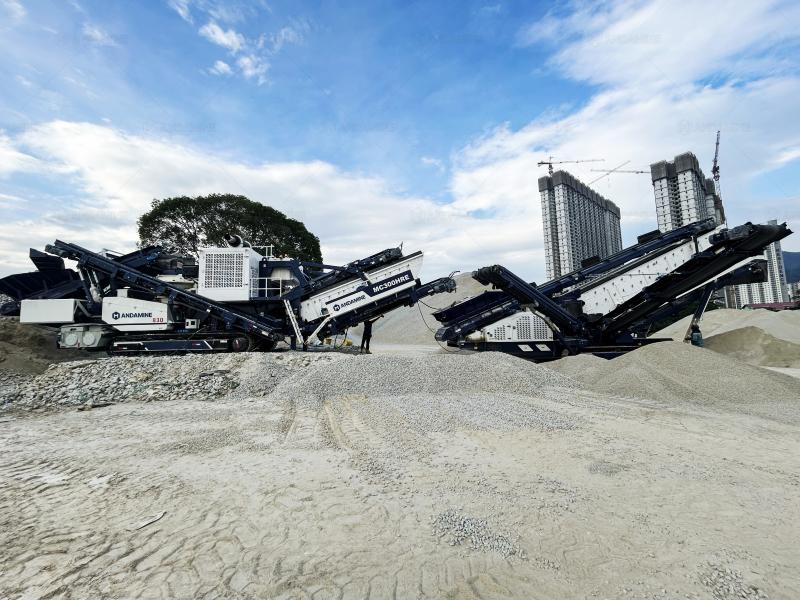
Why a Track Crusher Is Suitable for Variable Material Conditions
This mobility is particularly useful when mixed rock comes from different excavation zones. Operators can reposition the equipment to access material more efficiently, adjust the production arrangement according to site conditions, and reduce unnecessary material handling.
However, mobility alone does not solve differences in rock hardness or crushing behavior. A track crusher still needs an appropriate crusher type, feeding system, screening arrangement, and operating settings. Its configuration should be selected according to the actual material composition and target products rather than mobility requirements alone.
Adjusting Operating Parameters as Material Composition Changes
When the proportion of hard rock increases, the crushing plant may require adjustments to feed rate, crusher settings, and operating load. Feeding too quickly can overload the crushing chamber, while overly restrictive settings may increase energy consumption and wear without delivering meaningful productivity improvements.
When softer rock becomes dominant, operators should monitor fines production and product gradation. Adjusting the feed rate, discharge setting, or screening arrangement may help prevent excessive reduction and improve the yield of saleable aggregates.
Regularly checking the feed material and finished products allows operators to identify changes before they cause major production problems. Monitoring crusher load, discharge size, screen efficiency, and wear condition can provide useful information for making timely adjustments.
Maintaining Product Quality and Controlling Operating Costs
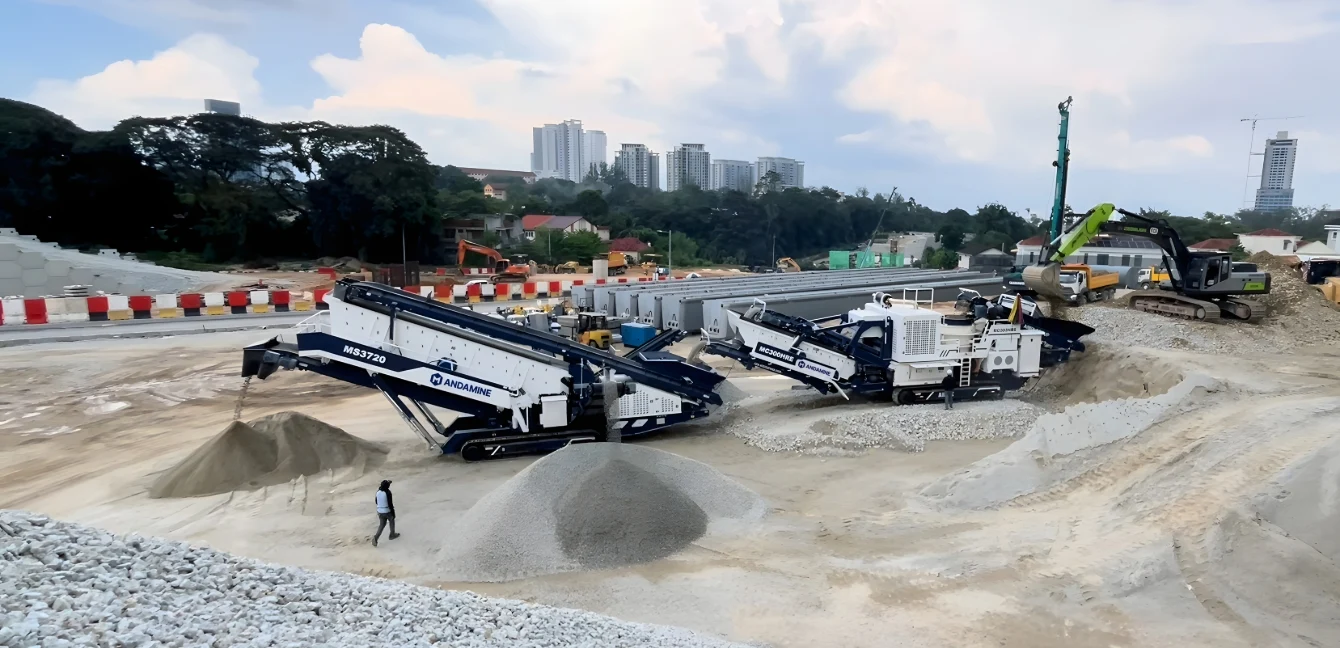
Mixed rock production requires balancing throughput, aggregate quality, and equipment maintenance. Different rock types may produce different particle shapes and size distributions even under the same crushing settings. Therefore, finished aggregates should be checked regularly for gradation, oversize content, and particle shape, particularly when feed composition changes.
Wear parts also require closer attention when processing abrasive materials. Jaw plates, cone liners, blow bars, and other crushing components may wear at different rates depending on the rock composition. Timely inspection and replacement help prevent declining crushing efficiency, unstable product quality, and unexpected shutdowns.
A well-planned mobile crusher plant should minimize unnecessary crushing, maintain efficient screening, and adapt to variations in feed material. By matching equipment configuration, feeding conditions, and operating parameters to mixed rock characteristics, operators can achieve more stable production, better aggregate quality, and lower operating costs across different material conditions.