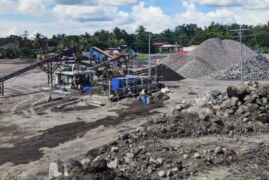
In the mining and aggregate industry of Peru, crushing plants are at the heart of production. Every ton of gravel, sand, or crushed stone used in construction projects passes through these plants. Behind the machines, the work of a crushing plant operator ensures smooth operations from the first switch in the morning to the last maintenance check at night. This article provides a practical, inside look at the daily routine of an operator, focusing on the role of technology, processes, and adaptability in running a modern stone crusher Peru relies on for its growing infrastructure needs.
Starting the Day Preparing the Crushing Plant
A typical day begins early, often before sunrise. The operator’s first responsibility is to prepare the plant for a full day of production. Safety checks come first—ensuring that conveyor belts, feeders, and crushers are free of blockages or debris. Electrical and hydraulic systems are inspected to confirm they are functioning properly.
After safety checks, the operator powers up the feeders and primary crusher. At this stage, large rocks from nearby quarries are loaded into the hopper, where they are directed into the first stage of crushing. The operator carefully monitors gauges, control panels, and camera systems to ensure the feed is steady and the equipment is running within safe parameters. A smooth startup sets the tone for efficient output throughout the day.

The Crushing Process From Coarse to Fine
Once the plant is fully running, the crushing sequence takes over. Material is broken down step by step:
Primary Crushing
Large stones enter the jaw crusher, which handles the rough, initial reduction. This stage transforms oversized material into manageable chunks. For example, stones of 500 millimeters may be reduced to sizes under 150 millimeters.
Secondary Crushing
The operator then oversees the transfer of material to secondary equipment, often a cone crusher or impact crusher. Here, the focus is on reducing medium-sized material into smaller fractions suitable for construction use. At this point, the operator adjusts machine settings to achieve consistent product size, balancing throughput and energy consumption.
Screening and Reprocessing
The crushed material is conveyed to vibrating screens, where it is sorted by size. Oversized particles are redirected back into crushers for further processing. The operator monitors screen efficiency closely, as it directly affects final output quality. Through this continuous cycle, the plant ensures maximum use of raw materials with minimal waste.
The operator’s role is not just to push buttons; it is to understand how each stage impacts the next. In Peru’s mining regions, where raw material quality can vary greatly, this knowledge is crucial to keeping the stone crusher Peru(chancadoras de piedra en peru) plants productive and reliable.
Facing Daily Challenges and Unexpected Events
No two days are identical in a crushing plant. Weather, material variability, and equipment wear all introduce challenges. In rainy seasons, sticky materials can clog feeders and screens, requiring quick adjustments and additional cleaning. In high-altitude sites, colder temperatures may slow down hydraulic systems, demanding extra preheating and careful monitoring.
Operators are trained to detect abnormal sounds, vibrations, or sudden drops in throughput. Quick reactions—such as shutting down a section of the line or adjusting the feed—prevent larger breakdowns. Problem-solving is part of daily life, and it requires both technical skill and practical intuition.
Operator Responsibilities Beyond Production
Maintaining the Equipment
At the end of the production cycle, operators dedicate time to maintenance. Lubricating bearings, inspecting wear parts like liners and hammers, and tightening loose bolts are routine but vital tasks. Preventive maintenance reduces unplanned downtime and extends the lifespan of costly machinery.
Ensuring Safety and Compliance
Operators also ensure that dust suppression systems are active, noise levels are within limits, and safety guards are in place. In Peru, environmental compliance is increasingly important, and crushing plant operators play a direct role in keeping operations sustainable.
Documentation and Reporting
Before finishing the day, the operator records production data, reports any unusual incidents, and communicates with the maintenance and management teams. These records help improve efficiency and plan for upcoming production targets.

The Human Perspective Working With Heavy Machinery
Behind every ton of aggregate is a person balancing technical expertise and physical effort. For an operator, the sense of accomplishment comes not just from tons produced, but from knowing the plant ran safely and efficiently. The role demands discipline, adaptability, and resilience, especially in Peru’s diverse terrain and climate conditions.
Operating a crushing plant is more than a job; it is a responsibility to ensure that roads, bridges, and buildings across the country are built with reliable materials. From the first machine startup in the morning to the last maintenance task at night, a Peruvian operator’s day is a blend of skill, attention to detail, and dedication.
Conclusion
The daily life of a crushing plant operator in Peru illustrates how essential human expertise is to modern mining and aggregate production. While machines do the heavy lifting, it is the operator who ensures everything works together smoothly. From startup checks and crushing sequences to maintenance and problem-solving, the role is complex yet rewarding. As the demand for infrastructure grows, the importance of efficient and reliable stone crusher Peru plants—and the operators behind them—will only continue to rise.