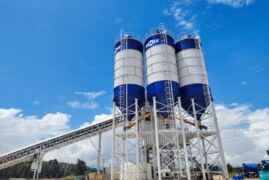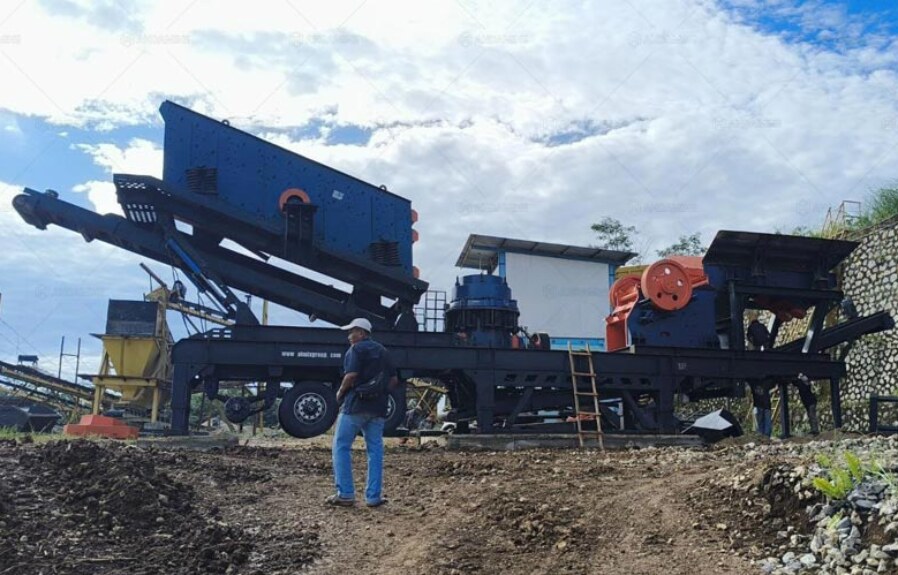
In the rapidly evolving construction and mining sectors of Latin America, flexibility and efficiency are critical for project success. Contractors frequently face the challenge of meeting high aggregate demand while managing short-term, temporary projects or phased developments. Mobile aggregate plants have emerged as a practical solution, offering both adaptability and operational efficiency. By leveraging the capabilities of a mobile stone crusher and modular crushing systems, operators can produce high-quality aggregates with minimal downtime and reduced logistical challenges.
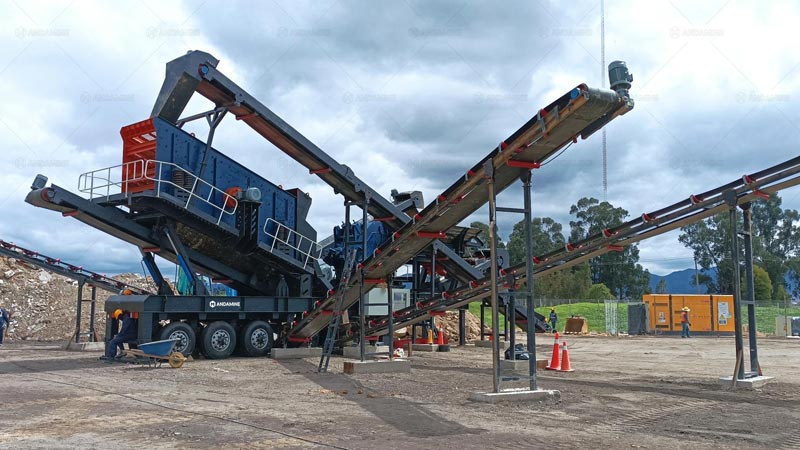
The Rise of Mobile Aggregate Plants
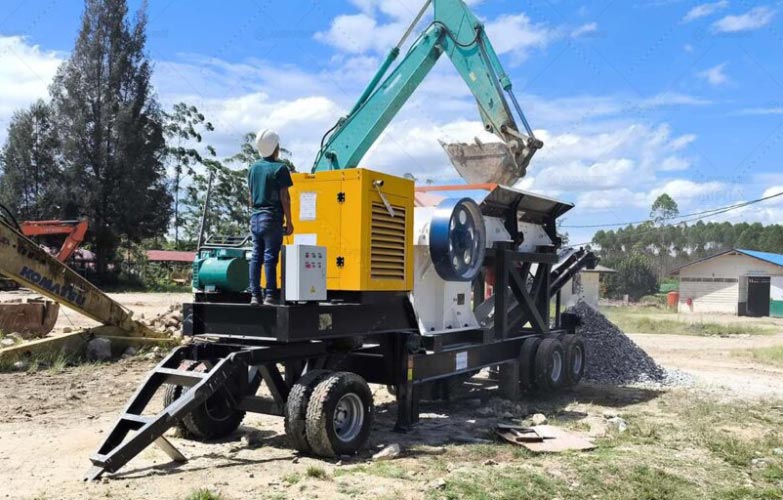
Unlike fixed aggregate crusher plant(planta de trituración de agregados) installations, mobile aggregate plants are designed for easy relocation and rapid deployment. They provide contractors with the ability to move production to the source of material or to multiple sites within a single project cycle. This flexibility is particularly valuable in regions with scattered quarry locations, short-term infrastructure projects, or phased development plans.
Key Advantages of Mobility
-
Rapid Deployment: Mobile plants can be set up quickly, often within days, reducing the lead time required to begin aggregate production.
-
Lower Site Preparation Requirements: Unlike fixed plants, mobile units require minimal groundwork and infrastructure, making them ideal for temporary or seasonal projects.
-
Adaptability to Multiple Sites: Operators can transport the plant to different locations as the project progresses, minimizing material transport costs.
Operational Benefits for Temporary and Phased Projects
Temporary projects and phased development plans demand a dynamic approach to aggregate production. Mobile plants allow contractors to respond to evolving material needs and site conditions efficiently.
Efficiency in Production
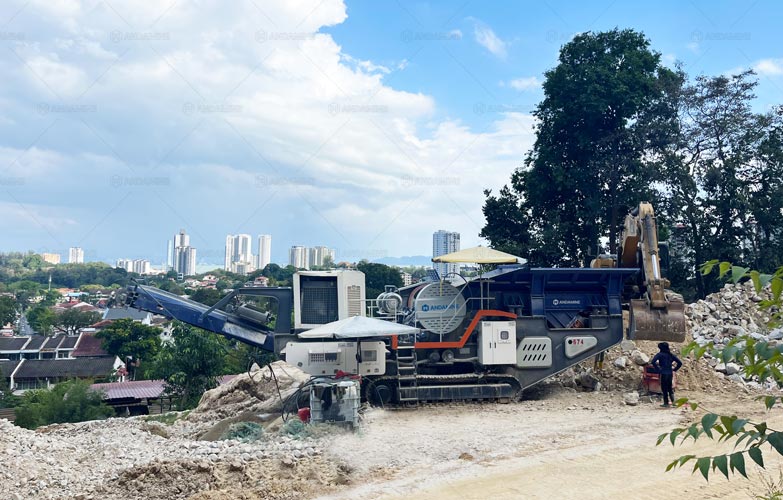
A mobile stone crusher(trituradora movil de piedra) integrated into a multi-stage crushing system can produce consistent aggregate sizes while maintaining high throughput. The modular nature of these plants ensures that production can scale according to project phases, helping contractors avoid both underproduction and unnecessary inventory.
Cost-Effectiveness
While mobile plants may have slightly higher per-ton operating costs compared to fixed plants, they reduce overall project expenses by minimizing transportation, setup, and relocation costs. Additionally, contractors avoid large upfront investments in permanent infrastructure, making mobile plants a financially practical choice for temporary projects.
Material Quality and Versatility
Modern mobile plants incorporate advanced crushers, screening systems, and conveyors to ensure high-quality output. Operators can produce aggregates suitable for concrete, asphalt, and road base applications directly on-site. The ability to adjust production parameters also allows contractors to process different types of raw material from various quarry sources without compromising quality.
Applications in Latin America
Latin American contractors often face unique logistical challenges, including remote project locations, dispersed material sources, and varying terrain conditions. Mobile aggregate plants offer practical solutions to these challenges:
- Infrastructure Development: Road, bridge, and port construction projects can benefit from on-site aggregate production, reducing material transport distances and costs.
- Mining and Quarry Operations: Mobile plants allow for efficient processing of raw stone directly at the quarry, enabling phased extraction and minimizing idle time.
- Urban Development Projects: Temporary residential or commercial projects often require small-scale, high-quality aggregates, which can be produced efficiently using mobile units.
Complementing Fixed Plants
For contractors managing multiple long-term projects, mobile plants can complement existing fixed aggregate crusher plant installations. Mobile units provide flexibility for short-term or remote projects, while fixed plants handle large-scale, continuous production. This combination ensures that operations remain efficient and cost-effective across diverse project requirements.
Strategic Considerations for Implementation
When deploying mobile aggregate plants, contractors must consider several factors to maximize operational efficiency:
- Site Accessibility: Mobile plants are best suited for sites with adequate access for transportation and maneuvering of equipment.
- Material Source Quality: Ensuring a consistent supply of raw material is crucial to maintain aggregate quality and production efficiency.
- Maintenance and Operator Training: Regular maintenance and skilled operators are essential to maintain plant performance and minimize downtime.
Conclusion: Unlocking Flexibility and Efficiency
Mobile aggregate plants represent a practical, cost-effective solution for temporary projects and phased developments in Latin America. By combining the mobility of a mobile stone crusher with the production capabilities of a modular aggregate crusher plant, contractors can achieve high-quality aggregates, reduce operational costs, and respond dynamically to evolving project demands. Whether supporting infrastructure projects, mining operations, or urban development initiatives, mobile aggregate plants offer the flexibility and efficiency necessary for success in today’s competitive construction and mining markets.