Granite is one of the hardest and most abrasive rocks processed in the mining and aggregate industries. Its high compressive strength makes it an excellent raw material for construction aggregates, road bases, railway ballast, and concrete production. However, these same characteristics also create significant challenges during crushing and screening. To achieve maximum productivity and profitability, mining companies must carefully design their granite crusher plant to match material properties, production requirements, and site conditions. A well-designed plant not only increases output but also reduces operating costs, minimizes downtime, and improves product quality.
Start with a Comprehensive Material Analysis
The foundation of any successful granite crusher plant design begins with understanding the material itself. Granite deposits can vary significantly in hardness, abrasiveness, moisture content, and particle size distribution. These characteristics directly affect equipment selection, wear rates, and overall plant performance.
Before selecting crushers, operators should conduct detailed geological surveys and material testing. Understanding feed size, rock strength, and expected production volumes helps engineers determine the most suitable crushing process. For example, highly abrasive granite may require heavy-duty jaw crushers and cone crushers designed with wear-resistant components to withstand continuous operation.
Accurate material analysis also prevents under-sizing or over-sizing equipment. Properly matched equipment ensures consistent production while avoiding unnecessary energy consumption and maintenance expenses.
Design an Efficient Multi-Stage Crushing Process
Because granite is a hard rock material, achieving the desired aggregate sizes typically requires multiple crushing stages. A well-designed process flow allows the plant to maximize throughput while maintaining high-quality finished products.
The primary crushing stage usually utilizes a jaw crusher to reduce large blasted rock into manageable sizes. Jaw crushers are preferred because they provide high crushing force and can handle large feed materials directly from the mining face.
After primary crushing, secondary and tertiary crushing stages are commonly performed using cone crushers. Cone crushers are highly efficient for processing hard granite and can produce uniform aggregate sizes with lower wear costs compared to other crushing technologies. Depending on product requirements, a tertiary cone crusher may be added to achieve finer material specifications.
An efficient crushing circuit balances the workload across each stage. Bottlenecks at any point in the process can significantly reduce overall mining output.
Optimize Screening and Material Flow
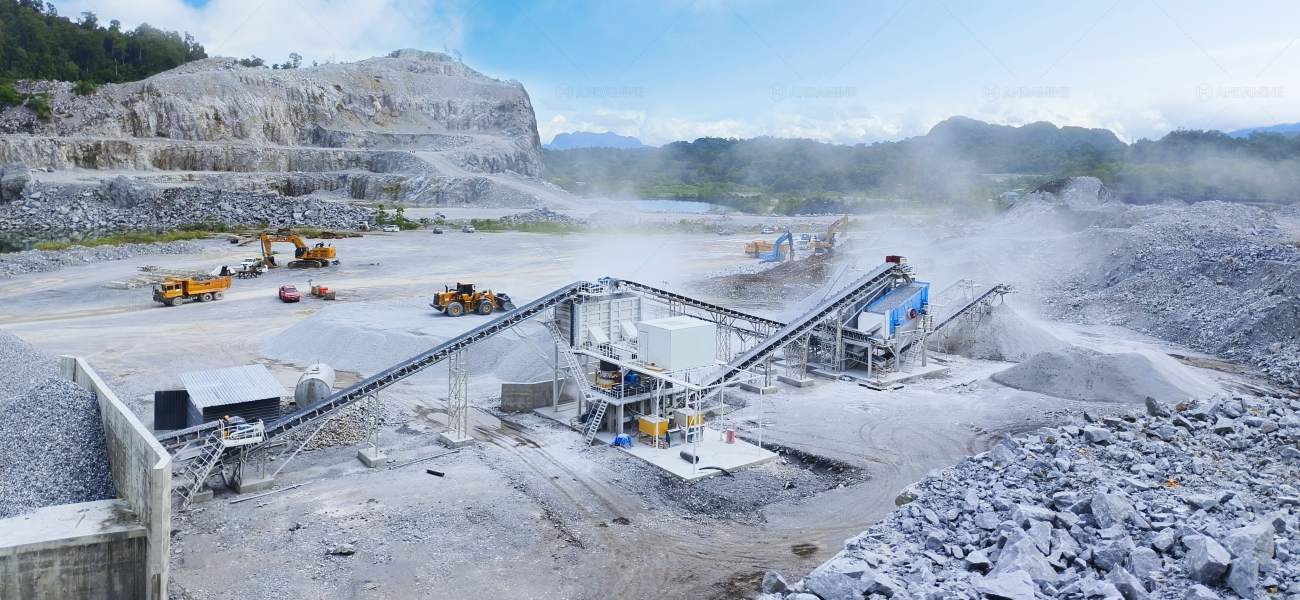
Screening equipment plays a critical role in maximizing granite crusher plant productivity. Proper screening ensures that only oversized materials return for further crushing while finished products are separated efficiently.
Multi-deck vibrating screens are commonly used to classify materials into different aggregate sizes. Accurate screening reduces unnecessary recirculation, minimizes energy consumption, and improves final product consistency.
Material flow should also be carefully planned throughout the plant. Conveyors, transfer points, and stockpile areas must be designed to prevent material buildup and production interruptions. Smooth material movement between crushing and screening stages helps maintain continuous operation and maximizes plant utilization.
Effective plant layout design can also reduce transportation distances within the facility, lowering operational costs and improving overall efficiency.
Select Equipment Based on Production Goals
The capacity of the granite crusher plant should align with current production requirements while allowing room for future expansion. Many mining projects underestimate future demand and later face costly upgrades or operational limitations.
When selecting equipment, operators should consider hourly production targets, feed size requirements, and desired finished product specifications. Each component within the crushing system should be sized appropriately to maintain balanced production.
Equipment reliability is equally important. High-quality crushers, feeders, screens, and conveyors may require a higher initial investment but often deliver lower lifecycle costs through reduced maintenance and longer service life. Choosing proven equipment suppliers can significantly improve long-term operational performance.
Consider Mobile Crusher Plants for Flexible Mining Operations
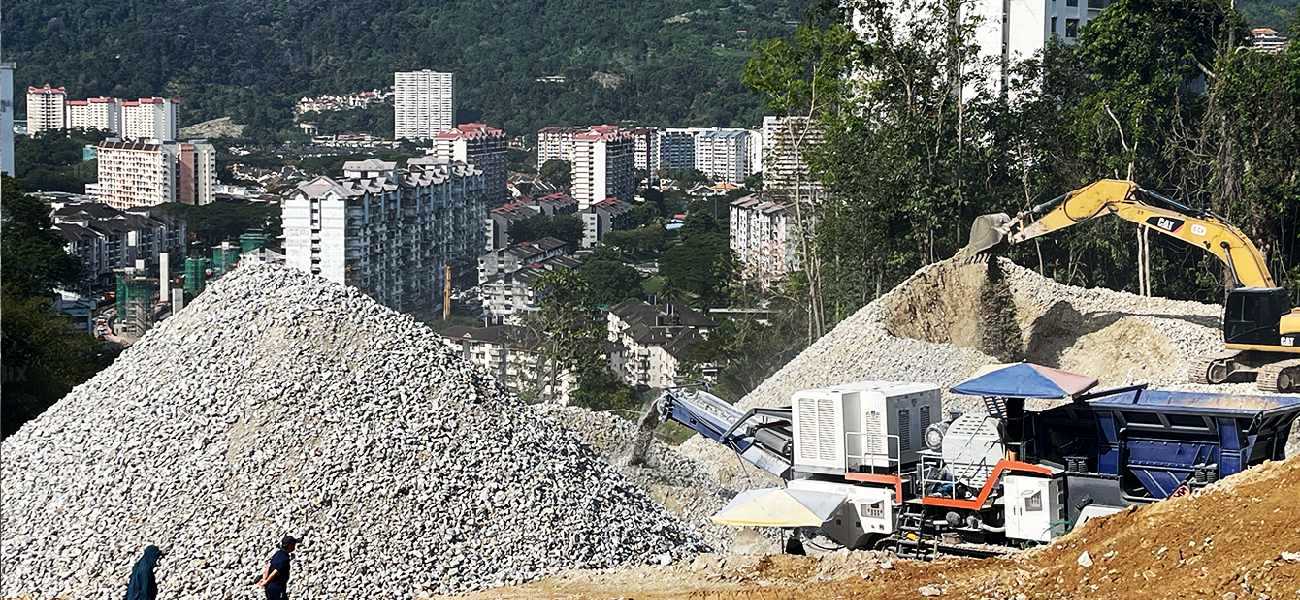
In many mining projects, especially those with changing extraction zones, mobile crusher plants provide significant advantages over traditional stationary systems. Mobile units can be relocated closer to the mining face, reducing hauling distances and transportation costs.
By processing material directly at the extraction site, mobile crusher plants decrease the need for heavy truck movements and improve overall material handling efficiency. This approach can be particularly beneficial in large open-pit mines where extraction areas frequently shift throughout the life of the project.
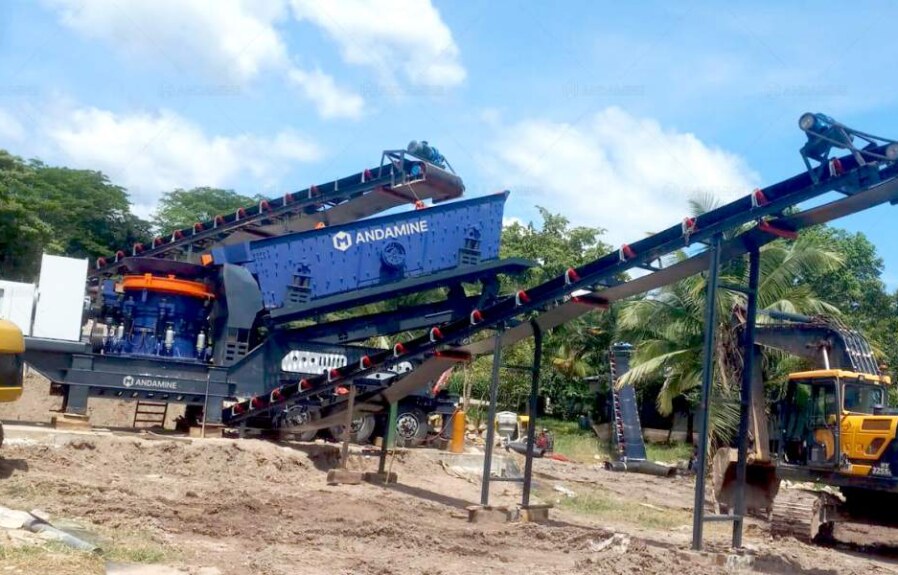
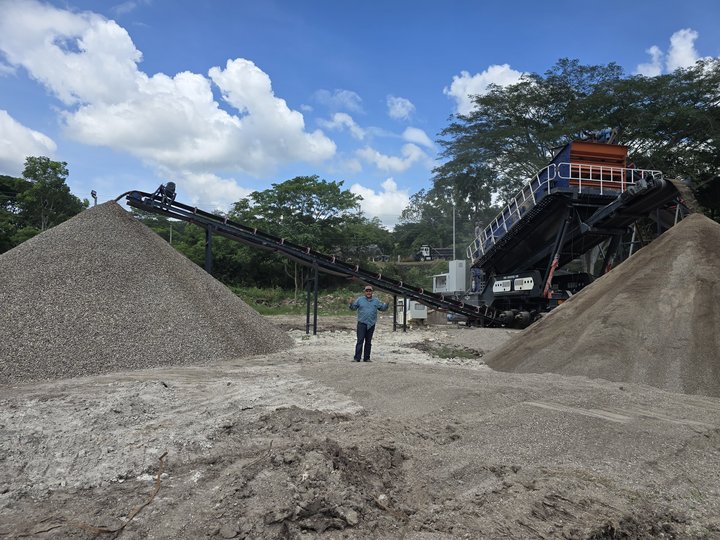
Modern mobile crusher plants often integrate feeding, crushing, screening, and conveying functions into a compact system. Their flexibility allows operators to adapt quickly to changing production demands while maintaining consistent output levels. For mining companies seeking operational agility and lower logistics costs, mobile crushing solutions can become an important component of an overall plant design strategy.
Focus on Maintenance Accessibility and Wear Management
Granite’s abrasive nature causes significant wear on crushing equipment. Therefore, maintenance planning should be incorporated into the plant design from the beginning rather than treated as an afterthought.
Easy access to critical components such as crusher liners, screen media, and conveyor belts can substantially reduce maintenance downtime. Adequate working space around equipment allows technicians to perform inspections and repairs safely and efficiently.
Wear management programs should include regular monitoring of liners, jaw plates, and other high-wear components. Predictive maintenance strategies help identify issues before they lead to unexpected failures, ensuring consistent production and reducing costly interruptions.
Investing in durable wear parts and maintaining an organized spare parts inventory can further improve plant availability and long-term profitability.
Integrate Automation and Smart Control Systems
Modern granite crusher plants increasingly rely on automation to maximize productivity. Automated control systems allow operators to monitor equipment performance in real time and adjust settings based on material characteristics and production targets.
Sensors installed throughout the plant can track crusher loads, conveyor speeds, material flow rates, and equipment health. This data enables operators to identify inefficiencies, optimize production parameters, and prevent potential equipment failures.
Advanced automation systems can also support remote monitoring and predictive maintenance programs. These technologies help reduce labor requirements, improve operational safety, and increase overall plant efficiency.
Conclusion
Designing a granite crusher plant for maximum mining output requires much more than selecting a few crushers and screens. Successful plant design begins with understanding the material, developing an efficient multi-stage crushing process, optimizing screening systems, and selecting equipment that matches production goals. Careful consideration of maintenance requirements, automation technologies, and operational flexibility further enhances long-term performance. In addition, integrating mobile crusher plants into suitable mining applications can significantly improve material handling efficiency and reduce transportation costs. By focusing on these key design principles, mining operators can build a granite crusher plant that delivers high productivity, consistent product quality, and sustainable profitability throughout the life of the mine.