Gravel represents a highly valuable aggregate for roads, concrete, and diverse civil infrastructure works globally. Producing high-quality aggregate requires a well-planned processing strategy on your job site. Therefore, contractors must analyze raw rock hardness and overall operational workflows carefully. This technical guide outlines the essential factors for establishing a highly productive crushing plant. Consequently, these practical details will help you select the most efficient equipment configurations.
Understanding the Properties of Natural Gravel
Processing natural gravel introduces unique mechanical challenges compared to standard blasted quarry stones. Specifically, river gravel deposits usually feature highly rounded surfaces from natural water erosion. Because of these rounded shapes, stones tend to slip inside standard chambers instead of breaking easily. Therefore, operators must apply specific physical forces to fracture these slippery raw materials successfully. We will now explore the specific mineral properties that impact your daily production rates.
Mitigating Abrasive Silica Wear
Natural gravel deposits often contain high percentages of silica and other extremely hard minerals. These hard minerals wear down mechanical steel components much faster than soft limestone. Consequently, standard impact blow bars can degrade within a few hours of active operation. To counter this rapid wear, managers must choose compressive methods for the primary reduction stage. Compressive force fractures tough stone along natural cleavage lines without causing high mechanical wear. Thus, selecting correct wear liners remains critical for lowering your daily operating costs.
Configuring a High-Efficiency Crushing Plant
Choosing the correct reduction machinery depends heavily on your daily volumetric aggregate targets. Most successful processing setups utilize a multi-stage layout to achieve precise final sizes. Thus, connecting different machines ensures a smooth material flow through the entire system. We will analyze the primary machine choices required for this highly demanding processing job.
Selecting Your Primary Gravel Crusher
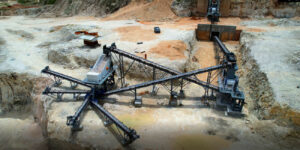
For the first reduction stage, a heavy-duty jaw crusher is highly effective. Specifically, buying a dedicated gravel crusher ensures your system handles tough quartz slabs without stalling. This robust unit reduces large river boulders into manageable, mid-sized stones. Additionally, the wide intake opening prevents large rock slabs from blocking the feed hopper. Therefore, you maintain a continuous flow of aggregate into the secondary stage.
Deploying the Secondary Cone Crusher
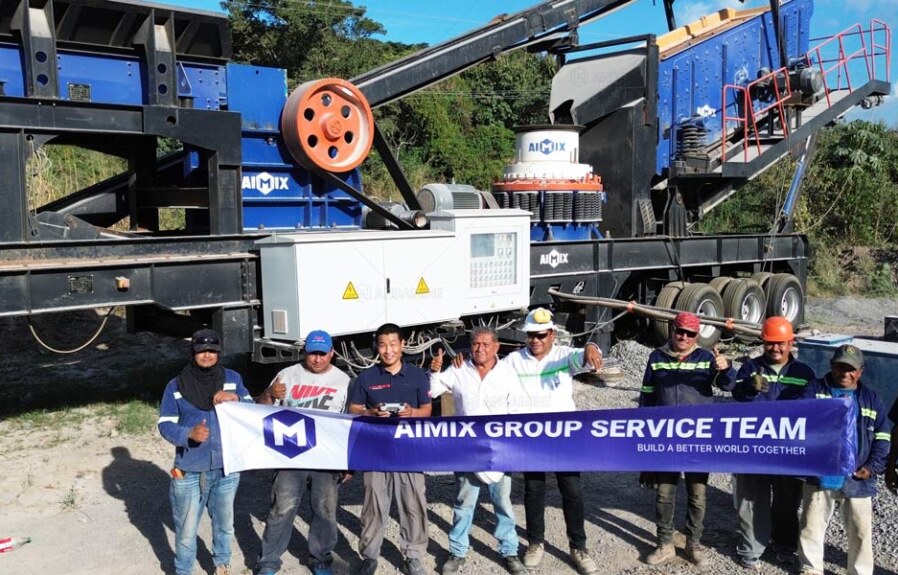
In the secondary stage, operators typically deploy a high-performance cone crushing unit. Cone systems compress the stones between a spinning mantle and a fixed bowl liner. Consequently, this method consumes less power per ton compared to impact-based systems. It also produces highly consistent, cubical aggregate for high-strength concrete mixes. Furthermore, modern cone units allow operators to adjust the discharge settings hydraulically. Thus, you can alter the final aggregate sizes quickly to meet changing client specs.
Optimizing Your Plant Layout and Sorting Systems
An efficient layout connects your feeding, crushing, and screening systems into a continuous loop. Any breakdown in this mechanical connection can halt your entire production schedule instantly. Therefore, designing a well-balanced crushing plant layout remains vital for long-term project success.
Utilizing Vibrating Grizzly Feeders
First, you should position a vibrating grizzly feeder at the beginning of your line. This feeder removes fine dirt and sand before they enter the primary crushing chamber. Consequently, only large, clean rocks reach the main crusher plates. This pre-screening step reduces unnecessary mechanical wear and saves valuable fuel. Ultimately, clean aggregate input improves the overall purity of your final products.
Integrating High-Capacity Screening Decks
Second, connect your secondary crusher to a high-capacity vibrating screening deck. This deck separates the finished aggregates and routes oversized materials back for re-crushing. This closed-circuit layout guarantees that all final products meet strict engineering dimensions. Moreover, multi-deck screens allow you to sort several product sizes at the same time. Consequently, you can supply multiple road construction projects from a single facility.
Daily Upkeep Protocols for High-Volume Production
Abrasive aggregates put extreme physical stress on every moving component of your equipment. Therefore, establishing a strict daily maintenance checklist protects your capital investment from premature failure. Consistent preventative habits keep your equipment running smoothly and lower your total operating costs.
First, clean all conveyor belts and check their tension every single morning. Slapping belts can slip under heavy aggregate loads and cause motor overheating. Second, inspect the primary wear plates and chamber liners for deep physical grooves. Replace these parts before they wear down to the main frame. Additionally, grease the main eccentric shaft and support bearings before starting your shift. Proper lubrication reduces high friction and prevents expensive bearing seizures.
Safety Measures and Environmental Compliance
Industrial aggregate processing produces significant noise and airborne dust on the job site. Consequently, operators must implement active safety measures to protect workers and nearby communities. Managing these environmental impacts also prevents costly regulatory penalties from local agencies.
First, install high-pressure water spray nozzles at the main discharge conveyor belts. These nozzles bind fine silica particles before they can float into the air. Additionally, ensure that all ground crew members wear proper dust masks and ear protection. Safe work sites protect your team and maintain high daily productivity.
Strategic Sourcing and Procurement Sizing
In summary, designing a successful gravel processing line requires a thorough analysis of stone hardness. Selecting a durable gravel crusher protects your project timeline from unexpected mechanical breakdowns. Furthermore, a well-planned crushing plant ensures high-quality aggregate production on every single shift.
Always partner with reputable machinery suppliers who maintain local spare parts inventories. Having replacement parts nearby prevents weeks of costly shipping delays if a component fails. This strategic procurement approach secures your business’s profit margins over many years of operation.