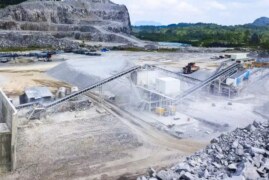
Indonesia experiences rapid growth across its infrastructure and mining sectors. Consequently, quarry operators need versatile machinery to process hard rocks like andesite and basalt.
Choosing appropriate machinery helps contractors reduce haulage costs and maintain steady daily output. This guide explains key operational factors when selecting a mobile crusher in Indonesia.
Market Demand for Mobile Crushers in Indonesia
Indonesia spans thousands of islands with diverse geological terrain. Transporting heavy stationary equipment between island sites creates huge logistical delays.
Therefore, contractors prefer mobile machines for fast deployment and easy relocation. In addition, frequent tropical rainstorms create muddy working conditions in quarry pits.
Mobile crushing units navigate slippery tracks efficiently without getting stuck in soft soil. Consequently, investing in a reliable mobile crusher indonesia helps contractors keep projects on schedule.
Primary Reduction with a Track Jaw Crusher
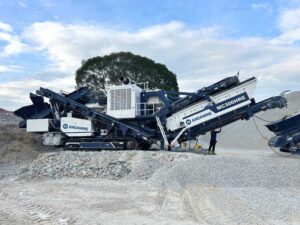
Hard volcanic rock requires a heavy-duty primary machine to break down large boulders. A track jaw crusher provides strong crushing force for tough feeding materials.
First, heavy hydraulic tracks allow the machine to climb steep quarry slopes easily. This mobility cuts down on expensive haul truck transport inside the pit.
Second, the open jaw design handles wet, sticky feed rock without clogging frequently. Operators adjust the discharge setting quickly to match downstream processing needs.
As a result, a track jaw crusher delivers steady primary production during heavy rain seasons. Furthermore, simple mechanical components ensure easy daily maintenance for field crews.
Handling Specific Indonesian Rock Types and Nickel Ore
Indonesian quarries contain hard, highly abrasive stone types such as basalt, granite, and volcanic ash. Crushing these materials causes heavy surface wear on standard mechanical parts.
In addition, nickel mining operations in Sulawesi require processing tough overburden rock before reaching ore deposits. A rugged primary crusher processes hard rock efficiently without frequent mechanical breakdowns.
Furthermore, high moisture in clay-rich soil causes fine material to stick to hopper walls. Selecting machines with active vibrating grizzlies separates muddy fines before they enter the jaw chamber.
Consequently, pre-screening improves material flow and extends the lifespan of internal wear liners. Proper rock processing ensures consistent aggregate quality for road base and concrete projects.
Managing Island Logistics and Installation
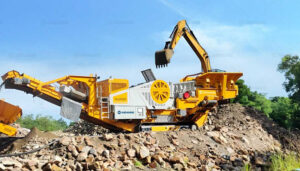
Transporting heavy machinery between islands requires careful planning and compact equipment designs. Standard stationary plants require thick concrete foundations and weeks of installation time.
In contrast, track-mounted units travel easily on standard low-bed trailers. Operators unload and start processing rock within a few hours of arrival on site.
Additionally, high humidity and tropical heat accelerate wear on electrical systems and radiators. Therefore, operators must select machines with heavy-duty dust filters and tropical cooling packages.
Furthermore, securing reliable spare parts access remains critical for remote mining sites in Kalimantan or Maluku. Purchasing from established regional suppliers prevents long delays for replacement wear liners and hydraulic hoses.
Key Operational Factors Before Purchasing
Before buying crushing machinery, contractors must evaluate site access and daily production goals. Purchasing decisions should focus on long-term operating costs rather than initial purchase price.
First, check engine power and fuel efficiency ratings carefully. Diesel engines with low fuel consumption reduce daily operating expenses in remote locations.
Second, inspect chassis frame strength and track undercarriage durability. Heavy steel frames withstand continuous stress from moving across rough volcanic terrain.
Third, evaluate automated hydraulic controls and safety emergency stops. Modern controls allow operators to adjust crusher settings safely from inside the excavator cabin.
Finally, verify the availability of local field service technicians in major hubs like Jakarta, Surabaya, or Balikpapan. Fast technical support keeps your crushing plant running continuously throughout the year.
Conclusion
Selecting the right crushing machinery improves daily output and lowers maintenance costs on Indonesian job sites. Mobile units offer great operational flexibility for island logistics and challenging weather.
Moreover, deploying a durable track jaw crusher ensures steady aggregate production in hard rock quarries. Plan your equipment investment carefully to build a productive mining operation in Indonesia.