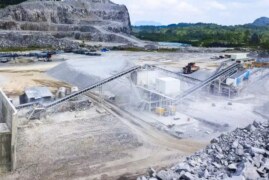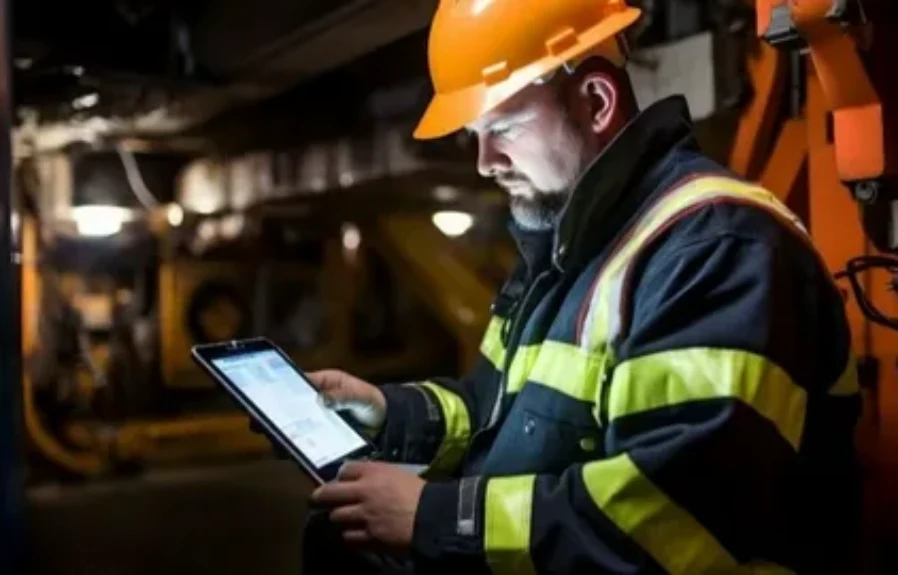
The mining industry operates in some of the most challenging environments in the world. From underground tunnels and remote extraction sites to large-scale processing facilities, maintaining safety and operational control is a constant priority. As mining companies adopt more advanced technologies, workforce security has become an essential part of modern site management.
Traditional methods such as manual logbooks, paper ID cards, and shared access credentials are no longer sufficient for large mining operations. Companies need reliable systems that can accurately verify personnel, restrict unauthorized access, and support safety compliance. This is where biometric authentication is becoming increasingly valuable.
The Need for Stronger Workforce Security
Mining sites often involve hundreds or even thousands of workers, contractors, engineers, and visitors. Managing who enters specific areas is critical for both security and safety. Unauthorized access can expose individuals to hazardous conditions and create significant operational risks.
Modern workforce security strategies focus on:
- Verifying worker identity
- Controlling access to restricted zones
- Tracking attendance and shift movements
- Improving emergency response coordination
- Reducing fraud and credential sharing
By implementing stronger verification processes, mining companies can create a safer and more accountable working environment.
How Biometric Authentication Supports Mining Operations
Biometric authentication uses unique physical characteristics such as fingerprints, facial features, or palm patterns to verify identity. Unlike traditional access cards, biometric data cannot be easily shared, lost, or duplicated.
In a mining environment, this technology can be integrated into:
Site Entry Gates
Workers can be authenticated before entering operational areas, ensuring that only authorized personnel gain access.
Equipment Access
Heavy machinery and specialized equipment can be restricted to trained operators, reducing the likelihood of accidents.
Restricted Safety Zones
Areas containing hazardous materials or sensitive infrastructure can require biometric verification before entry.
Shift and Attendance Tracking
Automated check-in and check-out records provide accurate workforce data without relying on manual reporting.
Benefits Beyond Security
While security is the primary objective, biometric systems also deliver operational advantages.
Operational Efficiency
Faster access
Automated identity verification speeds up entry procedures, reducing delays during shift changes.
Improved Compliance
Audit-ready
Digital access records help demonstrate compliance with safety regulations and workforce management policies.
Reduced Administrative Work
Less paperwork
HR and site management teams spend less time handling paper records and investigating attendance discrepancies.
Better Emergency Management
Real-time visibility
Real-time knowledge of who is on-site can significantly improve evacuation and emergency response efforts.
Applications in Construction and Industrial Projects
The same security challenges faced by mining companies also exist in large construction and industrial projects. Multiple contractors, temporary workers, and changing site conditions make access management complex.
By using biometric authentication, project managers can ensure that only approved personnel enter active work zones. This helps maintain safety standards while providing accurate records of workforce activity across the project lifecycle.
Challenges to Consider
Successful implementation requires careful planning. Mining companies should evaluate:
- Environmental conditions such as dust, moisture, and extreme temperatures
- Integration with existing security infrastructure
- Data privacy and regulatory requirements
- Employee training and system adoption
- Maintenance and technical support needs
Choosing rugged industrial-grade hardware is especially important for remote mining locations where equipment must withstand harsh operating conditions.
The Future of Workforce Security
As mining operations become more connected through digital transformation initiatives, identity verification will play an even larger role in site management. Advanced security systems are increasingly being integrated with workforce analytics, equipment monitoring, and safety management platforms.
These connected systems allow mining companies to gain better visibility into workforce movements, improve operational coordination, and strengthen overall site security.
Conclusion
Modern mining operations require more than physical barriers and ID cards to protect workers and critical infrastructure. Effective workforce security depends on accurate identity verification, controlled access, and reliable operational data.
Biometric authentication provides a practical solution that helps mining companies enhance safety, reduce unauthorized access, improve compliance, and streamline workforce management. As the industry continues to adopt smarter technologies, secure identity management will remain a key component of safer and more efficient mining operations.