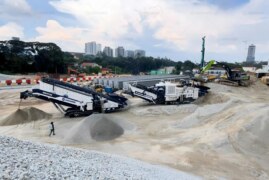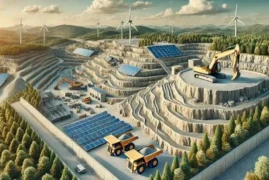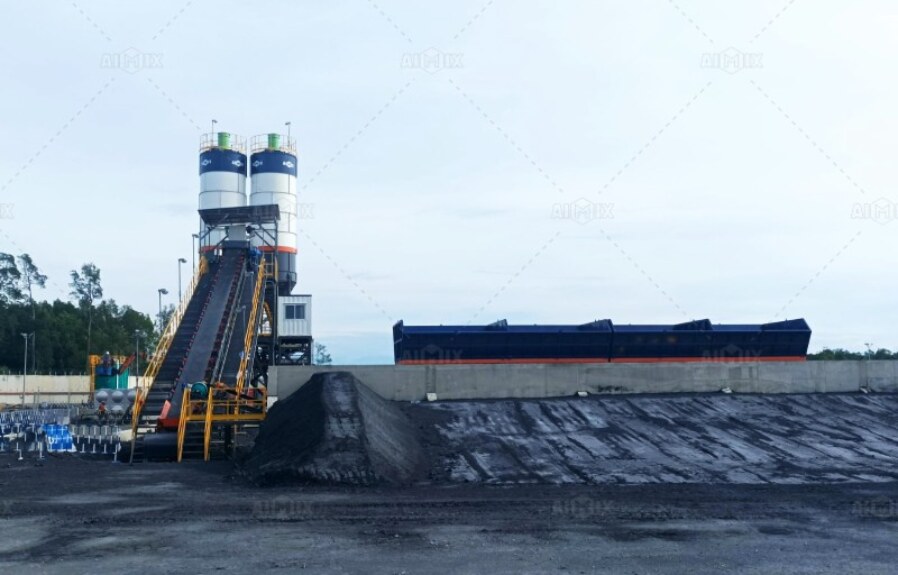
Australia’s mining industry depends on extensive haul roads to connect pits, processing facilities, stockpiles, workshops, and other infrastructure. While many haul roads use compacted aggregates, concrete is also required for bridges, drainage structures, culverts, intersections, equipment foundations, barriers, and other supporting infrastructure. Choosing the right concrete batching plant for sale Australia can help mining contractors produce concrete close to the worksite, reduce dependence on long-distance ready-mix delivery, and maintain a more predictable supply during mine development.
Why Concrete Supply Matters in Mine Haul Road Development
Haul roads are often located far from established cities and commercial concrete suppliers. A mine may require concrete at multiple stages, including road drainage, bridge construction, culverts, retaining structures, concrete pavements, and foundations for associated equipment.
Relying entirely on ready-mix trucks can become difficult when the distance between the commercial batching plant and mine site is significant. Long transportation distances increase delivery time and make concrete scheduling more sensitive to road conditions, traffic, and weather.
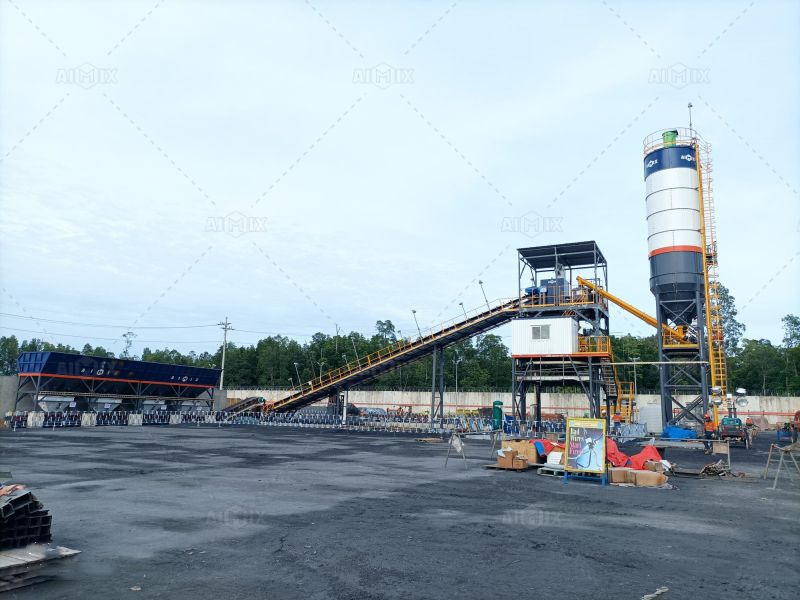
An on-site batching plant provides a different approach. Aggregates, cement, water, and admixtures can be stored at the mine and processed according to the required mix design. This gives the project team greater control over when and where concrete is produced.
How On-Site Production Supports Remote Haul Road Projects
A batching plant located near the mining operation can reduce the distance between concrete production and the point of use. This is particularly valuable when construction activities are spread across a large mining area.
Instead of coordinating every concrete pour with an external supplier, contractors can schedule production according to actual site requirements. Concrete can be produced when drainage structures, culverts, bridges, or foundations are ready for construction.
This flexibility can also reduce the risk of delivery interruptions. If the mine site has difficult access or long internal haul routes, producing concrete closer to the work area can make the overall supply chain easier to manage.
Choosing the Right Plant Capacity
The appropriate capacity depends on the scale and construction schedule of the mining project. A small road improvement project may only require a relatively low-output plant, while major mine development can involve simultaneous work on roads, bridges, drainage, workshops, and processing facilities.
Buyers should estimate peak concrete demand rather than selecting capacity based only on average daily consumption. For example, several structures may require concrete during the same construction period, creating short-term peaks in demand.
At the same time, excessive capacity can increase the initial investment without providing a corresponding benefit. The goal is to select a plant that can meet peak requirements while maintaining a reasonable utilization rate throughout the project.
Mobile vs Stationary Plants for Mining Roads
The choice between a mobile and stationary batching plant is especially important for haul road projects because mine development locations can change over time.
A stationary plant can be suitable when a central location will serve the mine for several years. It can provide high-volume production and establish a stable concrete supply base for permanent infrastructure.
A mobile batching plant may be more appropriate when road construction moves progressively through different areas. The equipment can be relocated as the project develops, reducing the need to transport fresh concrete over long internal distances.
For contractors working on several mining projects, portability can also increase equipment utilization because the same plant may be deployed at different sites after completing one project.
How Plant Location Affects Concrete Delivery
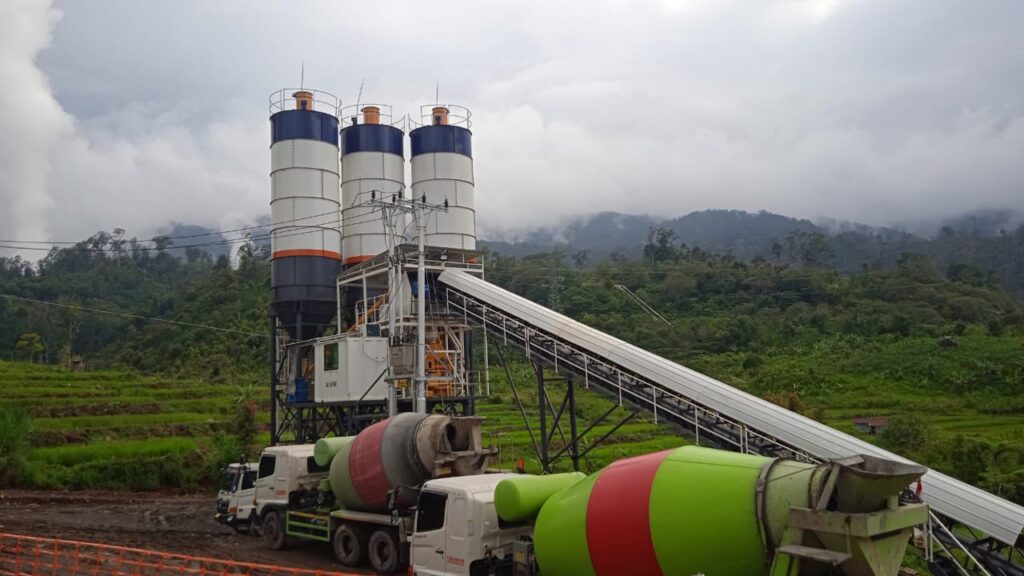
Even with an on-site batching plant, location planning is important. The plant should be positioned close enough to major construction areas to minimize internal concrete transportation while still providing sufficient space for aggregate storage, cement silos, truck movement, and future expansion.
The plant should also have reliable access to power, water, and raw materials. Drainage and ground conditions need to be considered because Australian mining sites can experience challenging weather and operating environments.
A central location may provide the best overall balance when concrete is required across multiple areas. For projects with rapidly changing work fronts, a mobile plant may provide greater flexibility.
Reducing Dependence on Long-Distance Ready-Mix Delivery
One of the main advantages of on-site concrete production is the ability to reduce reliance on external ready-mix suppliers.
Long-distance delivery can involve more than transportation charges. The project may also face minimum order requirements, truck availability constraints, delivery scheduling problems, and the risk of delays affecting concrete placement.
An on-site batching plant gives the contractor greater control over production timing. This does not necessarily eliminate all external concrete supply, but it can provide a reliable production base for the volumes and applications that are most difficult to serve through conventional delivery.
Considering the Total Investment
When evaluating a concrete batching plant for sale Australia, the equipment price should be considered together with transportation, installation, site preparation, power requirements, labor, maintenance, and operating costs.
For remote mining projects, logistics can represent a significant part of the overall investment. A plant that is easier to transport and install may offer better value even if its initial purchase price is not the lowest.
Contractors should also estimate the total volume of concrete expected during the project. A plant producing hundreds of thousands of cubic meters over several years can distribute its initial investment across a much larger production volume.
Can a Concrete Batch Plant Become a Business Opportunity?
Mining development in Australia can create opportunities not only for mine owners but also for specialized contractors and equipment operators. Companies that regularly provide infrastructure services to mining projects may consider establishing their own concrete production capability.
For such companies, purchasing equipment can be evaluated as a long-term asset rather than a single-project expense. A concrete batch plant business for sale may also attract buyers looking for an existing operation with equipment, established customers, and production facilities rather than starting from scratch.
However, the business potential depends on factors such as local mining activity, expected concrete demand, plant utilization, transport distances, operating costs, and the ability to secure long-term contracts. A detailed market and financial assessment should therefore be completed before making the investment.
Planning for Australia’s Mining Environment
Mining sites can operate under demanding conditions, including high temperatures, dust, long working hours, and remote locations. A batching plant should therefore be selected with durability and maintainability in mind.
Reliable weighing systems, robust mixers, accessible maintenance points, suitable dust-control measures, and readily available spare parts can all contribute to stable operation. Automation can also help operators maintain consistent batching accuracy while reducing unnecessary manual intervention.
For remote mines, after-sales support is particularly important. Technical assistance and spare-parts availability can reduce the potential impact of equipment downtime.
Conclusion
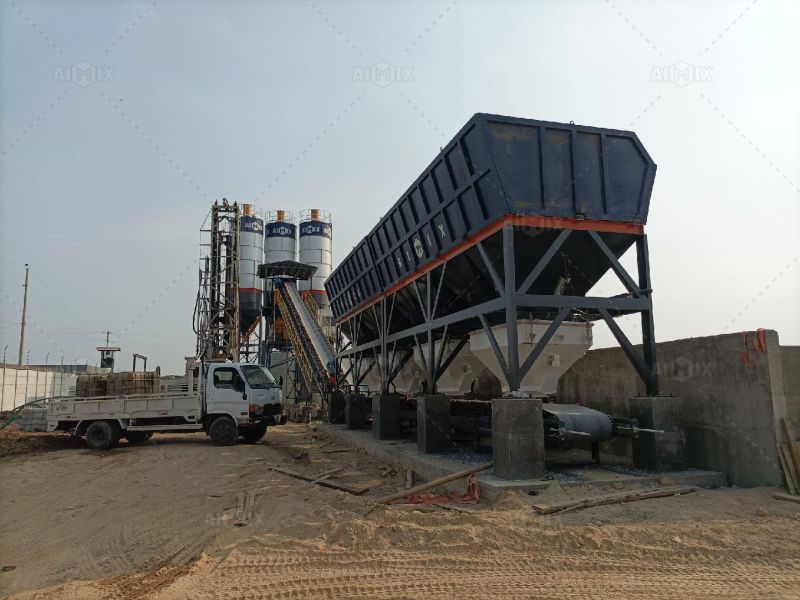
A well-selected concrete batching plant for sale Australia can become an important part of mine haul road development by bringing concrete production closer to remote construction areas. The right plant can improve scheduling flexibility, reduce dependence on long-distance ready-mix delivery, and support the construction of drainage, bridges, foundations, barriers, and other mine infrastructure. For mining contractors, the decision should be based on more than plant capacity or purchase price. Project duration, haul road development stages, plant mobility, expected concrete volume, site logistics, and long-term utilization should all be considered. For companies serving multiple mining projects, the investment may even support a broader concrete batch plant business for sale or rental strategy, turning concrete production equipment into a reusable long-term business asset.